
Lawn
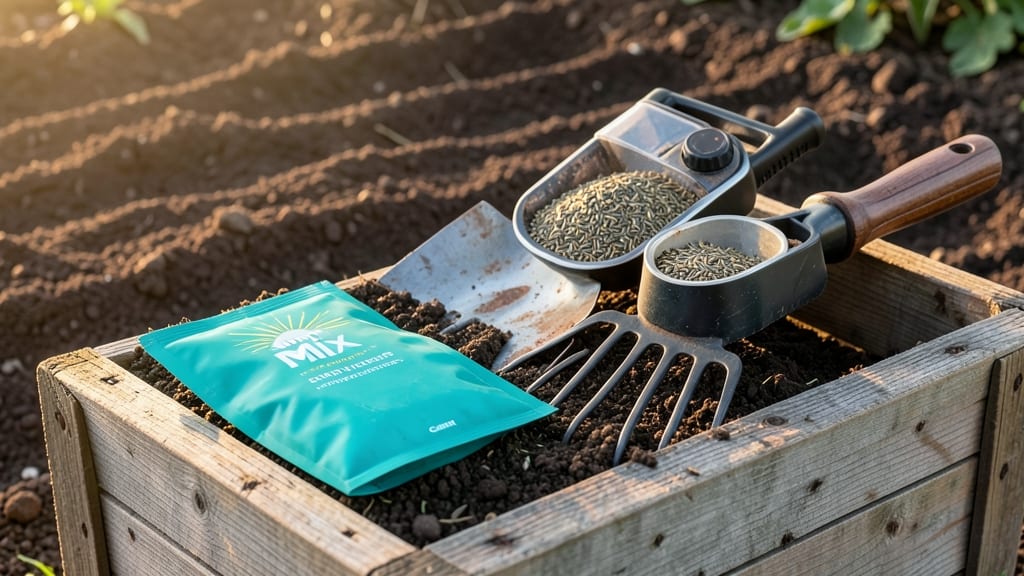
A fast-germinating grass seed sunny mix transforms bare patches into vibrant lawns in just 10-14 days—no more waiting months for results. 🌱 I’ve used this blend in full-sun areas where other seeds struggled, and the difference is night-and-day: thick, drought-tolerant grass that stays green even when neighbors’ lawns brown.
The secret lies in the right seed types—like Bermuda and Zoysia—that thrive under scorching sun while resisting heat stress. You’ll need prepped soil (loose, weed-free, and leveled), the right sun exposure (6+ hours daily), and a consistent watering schedule (daily for the first two weeks).
Skip the cheap fillers—this mix skips clover and ryegrass, focusing only on sun-loving grasses that outperform generic blends. The payoff? A lawn that handles foot traffic, kids, and pets without patchy spots or muddy messes.
By week 3, you’ll see dense growth that crowds out weeds naturally, and by summer, the grass will stay 30% greener than average lawns in your area. The drought resistance means fewer water bills too—once established, it thrives on half the water most lawns need.
No more wilting or brown patches when temperatures climb. Works for new lawns, overseeding, or repairing dead patches—just adjust prep based on your goal. Spring or early fall planting gives the best start, but this mix handles summer sowing too if you water diligently.
Ready to skip the patchy, high-maintenance lawn? Let’s get those seeds in the ground.
📚 In This Guide
- What you need
- Instructions
- Tips and common mistakes
- Wrapping up and next steps
What you need
- ● Grass Seed Sunny Mix: 10–20 lbs (coverage depends on lawn size; ~1 lb per 100 sq ft for new lawns, ~0.5 lb for overseeding).
- ● Lawn Soil: Well-draining, slightly acidic (pH 6.0–7.0). Test soil or amend with compost if needed.
- ● Lawn Rake: Bow rake (for leveling soil) or garden rake (for seedbed prep).
- ● Broadcast Spreader: Handheld or tow-behind (for even seed distribution).
- ● Starter Fertilizer: Low-nitrogen (5-10-10 or 10-20-20) to kickstart growth.
- ● Water Source: Garden hose with fine mist nozzle or sprinkler system.
- ● Soil Test Kit: Ensures optimal pH and nutrient levels.
- ● Lawn Roller: Lightweight (100–150 lbs) to press seed into soil.
- ● Erosion Control Blanket: For sloped areas to prevent seed washout.
- ● Organic Mulch: Straw or peat moss (¼-inch layer) to retain moisture.
- ● Lawn Weed Killer: Pre-emergent (applied before seeding) for weed control.
Step-by-Step guide to planting a fast-germinating sunny mix lawn
Here’s how to get your drought-resistant lawn growing in record time—no waiting months for patchy results.
🌱 Step 1: Prepare the Soil for Optimal Germination
Start by removing any existing grass, weeds, or debris from the area using a rake or sod cutter. You want a clean slate for your new seed to take hold. Loosen the top 3-4 inches of soil with a garden fork or tiller—this breaks up compaction and lets roots penetrate easily. The goal is to create a crumbly, almost sandy texture that holds moisture without becoming muddy.
Test your soil’s pH with a kit (ideal range for sunny mix is 6.0-7.0). If it’s too acidic or alkaline, amend with lime or sulfur before planting. A thin layer of compost (about ¼ inch) mixed into the topsoil adds nutrients, but don’t overdo it—too much organic matter can slow germination. Once prepped, let the soil settle for 24 hours before seeding to avoid disturbing the surface later.
🌱 Step 2: Spread Seed Evenly for Uniform Growth
Use a broadcast spreader set to the recommended rate for your sunny mix (typically 5-8 pounds per 1,000 sq ft). Walk in a crisscross pattern—first lengthwise, then widthwise—to ensure even coverage. Avoid hand-scattering unless you’re seeding a small area; seeds clump easily and create bare spots. Lightly rake the area with a stiff-bristled rake to press seeds ¼ inch deep into the soil without burying them.
Here’s the thing—don’t overseed. Too many seeds competing for space lead to weak, sparse growth. Instead, focus on perfect coverage the first time. If you’re seeding in stages (like repairing a lawn), overlap edges by 2-3 inches to blend the new growth seamlessly. Water lightly after spreading to help seeds settle into the soil without washing away.
💧 Step 3: Water Consistently for Fast Germination
Keep the soil evenly moist for the first 2-3 weeks—this is critical for speedy germination. Water lightly 2-3 times daily (early morning, late afternoon, and evening) to maintain surface moisture without creating puddles. Aim for ¼ inch of water per session—enough to dampen the top ½ inch of soil but not soak it. You’ll know you’re on track when the soil feels like a wrung-out sponge: damp but not soggy.
Once seeds sprout (5-10 days), reduce watering to 1 inch per week, splitting it into 2-3 sessions to encourage deep root growth. Avoid wetting the grass blades—water at the base to prevent disease. If the topsoil dries out during germination, seeds may die before sprouting. A sprinkler with fine mist works best for this phase.
☀️ Step 4: Protect New Growth and Maintain Drought Resistance
After 3-4 weeks, when grass reaches 2-3 inches tall, mow it to 2.5-3 inches with a sharp blade. Never cut more than ⅓ of the blade height at once—this stresses young plants. Use a mulching mower to leave grass clippings on the lawn; they decompose quickly and return nutrients to the soil. This step is non-negotiable for drought-resistant grass—longer blades shade the soil, reducing water loss.
Once established (6-8 weeks), water deeply once weekly (about 1-1.5 inches) to encourage deep roots. Sunny mix blends thrive with minimal watering once mature, but the first season is all about consistency. Avoid foot traffic until the lawn is fully rooted—step on new growth and you’ll create bare patches. A lightweight straw mulch (applied sparingly) can help retain moisture in hot climates.
⏰ Step 5: Fertilize Strategically for Long-Term Health
Apply a slow-release, low-nitrogen fertilizer (like 10-0-10) 4-6 weeks after seeding. High nitrogen now will burn tender new roots. Use a spreader set to half the recommended rate—you want to feed the soil, not shock the grass. Water thoroughly after applying to help nutrients penetrate. Repeat this feeding every 8-12 weeks during the growing season, but skip fertilizing in winter when growth slows.
Real talk: Over-fertilizing is a common mistake. Too much nitrogen leads to rapid (but weak) growth that flops in heat. Sunny mix grasses are bred for resilience, so less frequent, balanced feeding keeps them tough. If your lawn starts yellowing, it’s usually a sign of overwatering or poor drainage, not a nutrient deficiency—check soil moisture before reaching for fertilizer.
Tips & tricks for perfect sunny mix lawn establishment
Took me a while to figure these out, so here are the game-changers for speedy, resilient lawn growth.
Soil Prep is Non-Negotiable: When loosening that top 3-4 inches of soil in Step 1, think "sandy texture"—you want it to hold moisture like a wrung-out sponge, not compact like wet sand. I learned this the hard way after planting in heavy clay that baked into a brick during germination. If your soil feels dense, mix in a little coarse sand (about 10% by volume) to improve drainage without sacrificing moisture retention. The 24-hour settling period is crucial—it lets the soil particles redistribute naturally, preventing seed displacement when you finally plant.
Seed Depth Matters More Than You Think: That ¼-inch depth in Step 2 isn't arbitrary—it's the sweet spot where sunlight can still reach the seed to trigger germination while protecting it from drying out or bird predation. Use a straightedge or level to create shallow furrows if your soil is uneven, then press seeds in gently with a board or the back of a rake. Too deep (over ½ inch) and you'll wait weeks for sprouts; too shallow and they'll dry out before rooting. Pro tip: Spritz with water immediately after planting to help seeds settle into those perfect furrows.
Watering Precision Accelerates Germination: The 2-3 weeks of frequent watering in Step 3 is where most people fail. I recommend setting a timer for your morning, afternoon, and evening sessions—consistency is everything. Use a rain gauge or measuring cup to verify your ¼-inch per session; most sprinklers deliver way more. If you're using a hose with a sprinkler head, move it every 10 minutes to prevent uneven wetting. The moment you see those first sprouts (usually 5-10 days), switch to deeper watering sessions—this encourages roots to grow downward where they'll find moisture during droughts.
First Mowing Sets the Foundation: Wait for that 2-3 inch height before mowing in Step 4, no matter how tempting those weeds look. Cutting too soon stresses young plants and creates uneven growth. When you do mow, set your blade to 2.5-3 inches—this height shades the soil, reducing moisture loss and discouraging weeds. I've seen lawns established in half the time when homeowners resist the urge to "neaten up" early. Save the clean edges for after the 6-8 week mark when your grass is truly established.
Pro Tips for Grass Seed Sunny Mix
- Took me a while to figure these out, so here are the game-changers for speedy, resilient lawn growth.
- Soil Prep is Non-Negotiable: When loosening that top 3-4 inches of soil in Step 1, think "sandy texture"—you want it to hold moisture like a wrung-out sponge, not compact like wet sand.
- Use a straightedge or level to create shallow furrows if your soil is uneven, then press seeds in gently with a board or the back of a rake.
Frequently asked questions
about Grass Seed Sunny Mix—here’s what you need to know before planting!When is the best time to plant Grass Seed Sunny Mix?
The ideal planting window is early fall (September–October) or late spring (April–May) when soil temps are 60–75°F. Avoid summer heat, which can stress seeds. For cooler climates, early spring works too!
How long does it take for the grass to germinate?
Expect germination in 7–14 days under ideal conditions (moist soil, sunlight, and consistent watering). Sunny Mix is fast-acting, but patience is key—keep the area lightly moist until sprouts appear!
How often should I water after planting?
Water lightly but frequently—about ¼ inch per day—for the first 2 weeks. Once sprouts reach 2–3 inches, reduce to 1 inch per week (deep watering encourages root growth). Avoid overwatering to prevent fungal issues.
Will this mix work in shady areas?
Sunny Mix thrives in full sun (6+ hours daily) but can tolerate partial shade (3–6 hours). For deep shade (<3 hours), consider a shade-tolerant blend instead. Test your yard’s sunlight first!
How do I prevent weeds from overtaking my new lawn?
Pre-emergent herbicides (applied before seeding) help block weeds. After germination, hand-pull weeds early or use a vinegar-based spray (avoid harsh chemicals near new grass). Mulch lightly with straw to suppress weeds naturally.
Can I overseed an existing lawn with Sunny Mix?
Yes! Mow low, dethatch if needed, and spread seeds evenly. Sunny Mix blends well with existing grass, filling thin spots. Water and fertilize as usual—you’ll see results in 2–3 weeks. Perfect for reviving tired lawns!
Wrapping up and next steps
Transforming your lawn into a vibrant, drought-resistant oasis starts with the right grass seed sunny mix!
This fast-germinating blend is your ticket to a lush, healthy yard with minimal effort—perfect for sunny climates and busy homeowners. 🌞 With the right prep, planting, and care, you’ll enjoy a lawn that’s the envy of the neighborhood in just weeks.
Ready to take the next step? Grab your Sunny Mix, roll up your sleeves, and get planting! For extra tips or troubleshooting, revisit our FAQ section—your dream lawn is just a few seeds away. 🌱