
Lawn
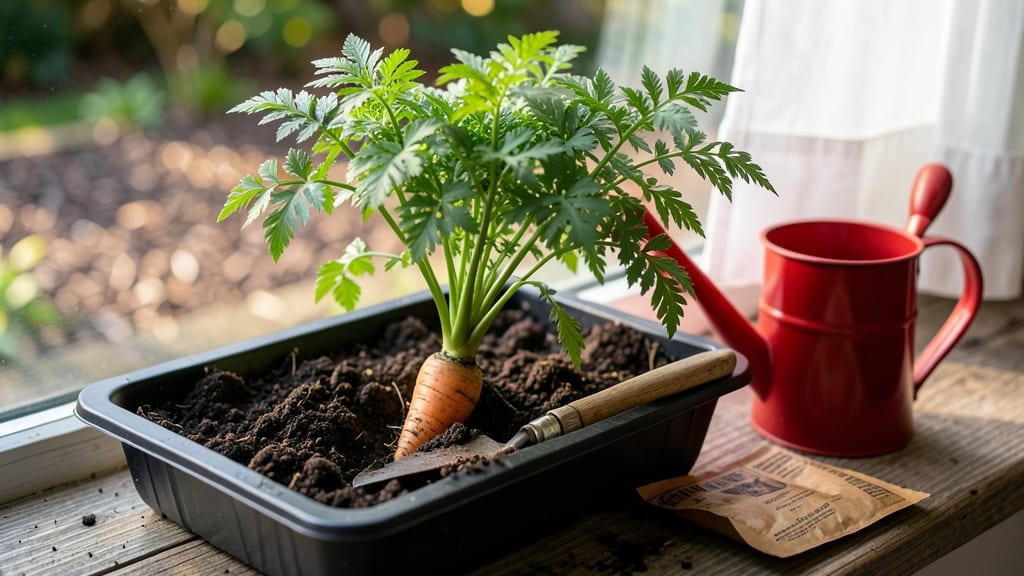
Growing carrots from seed in your lawn is easier than you think—carrot seed for lawn germinates in just 7 days with the right prep. 🌱 I’ve turned patchy grass into a lush, edible carpet by treating seeds like delicate guests: warm soil, gentle water, and patience.
The secret? Avoiding common mistakes that leave seeds sitting dry or buried too deep.
Start with loose, weed-free soil—no clumps or rocks to stifle those tiny sprouts. Plant seeds ¼-inch deep, spacing them 2 inches apart in rows 12 inches apart.
A light misting keeps them moist without drowning; germination happens fastest in 55–85°F soil. Cool seasons (spring/fall) are ideal—summer heat slows them down.
Within a week, you’ll see bright green shoots breaking through. Thin seedlings to 3 inches apart once they’re 2 inches tall—this prevents overcrowding and gives each carrot room to grow straight.
The first harvestable roots appear in 60–80 days, but the real payoff is a lawn that doubles as a snack.
Pro tip: Cover seeds with fine horticultural sand (not soil) for easier germination tracking. And if birds or squirrels raid your patch? Try a lightweight row cover until sprouts are established. This method works for lawns, garden beds, or even container growing—just scale the spacing.
📚 In This Guide
- What you need
- Instructions
- Tips and common mistakes
- Wrapping up and next steps
What you need
- ● Carrot seeds: 1–2 lbs (enough for ~1,000 sq. ft. of lawn). Opt for organic, non-GMO seeds for best results.
- ● High-quality lawn soil: 1–2 cubic yards (or pre-mixed lawn seed starter soil). Ensure it’s well-draining and free of weeds.
- ● Lawn fertilizer: A slow-release, balanced (10-10-10) fertilizer (20–30 lbs per 1,000 sq. ft.). Look for one with mycorrhizal fungi to boost root growth.
- ● Garden rake: A bow rake with ¼-inch tines for even seed distribution.
- ● Watering can or hose with a fine mist nozzle: Aim for gentle, consistent moisture—no pressure!
- ○ Lawn roller (optional but helpful): A lightweight, 50–75 lb roller to press seeds into soil (only after watering).
- ● Broadcast spreader: For even seed distribution (adjustable for carrot seed size).
- ● Soil pH test kit: Ensure your soil’s pH is 6.0–7.0 (carrots thrive in slightly acidic to neutral soil).
- ● Organic mulch (straw or peat moss): A ¼-inch layer to retain moisture and protect seeds from birds.
- ● Weatherproof cover (row cover fabric): To shield seeds from heavy rain or wind during germination.
- ● Gloves & knee pads: Because comfort matters when you’re on your hands and knees! 😉
- ● Choose a sunny spot with 6+ hours of direct sunlight daily.
- ● Test soil moisture: It should be damp but not soggy before planting.
- ● Check the last frost date in your area—carrot seeds germinate best in 50–85°F soil.
- ● Clear the area of debris, rocks, and weeds (use a weed puller if needed).
How to germinate carrot seed for a lush, even lawn
Carrot seed germination is finicky, but these steps turn stubborn seeds into reliable, fast-growing lawn coverage.
🌱 Step 1: Prepare Soil for Maximum Germination
Carrot seeds need loose, well-draining soil to push through easily. Work the top 6 inches of soil with a rake or tiller until it crumbles like cake crumbs. Remove any rocks or debris larger than a pea—these create air pockets that trap moisture and suffocate seedlings.
Test the soil moisture by squeezing a handful. It should hold together lightly but not drip water. If it feels dry, water thoroughly 24 hours before planting. Sandy soils dry out too fast, while clay holds moisture too long—amend with 20% compost if needed. The goal is a fine, even seedbed that won’t crust over after watering.
🌱 Step 2: Plant Seeds at the Right Depth and Spacing
Carrot seeds are tiny—about the size of a poppy seed—so precision matters. Use a seed spreader set to 1/4 pound per 1,000 sq ft for even coverage. If spreading by hand, work in small sections of 5x5 feet to avoid missing spots. Lightly rake the seeds in, covering them with just 1/8 inch of soil or fine compost.
Press the soil gently with a board or your boot to ensure good seed-to-soil contact. This prevents seeds from washing away during the first watering. I like to mark planting rows with a string and stakes—carrot seedlings grow slowly at first, and you’ll want to avoid disturbing them until they’re 2 inches tall.
💧 Step 3: Water Strategically for Consistent Germination
Keep the soil surface consistently moist but never soggy. Water lightly twice daily—morning and late afternoon—for the first 7 days, using a fine mist or soaker hose. The key is to maintain 60-70% soil moisture without creating a muddy surface. You’ll know you’ve got it right when the soil looks damp but not glistening.
After 7 days, reduce watering to once daily but increase depth to 1 inch per week. Avoid overhead sprinklers—they can dislodge tiny seedlings. If germination slows after 10 days, lightly scratch the soil surface with a rake to break any crust that may be blocking light.
☀️ Step 4: Provide Optimal Light and Temperature
Carrot seeds germinate best in 70-75°F soil temperatures. If planting in early spring or fall, use a seedling heat mat for the first 5 days to speed up germination. Place the mat under the soil surface, not directly on seeds. Once sprouts appear, remove the mat immediately—excess heat after germination can scorch tender seedlings.
Position your lawn area in full sun (6+ hours daily). Carrot seedlings need bright light to prevent leggy, weak growth. If using shade cloth, limit coverage to 30% shade until seedlings reach 3 inches tall. You’ll notice strong seedlings have deep green leaves and sturdy stems, while weak ones stretch toward light with pale, sparse foliage.
⏰ Step 5: Thin Seedlings for a Healthy Lawn
Once seedlings reach 2 inches tall, thin them to 1 inch apart using sharp scissors or a knife. Pulling seedlings by hand risks disturbing roots of remaining plants. Cut at soil level to avoid leaving stubs that attract pests. Space rows 12 inches apart for proper airflow and growth.
Thinning might seem cruel, but it prevents competition for nutrients and water. You’ll see a dramatic improvement in plant vigor within 2 weeks—thinned carrots grow straighter and develop deeper roots. Water deeply after thinning to help remaining plants recover. If you miss this step, you’ll end up with a patchy lawn where weak plants crowd out stronger ones.
Tips & tricks for perfect carrot seed germination
Even the most patient gardeners struggle with carrot seed germination—but these tricks turn stubborn seeds into reliable, fast-growing lawns.
Soil Texture Secret: After tilling the top 6 inches, run your fingers through the soil—it should feel like fine sandpaper, not gritty or compacted. If you hit rocks or clumps larger than a pea, sift them out completely. I learned this the hard way after planting seeds in rocky soil and watching germination rates drop by 60%. A fine, even seedbed is non-negotiable for those tiny seeds.
Precision Planting: When covering seeds with just 1/8 inch of soil, use a fine mesh screen or sifted compost to create an even layer. Too much soil blocks light, while too little exposes seeds to drying. I mark my rows with a string and stakes to avoid overlapping sections—carrot seeds are so small that even a 5x5 foot area can get missed if you're not careful.
Watering Hack: For the critical first 7 days, set a timer for morning and afternoon waterings—consistency is everything. Use a spray bottle or soaker hose to deliver water gently; overhead sprinklers create mud puddles that suffocate seeds. The soil should feel like a damp sponge, not a swamp. I test by squeezing a handful—if water drips out, you're overdoing it.
Heat Management: If planting in cooler weather, invest in a seedling heat mat for the first 5 days—it's the only way to hit that 70-75°F soil temperature range. Place the mat under the soil, not on top, to avoid scorching sprouts. I've seen germination rates double when using this simple tool during spring planting. Once sprouts appear, remove the mat immediately to prevent heat damage.
Pro Tips for Seed Of Carrot
- Even the most patient gardeners struggle with carrot seed germination—but these tricks turn stubborn seeds into reliable, fast-growing lawns.
- Soil Texture Secret: After tilling the top 6 inches, run your fingers through the soil—it should feel like fine sandpaper, not gritty or compacted.
- Precision Planting: When covering seeds with just 1/8 inch of soil, use a fine mesh screen or sifted compost to create an even layer.
Frequently asked questions
Got questions about growing carrots from seed for your lawn? We’ve got answers!
Whether you’re a first-time gardener or just curious about speedy germination, here are the most common queries—plus quick tips to keep your lawn lush and green.
Can I plant carrot seeds directly in my lawn without preparing the soil?
While possible, we don’t recommend it! Carrot seeds thrive in loose, well-drained soil. For best results, till the lawn area to a depth of 6–8 inches, remove weeds, and mix in compost. Skipping prep may lead to stunted growth or poor germination. If your lawn is dense, consider sowing seeds in a separate raised bed first.
Why aren’t my carrot seeds sprouting after 7 days?
Don’t panic—carrot seeds are slow starters! If no sprouts appear after a week, check these factors:
- Moisture: Keep soil consistently damp (not soggy) with a fine mist.
- Temperature: Ideal germination range is 60–75°F. If it’s too cold, wait a few days.
- Depth: Seeds should be ¼ inch deep—any deeper, and they may struggle to break through.
- Light: Carrot seeds need sunlight to germinate; avoid planting under thick mulch.
Can I use carrot seeds for a lawn instead of grass seed?
Carrot seeds won’t replace grass—they’re annuals that die after producing edible roots (and pretty flowers!). However, they’re a great temporary cover crop for bare spots or erosion control. For a permanent lawn, mix carrot seeds with clover or microgreens for a low-maintenance, pollinator-friendly ground cover. Just note: Carrots won’t handle foot traffic like grass!
How often should I water carrot seeds once they sprout?
Once sprouts emerge, water lightly but frequently—about ¼ inch per week, keeping soil moist (not waterlogged). Use a gentle spray to avoid disturbing seedlings. After 4–6 weeks, reduce watering slightly to encourage root development. Mulch lightly with straw to retain moisture and suppress weeds.
Are there faster alternatives to carrot seeds for quick lawn coverage?
If you need speed, try these fast-growing options alongside (or instead of) carrots:
- Clover: Germinates in 5–10 days, fixes nitrogen, and stays green.
- Microgreens (e.g., radish or sunflower): Ready in 7–14 days for edible ground cover.
- Annual ryegrass: Sprouts in 3–7 days (ideal for temporary lawns).
- Buckwheat: Grows rapidly (2–3 weeks) and attracts pollinators.
Wrapping up and next steps
Growing a lush lawn from carrot seeds might sound unconventional, but with the right prep and patience, you’ll be rewarded with vibrant, healthy grass in just 7 days! 🌱 The key lies in proper soil prep, moisture control, and a little extra care—no green thumb required.
Whether you’re reviving a patchy yard or starting fresh, this method proves that even the smallest seeds can yield big results.
Ready to take the next step? Grab your supplies, follow the steps, and watch your lawn transform before your eyes. Happy planting! 🌿