
Lawn
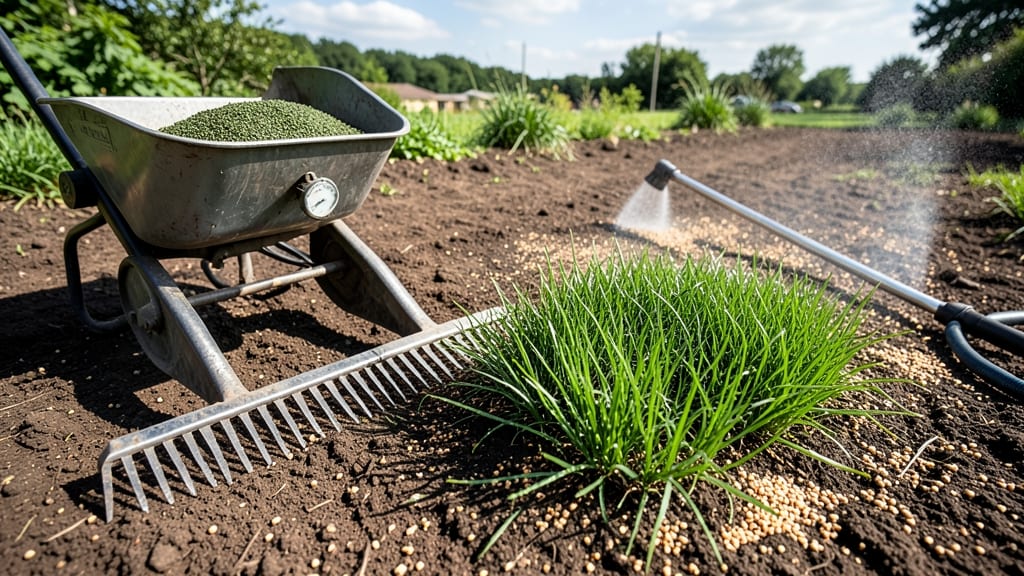
Seeding a new lawn in fall gives cool-season grasses the perfect head start—thicker roots, fewer weeds, and greener results by next spring. 🌱 I’ve seen firsthand how fall planting transforms bare patches into lush carpets, even in hot summers.
The secret? Cooler air and warm soil create ideal conditions for seed germination and root growth.
You’ll need basic supplies: a rake, lawn seed (choose tall fescue or Kentucky bluegrass for durability), starter fertilizer, and a watering schedule. Skip the spring rush—fall lets seeds establish without competing with summer heat or summer weeds.
Most regions (USDA zones 4-8) benefit from planting between mid-September and early November, but check your last frost date.
After spreading seed, keep soil moist for 2-3 weeks—light watering daily beats deep soaks. Within 3-4 weeks, you’ll see sprouts, and by winter, roots will be deep enough to handle freeze-thaw cycles. The payoff? A lawn that outpaces spring-seeded plots by 6-8 weeks and stays vibrant longer.
Regional tweaks matter: Northern climates plant earlier (late August), while Southern areas wait until October. Frost timing is key—seeds need 4-6 weeks to germinate before cold sets in. Avoid heavy foot traffic until roots establish, and consider a light mulch (straw) to retain moisture.
📚 In This Guide
- What you need
- Instructions
- Tips and common mistakes
- Wrapping up and next steps
What you need
- ● Seed: Choose cool-season grass seed (e.g., Kentucky Bluegrass, Tall Fescue, or Perennial Ryegrass). Quantity: 4–6 lbs per 100 sq ft (check seed bag for exact coverage rates).
- ○ Topsoil or Compost: ¼–½ inch layer to improve seed-to-soil contact. Optional: Use a starter fertilizer with 10–15% nitrogen (½ lb per 100 sq ft).
- ● Lawn Rake: A bendable-tine rake (for seed distribution) and a stiff-bristle rake (for leveling soil).
- ● Spreaders: Broadcast spreader (for even seed distribution).
- ● Drop spreader (for precision, especially on slopes).
- ● Watering Supplies: Hose with adjustable nozzle (fine mist setting).
- ● Sprinkler (for larger areas).
- ○ Optional Extras: Erosion control blanket (for slopes or windy areas).
- ● Lawn roller (lightweight, 50–100 lbs, to press seed into soil).
- ● Soil test kit (to check pH and nutrient levels before seeding).
- ● Soil Test: Test your soil’s pH (ideal: 6.0–7.0 for cool-season grasses). Amend with lime or sulfur if needed.
- ● Cleared Area: Remove debris, rocks, and weeds. Pro tip: Use a non-selective herbicide (like glyphosate) 2 weeks before seeding if weeds are stubborn.
- ● Soil Prep: Loosen top 2–3 inches of soil with a tiller or garden fork. Level uneven spots with a rake.
- ● Weather Check: Seed in cool (50–65°F), dry conditions with a 5–7 day forecast of no rain (or irrigate manually).
Instructions: how to seed a new lawn in fall
Fall’s mild temperatures and natural moisture make it the ideal time for cool-season grasses to establish strong roots.
🌱 Step 1: Prepare the Soil for Optimal Germination
Start by removing all existing vegetation, debris, and rocks from the area using a sod cutter or shovel. I like to rent a sod cutter for large areas—it saves hours of backbreaking work. Once the ground is clear, loosen the top 4-6 inches of soil with a rototiller or garden fork. This breaks up compacted layers so seeds can make contact with fertile soil.
Rake the area smooth with a stiff-bristle rake, creating a fine, crumbly texture. The goal is to expose fresh soil without creating deep furrows. Press down any uneven spots with your feet or a board to ensure even seed-to-soil contact. This step is critical—uneven surfaces lead to patchy germination.
💧 Step 2: Apply Seed and Fertilizer Evenly
Use a broadcast spreader to distribute 4-8 pounds of seed per 1,000 square feet, depending on your grass type. I always double-check the seed packet for the exact rate—overseeding wastes money, while undersowing leads to thin spots. After spreading, lightly rake the area again to press seeds into the soil without burying them too deep. Most cool-season grasses need to be no deeper than ¼ inch.
Next, apply a starter fertilizer with a balanced ratio (like 10-10-10) at half the recommended rate. This gives seedlings a gentle nutrient boost without burning tender roots. Water immediately after fertilizing to help nutrients penetrate the soil. You’ll see the first signs of germination in 5-14 days, depending on temperature and moisture.
☀️ Step 3: Maintain Consistent Moisture for Germination
Water lightly twice daily—once in the morning and once in the late afternoon—for the first 2-3 weeks. The soil should stay consistently moist, like a wrung-out sponge. Avoid heavy watering, which can dislodge seeds or create runoff. A gentle sprinkler or soaker hose works best. You’ll know you’re on track when the top ½ inch of soil stays damp but not soggy.
Once seedlings reach 2 inches tall, reduce watering to once daily in the morning. This encourages deeper root growth. Avoid walking on the lawn until the grass is 3 inches tall and mowed once. Fall’s cooler air reduces evaporation, making it easier to maintain the right moisture balance.
✂️ Step 4: Transition to Regular Maintenance
After 4-6 weeks, when the grass is 3-4 inches tall, mow for the first time. Set your mower blade to 3 inches—never remove more than ⅓ of the blade height at once. This prevents stress and promotes a thicker lawn. I always mow when the grass is dry to avoid clumping and uneven cuts.
Apply a winterizer fertilizer in late fall (around 6-8 weeks after seeding) to strengthen roots before dormancy. Water deeply after fertilizing to help nutrients absorb. By late fall, your lawn should look lush and uniform—proof that fall seeding paid off. Next spring, you’ll have a head start on weeds and a stronger turf.
Tips & tricks for perfect fall lawn seeding
Fall’s cooler temperatures and natural rainfall give you the best chance for a lush lawn—here’s how to maximize your success.
Soil Prep Secret: In Step 1, don’t just loosen the soil—test its pH first. Most cool-season grasses thrive in soil with a pH between 6.0 and 7.0. If your soil is too acidic (common in many regions), add pelletized lime according to package instructions before seeding. I’ve seen lawns fail because the soil was too acidic, even with perfect seeding technique. A simple soil test kit from your local garden center solves this before it becomes a problem.
Seed Depth and Distribution: When applying your 4-8 pounds of seed per 1,000 square feet in Step 2, walk in a crisscross pattern to ensure even coverage. For larger areas, divide the seed into two equal portions—spread half one way, then turn 90 degrees and spread the other half. This prevents streaks and thin spots. After spreading, use a stiff-bristle rake to create a fine, crumbly texture without burying seeds deeper than ¼ inch. Too-deep planting blocks sunlight, which seeds need to germinate.
Watering Wisdom: During the critical 2-3 week germination period in Step 3, watering twice daily is non-negotiable—but timing matters just as much as frequency. Water in the early morning (between 6-9 AM) so the lawn has all day to dry slightly before evening. This prevents fungal diseases that thrive in damp conditions overnight. Use a rain gauge to measure ½ inch of water per session; if you’re unsure, collect water in a tuna can to check depth. Consistency is key—missed waterings during germination can kill seedlings before they establish.
First Mowing Caution: Wait until your grass reaches 3-4 inches tall before the first mow in Step 4, even if it’s been 6 weeks. Cutting too soon removes the growing point at the base of the blade, stunting growth. When you do mow, set your blade to 3 inches and never remove more than ⅓ of the blade height at once. I’ve seen homeowners scalp their lawns after seeding, thinking they’re helping—it actually sets their lawn back months. A sharp mower blade also matters; dull blades tear grass instead of cutting cleanly, inviting disease.
Pro Tips for Seed New Lawn In Fall
- Fall’s cooler temperatures and natural rainfall give you the best chance for a lush lawn—here’s how to maximize your success.
- Soil Prep Secret: In Step 1, don’t just loosen the soil—test its pH first.
- Seed Depth and Distribution: When applying your 4-8 pounds of seed per 1,000 square feet in Step 2, walk in a crisscross pattern to ensure even coverage.
Frequently asked questions
Got questions about seeding your lawn in the fall? You’re not alone! Here are answers to the most common concerns to help you get started with confidence.
What’s the best time to seed a new lawn in fall?
For cool-season grasses (like fescue, ryegrass, or Kentucky bluegrass), aim to seed 4–6 weeks before your first hard frost. This gives seeds time to germinate and establish roots before winter. Check your local frost dates—typically late September to early November works best in most U.S. regions.
Can I seed a lawn in late fall or early winter?
Seeding too late (after frost) is risky—seeds won’t germinate in cold soil. However, if you missed the window, overseeding in early spring (before summer heat) is a solid backup. Just adjust your seed choice for warm-season grasses (like Bermuda or Zoysia) if spring-seeding.
Do I need to kill existing grass before seeding?
Not always! If your current lawn is thin or patchy, spot-treat with glyphosate 2–3 weeks before seeding. For full lawn replacement, till the soil to 2–3 inches deep to remove old grass and debris. Pro tip: Test soil pH (ideal: 6.0–7.0) and amend with lime or sulfur if needed.
How do I keep weeds out of my new seed?
Pre-emergent herbicides (like pendimethalin) can prevent weed seeds from sprouting, but apply before seeding. For post-seeding weed control, hand-pull weeds or use a spot spray with vinegar (50/50 mix) once grass is 3–4 inches tall. Mulch lightly with straw to block sunlight for weed seeds.
What if my new lawn looks patchy or fails to grow?
Patchiness often stems from uneven soil prep, poor seed-to-soil contact, or inconsistent watering. Rake lightly to expose seeds if soil dried out, and water daily (lightly) for the first 2 weeks. If germination is slow, check soil moisture—seeds need 1/2 inch of water daily. For bare spots, reseed thin areas in spring.
Can I use grass clippings or mulch to help new seed?
Yes! Lightly spread straw mulch (not wood chips) after seeding to retain moisture and block weeds. Avoid thick layers—just enough to shade soil. Grass clippings can work too, but only from untreated lawns (no herbicides). Apply sparingly to avoid smothering seeds.
Wrapping up and next steps
Fall is the perfect time to seed a new lawn—cool-season grasses love the crisp air, and your hard work will pay off with a lush, vibrant yard by spring.
By following these steps—preparing the soil, choosing the right seed, and maintaining consistency—you’re setting your lawn up for long-term success. Don’t wait! Grab your tools, roll up your sleeves, and give your outdoor space the fresh start it deserves.
Ready to take the next step? Start now—your future lawn will thank you! 🌱✨