
Lawn
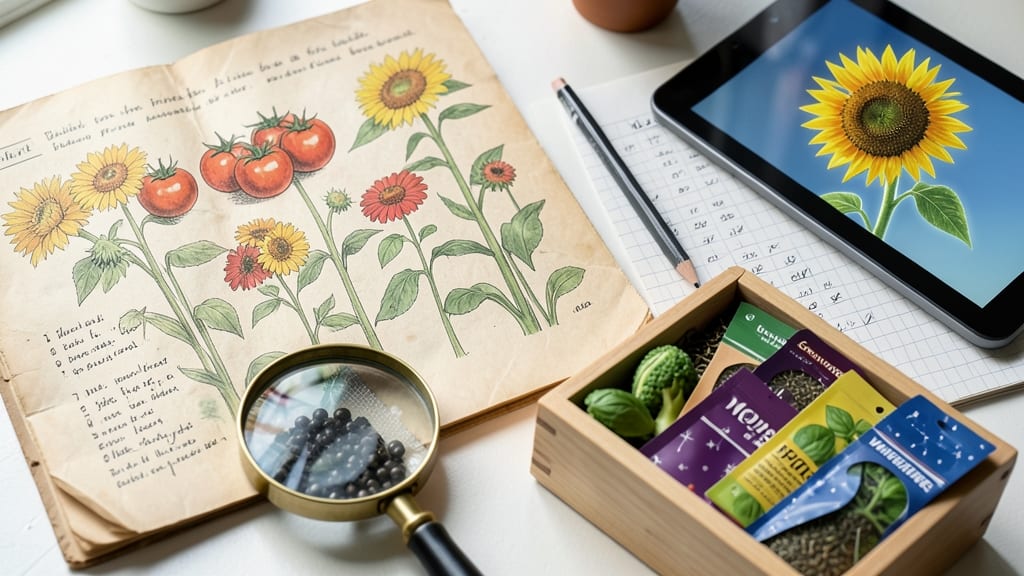
Seed catalogs for 2025 just dropped, and they’re packed with heirloom varieties that’ll make your garden stand out. 🌱 I’ve been poring over the latest editions, and the rare finds this year—like ‘Black Krim’ tomatoes and ‘Moonlight’ yams—are worth the early planning.
These catalogs aren’t just seed lists; they’re gateways to flavors and colors you won’t find in stores.
The best part? You can start planning now for a spring 2025 harvest that feels like a trip to a specialty farmers’ market. Organic and heirloom seeds are trending harder than ever, with companies like Baker Creek and Seed Savers Exchange leading the charge.
Even hybrid varieties now come with disease-resistant traits that’ll save you headaches down the line.
What you’ll get isn’t just seeds—it’s a blueprint for your garden’s story. Picture rows of ‘Striped Roman’ cucumbers or ‘Purple Majesty’ pole beans, their colors popping against green foliage.
These catalogs let you mix varieties by height, bloom time, and even companion planting needs, so your garden doesn’t just grow—it thrives.
Here’s the kicker: ordering early means you secure the rarest seeds before they sell out. Set aside $50–$100 for a mix of staples and experimental picks, and start sketching your garden layout now.
The sooner you order, the sooner you’ll be biting into homegrown tomatoes that taste like summer in every bite.
📚 In This Guide
- What you need
- Instructions
- Tips and common mistakes
- Wrapping up and next steps
What you need
- ● Seed Catalogs (2025 editions) – At least 3-5 from trusted suppliers (e.g., Baker Creek, Seed Savers Exchange, or local organic farms). Opt for digital or printed versions.
- ● Notebook & pens – For tracking varieties, planting dates, and notes (a ruled 8.5x11" journal works well).
- ● Highlighters or sticky tabs – To mark heirloom seeds, rare finds, or regional favorites quickly.
- ● Ruler or measuring tape – For spacing guidelines (look for 12"-18" models with metric conversions).
- ● Seed-starting trays – 100+ cell trays (72-cell or 200-cell) for indoor germination.
- ● Seed-starting mix – 1-2 bags of sterile, lightweight potting soil (avoid garden soil—it’s too dense!).
- ● Grow lights or sunny windowsill – A full-spectrum LED grow light (12-16 hrs/day) or a south-facing window with 6+ hours of light.
- ● Misting bottle – For gentle hydration (8-16 oz with a fine spray nozzle).
- ● Plant labels & markers – Waterproof tags or a permanent marker to avoid mix-ups.
- ● Garden gloves – A pair of breathable, durable gloves (e.g., nitrile-coated for handling soil/seeds).
- ● Heat mat – Speeds up germination for slow starters (100W, adjustable temp).
- ● Humidity dome – Keeps trays moist (clear plastic lids or mini greenhouse kits).
- ● Soil thermometer – Monitors ideal temps (50°F–75°F for most seeds).
- ● Organic fertilizers – Fish emulsion or compost tea for young seedlings.
- ● Seed-saving envelopes – Paper or Mylar bags with silica packets to preserve seeds long-term.
- ● Garden planner app – Tools like Gardenate or Planter for layout and succession planting.
How to navigate 2025 seed catalogs for heirloom and rare varieties
Here's how to uncover hidden gems in this year's seed catalogs—without breaking the bank or missing out on the best varieties.
📖 Step 1: Identify Trusted Catalogs Specializing in Heirloom and Rare Seeds
Start with catalogs known for heirloom and rare varieties like Baker Creek, Seed Savers Exchange, and Territorial Seed Company. These publishers focus on preserving genetic diversity, so their offerings go beyond mainstream hybrids. I always cross-reference their lists with the Seed Savers Yearbook for varieties that might be disappearing from commercial lines.
Pay attention to their "new additions" sections—these often feature recently rediscovered heirlooms or rare regional varieties. For example, 2025 catalogs are highlighting Cheese Pumpkin and Black Krim tomatoes as must-haves for collectors. Bookmark these catalogs early, as rare seeds often sell out within weeks of release.
🔍 Step 2: Decode Catalog Descriptions for True Value
Heirloom seeds aren't just about nostalgia—they often perform better in specific climates or have unique flavors. Look for keywords like "open-pollinated," "non-GMO," and "historical variety" in descriptions. I avoid seeds labeled "hybrid" or "F1" when hunting for heirlooms, as these won't produce true seed from saved harvests.
Check the catalog's growing zone recommendations—some rare varieties thrive in Zone 5 or cooler but struggle in Zone 8+. Also, note whether the catalog provides detailed growing tips or just basic care instructions. For example, Dwarf Blue Hubbard Squash might need trellising in hot climates, which some catalogs fail to mention.
💰 Step 3: Strategize Your Order to Maximize Variety Without Overspending
Prioritize seeds by rarity and usefulness. Start with 5-10 varieties per catalog to avoid overwhelming your garden. I always include at least one "signature" heirloom—like Brandywine tomatoes or Black Spanish Radishes—that I grow every year, then add 2-3 new experimental varieties. This balances reliability with discovery.
Take advantage of early-bird discounts or bundle deals. Some catalogs offer 10-15% off if you order by a specific date (usually January-February). Also, check for "seed swaps" or "rare seed clubs" where you can trade duplicates for hard-to-find varieties. I once swapped extra Cherokee Purple Eggplant seeds for a packet of Long White Naples Bean that wasn’t listed anywhere else.
📅 Step 4: Plan Your Order Around Germination Times and Seasonal Needs
Align your seed purchases with your planting schedule. Early spring catalogs often feature cool-season crops like Amantha Peas or Tendersweet Corn, while summer releases might highlight heat-tolerant varieties like Hillbilly Red Tomatoes. I use a spreadsheet to track germination times—some heirlooms (like Mammoth Melting Snow Peas) take 10-14 days to sprout, while others (like Early Girl Tomatoes) emerge in 5-7 days.
Factor in succession planting. If you’re growing Long-Keeper Carrots (which mature in 70 days), you’ll need to order seeds in waves to maintain a continuous harvest. Catalogs often include harvest timelines, but I double-check with seed-saving forums to confirm. For example, German Butterball Squash might list a 90-day maturity, but real-world growing conditions can shift that by ±10 days.
📝 Step 5: Document and Share Your Finds for Future Reference
After ordering, create a digital or physical log of your new varieties. Include notes on the catalog source, germination success, and any quirks you observe. I use a simple table with columns for variety name, catalog source, germination date, first harvest date, and notes (e.g., "needs staking," "resistant to powdery mildew"). This helps me avoid repeating mistakes and spot trends—like which catalogs consistently deliver reliable rare seeds.
Share your discoveries with gardening communities or seed swaps. The more you contribute, the more you’ll receive in return. I’ve found some of my best rare seeds through local Facebook groups or Reddit threads where gardeners post their catalog hauls. For example, someone once recommended Purple Striped Okra from a lesser-known catalog, and it became a staple in my garden.
Tips & tricks for mastering 2025 seed catalogs
Navigating seed catalogs isn't just about finding seeds—it's about uncovering varieties that will transform your garden. Here's how to get the most out of this year's offerings without the overwhelm.
Catalog Selection Strategy: Beyond the big names like Baker Creek and Seed Savers Exchange, explore smaller regional catalogs that specialize in niche varieties. For example, Southern Exposure Seed Exchange often carries heat-tolerant heirlooms perfect for Zone 7-10 gardeners, while Rare Seeds focuses on varieties nearing extinction. I always check their "new introductions" sections first—these often feature varieties that won't appear in mainstream catalogs until next year.
Zone-Specific Deep Dive: The growing zone recommendations in catalogs are your secret weapon. Some rare varieties thrive in Zone 5 or cooler but fail in warmer climates, while others like Hillbilly Red Tomatoes actually perform better in Zone 8+ due to their heat tolerance. I create a simple spreadsheet with columns for each variety, its recommended zones, and my local conditions. This helps me avoid planting mismatches that waste both seeds and garden space.
Seed Swap Savvy: Don't overlook the power of seed swaps and rare seed clubs mentioned in many catalogs. These programs often provide access to varieties that sell out within hours of catalog release. I've sourced Cherokee Purple Eggplant and Long White Naples Beans through these networks when they weren't available elsewhere. Always check the catalog's fine print—some swaps require you to share your own rare seeds, while others offer free access to members.
Documentation System: Create a digital catalog of your seed purchases that goes beyond just variety names. Include columns for germination dates, first harvest observations, and any quirks you notice (like Dwarf Blue Hubbard Squash needing trellising in hot climates). I use a shared Google Sheet with my gardening group so we can collectively track which catalogs deliver reliable varieties. This becomes your personal seed encyclopedia over the years.
Pro Tips for Seed Catalogs 2025
- Navigating seed catalogs isn't just about finding seeds—it's about uncovering varieties that will transform your garden.
- Catalog Selection Strategy: Beyond the big names like Baker Creek and Seed Savers Exchange, explore smaller regional catalogs that specialize in niche varieties.
- Zone-Specific Deep Dive: The growing zone recommendations in catalogs are your secret weapon.
Frequently asked questions
Got questions about seed catalogs for 2025?
You’re not alone! Here are answers to the most common queries—from timing to troubleshooting—so you can dive into heirloom gardening with confidence.
When should I order seed catalogs for 2025?
Most catalogs release late summer to early fall 2024 (August–October) for the 2025 growing season. Early orders secure rare varieties, but don’t worry—many retailers offer priority shipping if you wait until winter. Pro tip: Bookmark your favorites now to avoid last-minute shortages!
Can I still find heirloom seeds if I miss the catalog release?
Many seed savers and online retailers (like Baker Creek Heirloom Seeds or Seed Savers Exchange) offer year-round restocks of popular varieties. Local seed swaps or Facebook gardening groups are also goldmines for rare finds. Try filtering by "open-pollinated" or "heirloom" tags for authenticity.
How soon can I start planting seeds from a 2025 catalog?
Timing depends on your climate and the seed type! Cool-season crops (like lettuce or peas) can go in early spring or fall, while warm-season (tomatoes, peppers) wait until soil temps hit 60°F+. Check the catalog’s planting charts—they often include USDA zone maps and soil thermometer tips for precision.
Are seed catalogs worth the cost for small gardens?
Yes—if you prioritize quality over quantity! A single heirloom tomato seed (like ‘Brandywine’) can yield 10+ pounds of fruit, saving money long-term. For tiny spaces, focus on compact varieties (e.g., ‘Tiny Tim’ tomatoes) or seed packets (often $2–$4 each). Start with 3–5 catalogs to test what thrives in your microclimate.
What if my seeds arrive damaged or don’t grow?
Most reputable catalogs (e.g., Burpee, High Mowing) offer replacements or refunds for defective seeds. Store seeds in a cool, dark place (like a fridge) to preserve viability. For germination issues, try soaking seeds overnight or using a seedling heat mat—some varieties need warmth to sprout!
Still stumped? Drop your question in the comments—we’ve got you covered!
Wrapping up and next steps
As you explore the seed catalogs 2025 and discover heirloom varieties and rare finds, remember: every seed holds the promise of a thriving garden and a deeper connection to nature’s legacy. 🌱 Whether you're reviving forgotten flavors or experimenting with unique plants, this is your chance to cultivate something extraordinary.
Ready to take the next step? Start by marking your favorites in your catalog, then plan your planting schedule based on your climate and growing season. Happy gardening—your future harvest awaits!