
Lawn
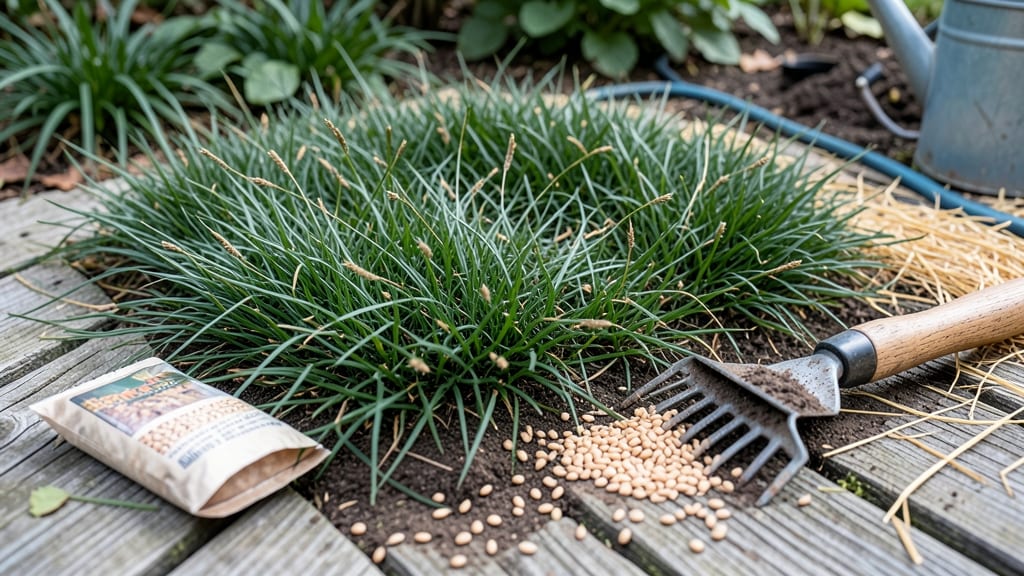
Fall is the perfect time to reseed grass when temperatures cool and weeds slow down. 🌱 I’ve learned the hard way that spring reseeding often fails—too hot, too dry, and weeds take over before new grass gets a foothold.
But fall? That’s when grass roots establish deep before winter, giving you a thicker, greener lawn next spring without fighting summer heat.
The secret isn’t just timing—it’s prep. Start by raking out dead patches, loosening compacted soil, and choosing the right seed for your climate (cool-season grasses like fescue or rye work best in most of the U.S.).
Spread a light layer of compost to feed those new roots, then water gently but consistently—think of it like a slow-motion rain shower, not a drenching. This is where most people mess up: too much water too fast washes away seeds.
By late October, you’ll see those first tiny sprouts pushing through, and by spring, your lawn will look like it’s been professionally overhauled—without the cost. The best part? Fewer weeds compete with your new grass, and the cooler weather means less stress on both you and the seeds.
This is the foolproof way to skip the patchy, thin lawn everyone hates.
Works for most of the U.S., but if you’re in the Southern Hemisphere, flip the season—spring is your fall. Just remember: soil temp matters more than calendar dates. Stick your finger in the ground—if it’s warm but not scorching, it’s time to sow.
📚 In This Guide
- What you need
- Instructions
- Tips and common mistakes
- Wrapping up and next steps
What you need
- ● Grass seed: Choose a high-quality, cool-season blend (e.g., Kentucky bluegrass, fescue, or ryegrass). Aim for 8–12 lbs per 1,000 sq ft, depending on your grass type and bare spots.
- ● Topsoil or compost: 1/4–1/2 inch layer to cover seeds and retain moisture. Opt for a loamy, well-draining mix.
- ● Starter fertilizer: A low-nitrogen (5-10-10 ratio) blend to fuel early growth. Follow package rates for your lawn size.
- ● Mulch or straw: Lightweight, seed-safe straw (avoid hay with weeds!) to protect seeds and lock in moisture.
- ● Broadcast spreader: For even seed distribution (calibrate to match seed quantity).
- ● Rake (bow or leaf rake): Fine-toothed for smoothing soil and covering seeds.
- ● Lawn mower (or string trimmer): Set blades to 1–2 inches to prep existing grass.
- ● Garden hose with sprinkler: Light, frequent watering is key—aim for 1/4 inch per day.
- ○ Optional but helpful: Soil test kit (to check pH and adjust with lime/sulfur if needed).
- ● Lawn roller (lightweight, 50–75 lbs) to press seed-soil contact.
- ● Knee pads or gloves (for comfort during prep work!).
- ● Weather window: Wait for a 5–7 day forecast with temps between 60–75°F and no rain in the first 24 hours.
- ● Lawn prep: Remove debris, dethatch if needed, and mow existing grass to 1–2 inches for even seed contact.
- ● Soil conditions: Lightly loosen compacted soil with a rake or aerator (if heavily compacted).
Step-by-Step instructions for reseeding grass in fall
Fall is the perfect time to transform thin patches into lush lawns—here’s how to do it right.
🌱 Step 1: Prepare the Soil for Optimal Seed Contact
Start by mowing your lawn shorter than usual—set the mower to its lowest setting to create an even surface. This helps expose soil where seeds will make direct contact. After mowing, rake the area thoroughly with a stiff-bristled rake to remove any remaining debris, dead grass, or thatch. You’ll know you’ve done enough when the soil looks loose and ready for seeds.
For bare spots, use a garden fork to loosen the soil about 2 inches deep—this mimics natural soil disturbance and gives seeds room to establish roots. Water the area lightly before seeding so the soil is moist but not soggy. This ensures seeds won’t dry out immediately after planting. The goal is to create a soft, crumbly surface that seeds can nestle into.
💧 Step 2: Spread Grass Seed Evenly Across the Lawn
Choose a cool-season grass seed suited to your climate—Kentucky bluegrass, fescue, or ryegrass are all excellent choices for fall planting. Use a broadcast spreader to distribute the seed evenly, overlapping passes slightly to avoid thin patches. Walk slowly and keep the spreader at a consistent height to ensure uniform coverage.
For larger areas, divide the lawn into sections and mark them off with stakes or spray paint to avoid missing spots. Lightly rake the seeded area again after spreading to press seeds into the soil—just enough so they’re covered but not buried too deep. This step is critical: seeds need darkness to germinate but also need to stay in contact with moist soil.
☀️ Step 3: Keep Soil Consistently Moist for Germination
Water the seeded area lightly but frequently—aim for about ¼ inch of water daily for the first 2 weeks. Use a sprinkler with a fine mist setting to avoid dislodging seeds. The key is to keep the top ½ inch of soil damp, not soaked. You’ll know you’re doing it right when the soil feels like a wrung-out sponge—moist but not dripping.
After the seeds germinate (usually within 7-14 days), gradually reduce watering to ½ inch per week to encourage deep root growth. Avoid walking on the new grass until it reaches 3 inches tall—this prevents damage to delicate seedlings. If rain provides enough moisture, you can skip watering entirely, but check the soil daily to ensure it doesn’t dry out.
✂️ Step 4: Maintain New Grass Through Winter
Once the new grass reaches 3-4 inches tall, mow it at a height of 3 inches to encourage a sturdy root system. Avoid cutting more than ⅓ of the grass blade at once—this prevents stress and promotes even growth. Use a sharp mower blade to avoid tearing the grass, which can invite disease.
In late fall, apply a light layer of compost or straw mulch (about ¼ inch thick) to protect seeds and young grass from freezing temperatures. This also helps retain moisture during dry spells. If your area experiences heavy frost, avoid walking on the lawn until spring—this preserves the integrity of the new turf. By next spring, you’ll see a thicker, more vibrant lawn thanks to your fall efforts.
Tips & tricks for perfect fall grass reseeding
Here's what nobody tells you about getting that lush lawn—these little details make all the difference in fall planting.
Soil Prep Secret: After mowing low in Step 1, I like to run the rake in one direction first to remove debris, then cross-rake perpendicular to create a fine, crumbly texture. This mimics natural soil disturbance and gives seeds the perfect bed to nestle into. For bare spots, don't just loosen the soil—break up any compacted layers down to that 2-inch depth mentioned in the instructions. Compacted soil is the #1 reason seeds fail to germinate properly.
Seed Distribution Technique: When using a broadcast spreader in Step 2, walk in a crisscross pattern rather than straight lines. This ensures you don't miss any spots, especially around trees or edges. For small areas, try the "hand method": sprinkle seed with your fingers while walking backward—this gives you better control over coverage. And here's a pro move: after spreading, give the area a gentle once-over with a leaf rake to press seeds just slightly into the soil without burying them.
Watering Wisdom: That ¼-inch daily watering in Step 3 is critical, but timing matters just as much. Water in the early morning so seeds have all day to absorb moisture before evening evaporation. Use a rain gauge or measure with a tuna can to track exactly how much water you're applying—most sprinklers overestimate coverage. And when you see those first sprouts (usually within 7-14 days), switch to deeper, less frequent watering to encourage strong root development.
Winter Protection Hack: That light layer of compost or straw mulch in Step 4 is brilliant, but here's how to make it even better: mix a handful of slow-release fertilizer with the compost before applying. This gives your new grass a nutrient boost when it starts growing in spring. Also, if you're in a particularly cold climate, consider adding a thin layer of burlap over the mulch for extra insulation during freeze-thaw cycles.
Pro Tips for Reseed Grass In Fall
- Here's what nobody tells you about getting that lush lawn—these little details make all the difference in fall planting.
- Soil Prep Secret: After mowing low in Step 1, I like to run the rake in one direction first to remove debris, then cross-rake perpendicular to create a fine, crumbly texture.
- Seed Distribution Technique: When using a broadcast spreader in Step 2, walk in a crisscross pattern rather than straight lines.
Frequently asked questions
Got questions about reseeding your lawn this fall?
You’re not alone! Here are some of the most common concerns—plus straightforward answers to help you tackle the job with confidence.
When is the exact best time to reseed in fall?
The ideal window is late summer to early fall—typically 4–6 weeks before your first hard frost (late August to October in most U.S. regions). Aim for 60–75°F soil temps and cool evenings to give seeds time to germinate before winter slows growth. Check your local frost dates for precision!
How long does it take for grass seed to sprout after reseeding?
Most cool-season grasses (like tall fescue or Kentucky bluegrass) sprout in 7–21 days, depending on moisture, temperature, and seed type. Warm-season grasses (like Bermuda) may take 10–30 days if seeded in early fall. Keep soil moist but not soggy—light watering 2x daily speeds germination!
Can I reseed over existing grass, or do I need to kill it first?
For thin or patchy lawns, overseeding works great—just mow low (1–1.5 inches) and rake lightly to expose soil. If your lawn is dense and healthy, you can skip herbicides. But for weedy or bare spots, spot-treat with a selective herbicide 1–2 weeks before seeding.
What if rain stops after I reseed? Can I still get good results?
If natural rain fades, water deeply 2x daily (early morning + evening) for 10–15 minutes per session until seeds sprout. Use a gentle sprinkler to avoid washing seeds away. Once grass reaches 2–3 inches tall, reduce to 1 inch per week.
Will squirrels or birds eat all my grass seed? How do I protect it?
Yes—they’re seed thieves! Scatter seed lightly and cover with a thin layer of straw or peat moss (1/4 inch) to deter foraging. For stubborn critters, try seed starter fertilizer granules (they’re less appealing) or use a chicken wire frame temporarily. A light mulch also helps retain moisture!
Wrapping up and next steps
Fall is the perfect time to transform your lawn into a lush, green masterpiece—and you’ve got all the tools to make it happen! 🌱 By reseeding now, you’re setting the stage for a thicker, healthier turf by next spring. Don’t wait—grab your gloves, follow the steps, and enjoy the satisfaction of a lawn that’s the envy of the neighborhood!
Ready to take the next step? Start small:
- Pick a sunny weekend to prep your lawn.
- Test a small patch first if you’re unsure.
- Celebrate your progress with a cold drink and a proud smile!