
Propagation
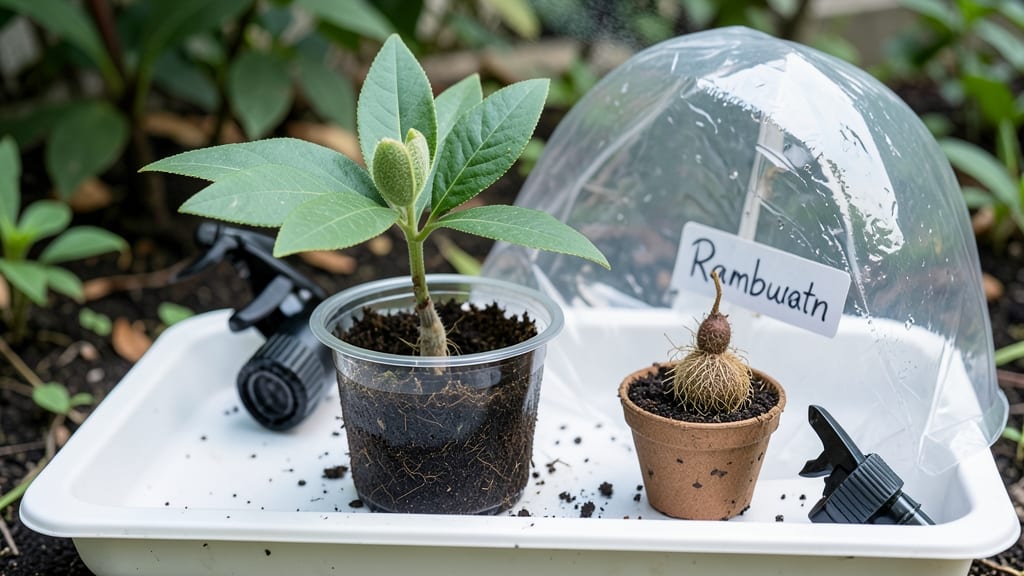
Rambutan seed germination feels like waiting for a tropical vacation to arrive in your kitchen. 🌿 The key to success starts with a simple soak and a patient approach—no fancy equipment needed. I’ve sprouted dozens of these hairy-fruited trees, and the trick lies in mimicking their natural jungle environment at home.
You’ll need just three things: fresh seeds (from a ripe rambutan), a warm spot, and a little moisture. No special soil mix—even a damp paper towel works for the first few weeks.
The real magic happens when you balance temperature (around 75-80°F) with consistent humidity, which speeds up germination from 2-4 weeks to just 10-14 days.
Once those first roots peek out, you’ll transplant into a small pot with well-draining soil. The seedlings grow surprisingly fast—expect 6-inch plants in 3 months if you keep them warm and bright. The hairy, leathery leaves are your reward for staying consistent.
This method works for any tropical fruit lover, whether you’re in a warm climate or a cozy indoor setup. The hardest part? Waiting for those first leaves to unfurl. Let’s get those seeds sprouting!
📚 In This Guide
- What you need
- Instructions
- Tips and common mistakes
- Wrapping up and next steps
What you need
- ● Rambutan seeds: 3–5 fresh, plump seeds (harvested from ripe fruit; avoid dried or shriveled ones).
- ○ Small pots or seed trays: 2–3 (4–6 inches deep) with drainage holes. Optional: Biodegradable peat pots for easy transplanting.
- ● Well-draining potting mix: 2–3 bags (sterilized, seed-starting mix or a blend of 50% peat moss, 30% perlite, and 20% coconut coir).
- ● Spray bottle: 1 (for gentle watering).
- ● Plastic wrap or humidity dome: 1 (to retain moisture).
- ○ Heat mat (optional but helpful): 1 (70–85°F range) to speed up germination.
- ● Grow lights or sunny windowsill: Access to bright, indirect light (6+ hours/day).
- ● Fertilizer (after sprouting): Balanced liquid fertilizer (e.g., 10-10-10), diluted to half-strength.
- ● Patience: Germination can take 4–12 weeks—rambutan seeds are slow starters!
- ● Warmth: Ideal germination temp: 75–85°F (24–29°C). Avoid drafts or cold spots.
- ● Consistency: Keep soil moist but not soggy (overwatering = rot risk!).
- ● Space: Seedlings need room to grow—plan for repotting in 3–6 months.
Step-by-step rambutan seed germination
Here's how to coax those stubborn rambutan seeds into sprouting without the guesswork.
🌱 Step 1: Select and Prepare the Seeds
Choose only plump, undamaged rambutan seeds—shriveled or cracked ones refuse to germinate. The seed's hard outer shell needs softening first. Place seeds in a bowl of lukewarm water and let them soak for 24-48 hours, changing the water every 12 hours to prevent mold. You'll know they're ready when the outer shell starts to crack slightly along one side.
After soaking, gently rub the cracked side against a rough surface to loosen the shell without damaging the seed inside. This step mimics natural decomposition in the wild and signals the seed it's safe to sprout. Discard any seeds that remain hard after this process—they won't germinate.
💧 Step 2: Create the Ideal Germination Environment
Fill a small container with a mix of 50% perlite and 50% coconut coir (or a well-draining seed-starting mix). The medium must stay moist but never soggy—rambutan seeds rot quickly in waterlogged conditions. Moisten the mix until it holds together when squeezed but doesn't drip.
Plant the seeds ½ inch deep, with the cracked side facing upward. This orientation mimics how seeds would naturally orient in tropical forest soil. Cover the container with plastic wrap to retain humidity, but leave it slightly ajar for airflow. Place the container in a warm spot with 75-85°F temperatures—near a heat mat or in a propagator works best.
☀️ Step 3: Monitor and Maintain Germination Conditions
Check the container daily for moisture—mist lightly if the top inch feels dry to the touch. Germination typically takes 3-6 weeks, but some seeds may take up to 3 months, especially if they were stored dry for long periods. Patience is key here; don't disturb the seeds or move the container once planted.
Once sprouts appear, remove the plastic wrap immediately to prevent fungal growth. The seedlings will be delicate at first, with tiny leaves emerging in pairs. Keep the soil consistently moist but never waterlogged—you'll see the first true leaves develop within 4-6 weeks after germination if conditions are perfect.
🌿 Step 4: Prepare for Transplanting
When seedlings reach 4-6 inches tall and develop 3-4 sets of true leaves, they're ready for their first transplant. Harden them off by placing the container outside in a shaded spot for 1 hour daily, gradually increasing exposure over 7-10 days. This acclimates them to outdoor conditions without shock.
Choose a 6-inch pot with drainage holes for each seedling. Use a light, airy potting mix amended with perlite or vermiculite to prevent compaction. Transplant on an overcast day or in the late afternoon to reduce stress. Water thoroughly after transplanting to settle the soil around the roots.
Tips & tricks for perfect rambutan seed germination
Real talk: Germinating rambutan seeds isn't rocket science, but these little details make all the difference between success and frustration.
Seed Selection: Here's what nobody tells you—rambutan seeds from store-bought fruit often fail because they're too old or dried out. If you're buying seeds online or from specialty suppliers, ask when they were harvested. Fresh seeds (within 3 months) have a much higher success rate. I've had better luck with seeds from ripe, locally grown fruit that I process immediately.
Soaking Strategy: The 24-48 hour soak is non-negotiable, but don't skip the 12-hour water changes—this prevents mold that'll kill your seeds before they even sprout. I use a fine mesh strainer to drain and rinse seeds between changes, which keeps the water fresh without damaging the delicate shells. Confession: I skipped this once and lost half my batch to mold.
Temperature Matters: While the instructions call for 75-85°F, I've found that seeds placed near a heat mat (around 80°F) germinate about 2 weeks faster than those at room temperature. Just don't let the soil get hotter than 90°F—rambutan seeds are tropical but not desert plants. A simple thermometer probe in the soil will help you monitor this precisely.
Transplanting Timing: Waiting until seedlings reach 4-6 inches with 3-4 sets of true leaves gives them the best chance at survival after transplanting. I've seen seedlings that were transplanted too early (under 3 inches) develop root rot within days. The key is watching for those true leaves—they're your signal that the seedling has established its first true photosynthetic system.
Pro Tips for Rambutan Seed Germination
- Real talk: Germinating rambutan seeds isn't rocket science, but these little details make all the difference between ...
- Seed Selection: Here's what nobody tells you—rambutan seeds from store-bought fruit often fail because they're too ol...
- Soaking Strategy: The 24-48 hour soak is non-negotiable, but don't skip the 12-hour water changes—this prevents mold ...
Frequently asked questions
Got questions about germinating rambutan seeds?
You’re not alone! Here are answers to the most common queries to help you grow your tropical tree with confidence.
How long does it take for rambutan seeds to germinate?
Germination can take anywhere from 2 to 6 weeks, depending on temperature (ideal: 75–85°F) and moisture. Patience is key—some seeds sprout faster if pre-soaked or scarified. Keep the soil consistently damp but not soggy for best results.
Do I need to scarify rambutan seeds before planting?
Scarification (lightly nicking or sanding the seed coat) can speed up germination by breaking dormancy. Use fine-grit sandpaper or a knife to gently scratch the hard outer shell. Skip this step if seeds are fresh (<3 months old), as they may sprout naturally.
What’s the best temperature for germinating rambutan seeds?
Rambutan seeds thrive in warmth—aim for 75–85°F (24–29°C). Use a seedling heat mat or place the pot near a sunny window. Avoid cold drafts or temps below 65°F (18°C), which can delay or prevent germination.
Can I grow a rambutan tree from a store-bought fruit?
Just save the seed after eating the fruit, rinse it, and let it dry for a day. Store-bought seeds work, but freshness matters: older seeds (6+ months) may germinate poorly. For faster results, soak overnight before planting.
Why isn’t my rambutan seed sprouting? Troubleshooting tips.
Try these fixes if your seed stays dormant:
- Check moisture: Soil should feel like a damp sponge—neither dry nor waterlogged.
- Test temperature: Move to a warmer spot (e.g., near a heater or in a greenhouse).
- Inspect the seed: If it’s moldy or smells bad, discard it and try a fresh one.
- Try stratification: Place the seed in a plastic bag with moist paper towels in the fridge for 1–2 weeks to mimic natural conditions.
Wrapping up and next steps
Germinating rambutan seeds is a rewarding journey into tropical gardening—one that connects you to nature’s cycles and the joy of nurturing life! 🌱 With the right materials, patience, and care, you’ve learned how to coax those tiny seeds into thriving saplings.
Whether you’re a seasoned gardener or a beginner, every sprouted seed is a step toward a lush, fruit-bearing future.
Now that you’re armed with knowledge, take the next step: plant your germinated seeds in well-draining soil and watch them grow under the sun. Share your progress with fellow plant enthusiasts—your green thumb might inspire others to start their own tropical adventures!