
Lawn
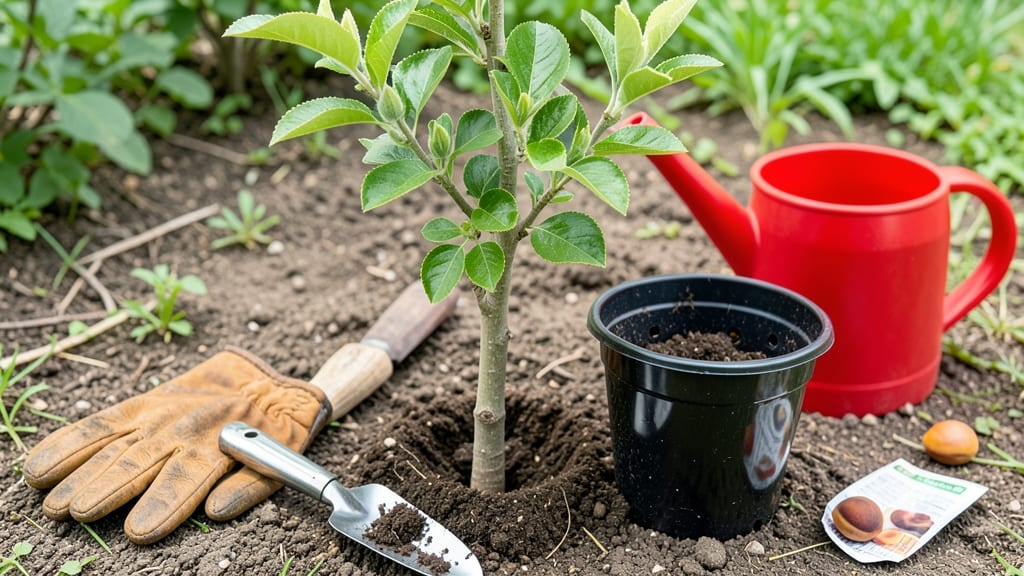
Planting peach tree seeds requires cold-stratification for success—this method mimics winter's chill to break dormancy and coax those first stubborn sprouts. 🌱 I learned the hard way that skipping this step means months of waiting (or never seeing) germination, but once you master it, you'll have a tree that could bear fruit in just 5-7 years.
The secret lies in patience and replicating nature's timing, not forcing the seeds to grow too soon.
You'll need fresh peach pits (not store-bought), damp paper towels, a sealed plastic bag, and a freezer for 8-12 weeks. The process starts indoors in late fall, then moves to soil in early spring—timing that ensures your seedlings hit the ground ready to thrive.
Most gardeners underestimate how delicate this stage is; even a slight temperature swing can stall progress, so consistency is key.
By spring, you'll transplant sturdy seedlings into well-draining soil with full sun exposure, spacing them 20 feet apart for mature growth. The first year focuses on root establishment—water deeply once a week (unless it rains) and watch for those first true leaves as proof your efforts are paying off.
It's a slow dance with nature, but the payoff is a tree that could outlive you.
Fair warning: germination rates hover around 20-30%, even with perfect stratification. That's why starting with 10-15 seeds gives you the best shot at multiple strong saplings.
The real magic happens years later when—if all goes right—you'll see pink blossoms in spring, followed by juicy peaches that taste like childhood summers.
📚 In This Guide
- What you need
- Instructions
- Tips and common mistakes
- Wrapping up and next steps
What you need
- ● Peach pits (seeds): 3–5 fresh, plump pits from ripe peaches (avoid store-bought pits if possible—they’re often treated to prevent sprouting).
- ● Cold stratification setup: 1 small container (e.g., plastic bag, paper towel-lined bowl, or seed-starting tray).
- ● Moistened paper towels or peat moss (enough to cover pits).
- ● Planting medium: 1 small pot (4–6 inches deep) filled with well-draining potting mix (or a blend of 50% peat moss + 50% perlite/sand).
- ● Grow lights or sunny windowsill: A spot with indirect light (6+ hours/day) for seedlings.
- ● Spray bottle: For gentle watering.
- ● Patience! 😉 Peach trees from seed take 3–5 years to bear fruit.
- ● Seedling heat mat: Speeds up germination if your home is chilly.
- ● Fertilizer: Balanced 10-10-10 or organic compost (once seedlings sprout).
- ● Transplant tray: For moving seedlings outdoors after stratification.
- ● Garden gloves: Protects hands when handling pits or soil.
- ● Label markers: To track planting dates (trust us, it helps!).
Step-by-step instructions for planting peach tree seeds
Here's how to cold-stratify peach pits for reliable germination and strong trees next spring.
🌱 Step 1: Extract and Clean the Seeds
Start with fresh, fleshy peaches—store-bought varieties often contain seeds treated to prevent germination. Cut open the fruit and remove the large, flat seed (the pit). Rinse it thoroughly under cool water to remove any remaining fruit pulp, which can attract mold. Let the seed air-dry completely for 24 hours—this prevents rot during stratification.
I like to soak the seeds in a 10% bleach solution (1 part bleach to 9 parts water) for 10 minutes to sterilize the surface. This step isn't mandatory but helps prevent fungal issues later. After soaking, rinse again and pat dry with a paper towel. Store the clean, dry seeds in a sealed container until stratification.
💧 Step 2: Cold-Stratify the Seeds for 3 Months
Peach tree seeds require 90-120 days of cold stratification to break dormancy. Fill a ziplock bag with damp (not soggy) peat moss or coconut coir—enough to surround the seeds completely. Place 3-4 seeds in the bag, seal it tightly, and label it with the date. Store the bag in your refrigerator's crispier drawer (or any area maintaining 35-45°F).
Check the bag every 2-3 weeks to ensure the medium stays moist but not dripping. If the seeds feel dry to the touch, lightly mist with water and reseal. After 8 weeks, remove the seeds and inspect for signs of sprouting. If none appear, return them to cold storage for another 4 weeks—patience is key here.
☀️ Step 3: Plant Stratified Seeds in Containers
Fill 4-inch diameter pots with well-draining potting mix (avoid garden soil—it compacts too easily). Plant each seed 1 inch deep, spacing them 2 inches apart if using a single container. Gently press the soil around the seeds to ensure good contact but don’t compact it. Water lightly until the soil surface feels slightly damp (not wet).
Place the pots in a warm, bright location (around 70°F) with indirect light for the first 7-10 days. This mimics spring conditions and encourages even germination. Avoid direct sunlight initially—young seedlings are sensitive to heat stress. Once sprouts emerge, move the pots to a south-facing window or under grow lights for 12-14 hours of light daily.
🌿 Step 4: Care for Seedlings Until Transplanting
Seedlings will appear in 2-4 weeks after planting, though some may take longer. Water gently at the soil line—never let the seedlings sit in standing water, which causes rot. Keep the soil evenly moist (check by sticking your finger 1 inch deep—if dry, water lightly). Fertilize with a balanced, water-soluble fertilizer (10-10-10) at half strength when the first true leaves appear.
Transplant seedlings outdoors after the last frost date and when they’ve developed 3-4 sets of leaves. Harden them off by placing them outside for 1-2 hours daily, gradually increasing exposure over 10-14 days. Choose a sunny, sheltered spot with well-draining soil—peach trees thrive in full sun and slightly acidic to neutral soil (pH 6.0-7.0).
⏰ Step 5: Monitor and Prune for Strong Growth
Young peach trees grow quickly but need regular pruning to develop a strong structure. Remove any weak, crossing, or diseased branches with clean, sharp pruners. Aim to keep the tree open and airy—this prevents fungal issues and encourages fruit production later. Mulch around the base with 2-3 inches of organic mulch (like wood chips) to retain moisture and regulate soil temperature.
Here’s the thing—peach trees from seed may not produce fruit identical to the parent tree, but they’ll grow into hardy, disease-resistant specimens. Watch for aphids or peach tree borers in late summer, and treat early with neem oil or insecticidal soap. With patience, your cold-stratified seedlings will reward you with blossoms in 3-5 years and fruit soon after.
Tips & tricks for perfect peach tree seed planting
These little-known tricks will help you avoid common pitfalls and maximize your chances of growing strong, healthy peach trees from seed.
Seed Selection: Choose peaches from trees that produce fruit you love—this increases the odds your seedlings will inherit desirable traits. Avoid seeds from store-bought peaches, as they're often treated to prevent germination. Look for plump, fresh pits that sink in water (floaters are usually hollow or immature). I always test a few seeds by cracking them open—if they're solid and firm, they're ready for planting.
Stratification Setup: The key to successful cold stratification is maintaining consistent moisture without creating a soggy environment. I use a ziplock bag with small air holes poked in the corners to allow for minimal airflow while keeping humidity high. Place a damp paper towel in the bag with your seeds before sealing—this creates an ideal microclimate. The 35-45°F temperature range in your refrigerator's crispier drawer is perfect for mimicking winter conditions.
Germination Timing: After the initial 8 weeks of cold stratification, check your seeds every few days for signs of sprouting. If none appear by 12 weeks, don't panic—some seeds need the full 120 days. The first sign of life is usually a tiny white root emerging from the seed. Once you see this, it's time to plant immediately. I've found that planting at this early stage gives seedlings a better chance to establish strong roots before transplanting.
Light Management: Those first 7-10 days after planting are critical for establishing healthy seedlings. While indirect light is important, avoid placing pots near drafty windows or vents that can cause temperature fluctuations. I use a simple grow light on a timer for 12-14 hours daily once sprouts appear—this gives consistent light without the risk of heat stress. The goal is to encourage even growth without burning tender new leaves.
Pro Tips for Peach Tree Seed Planting
- These little-known tricks will help you avoid common pitfalls and maximize your chances of growing strong, healthy peach trees from seed.
- Seed Selection: Choose peaches from trees that produce fruit you love—this increases the odds your seedlings will inherit desirable traits.
- Stratification Setup: The key to successful cold stratification is maintaining consistent moisture without creating a soggy environment.
Frequently asked questions
Got questions about growing a peach tree from seed? You’re not alone—this process can feel tricky! Below, we’ve answered the most common queries to help you navigate cold stratification, germination, and long-term care like a pro.
How long does it take for peach tree seeds to germinate after cold stratification?
After completing 6–12 weeks of cold stratification (in the fridge), germination typically takes 2–8 weeks once planted in soil. Patience is key—some seeds sprout faster in warm, moist conditions, while others may take longer. Keep the soil consistently damp and watch for tiny green shoots! Pro tip: Use a heat mat (70–80°F) to speed up the process if you’re eager for results.
Do I need to soak peach seeds before planting?
Soaking isn’t required, but it can soften the seed coat and improve germination rates. Fill a jar with water, add the seeds, and let them soak for 12–24 hours before planting. Skip this step if you’re using cold stratification—soaking isn’t necessary for breaking dormancy in peach seeds. Just ensure they’re dry before refrigerating!
Will a peach tree grown from seed produce fruit like the parent tree?
Unfortunately, seed-grown peach trees rarely replicate the parent’s fruit quality—they often produce smaller, less flavorful peaches or even different varieties! For reliable fruit, consider grafting a known cultivar onto your seedling later. If you’re growing for ornamental value or curiosity, though, seed-grown trees make stunning, unique specimens.
Can I plant peach seeds directly outside in fall without refrigeration?
While possible, cold stratification is critical for breaking dormancy. Planting seeds directly outside in fall may work in very cold climates (Zones 4–6), but germination rates drop significantly. For best results, stratify seeds first (even if you plant them outdoors later). If you skip this step, expect slower or uneven sprouting.
Why did my peach seedling die after sprouting?
Seedlings often fail due to overwatering, poor drainage, or temperature swings. Ensure pots have drainage holes and use well-draining soil. Keep seedlings in bright, indirect light (avoid harsh sun) and maintain 60–70°F temperatures. If mold appears, reduce moisture and improve airflow. Pro tip: Transplant carefully—seedlings are fragile!
Wrapping up and next steps
Growing a peach tree from seed is a rewarding journey that blends patience with the joy of nurturing life! 🌱 By following cold stratification and proper planting techniques, you’re setting the stage for sweet blooms—and eventually, juicy peaches—next season.
Remember, consistency in care (like watering and sunlight) is key, but don’t let challenges discourage you; even a single successful seedling is a victory worth celebrating.
Now that you’re armed with knowledge, take the next step: grab those seeds, start stratifying, and watch your green thumb grow! Share your progress with fellow gardeners or tag us—we’d love to see your peach tree dreams take root. Happy planting! 🌿✨