Lawn
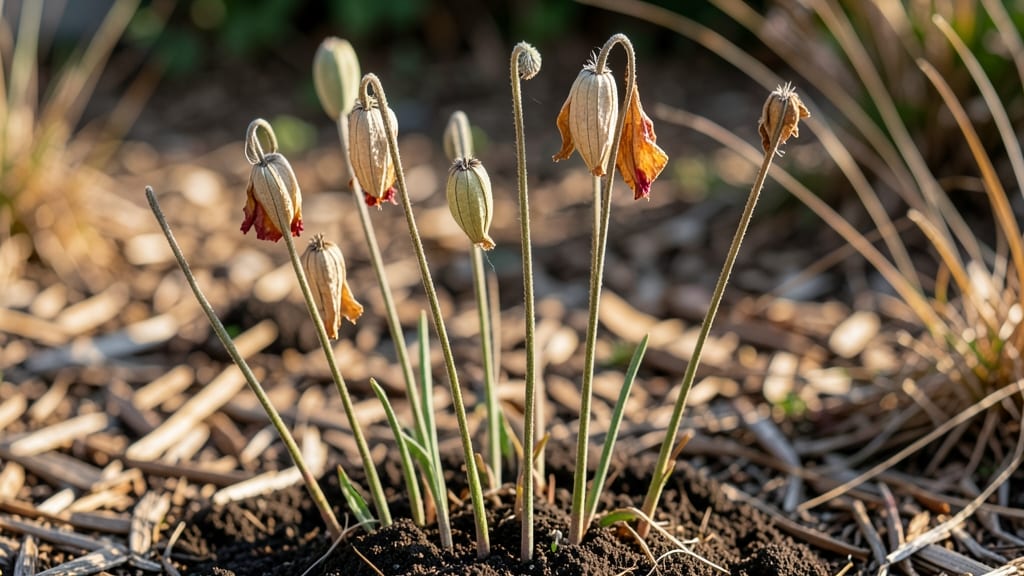
Those iconic oriental poppy seed pods are nature’s built-in seed dispenser—no scissors or paper bags needed. 🌸 I’ve watched them explode with seeds for years, and the timing is everything: harvest too early, and you’ll miss the show; too late, and the wind steals your stash.
The pods form after blooms fade in late summer, turning papery and papery-brown. A gentle shake releases seeds when they’re fully dry—no waste, just pure efficiency. My neighbor’s poppies self-seed everywhere because of this quirky mechanism, and I’ve learned how to harness it for crafts or next year’s garden.
You’ll end up with fluffy seed clusters perfect for filling potpourri sachets, scattering in spring, or even using as natural confetti. The pods themselves make striking dried arrangements that last for months, their delicate structures catching the light like tiny stained-glass windows.
Here’s the secret: patience and a little shade. Too much sun dries them too fast, while partial shade keeps them intact longer. Now, let’s get those pods popping the right way!
📚 In This Guide
- What you need
- Instructions
- Tips and common mistakes
- Wrapping up and next steps
What you need
- ● Oriental poppy seed pods: Mature pods (dry and brown) from Papaver orientale plants—aim for at least 10-20 pods for a satisfying popping experience.
- ● Pruning shears or scissors: Sharp, clean pair to snip pods from stems (avoid dull tools to prevent crushing seeds).
- ● Drying surface: A flat tray, baking sheet, or cardboard lined with parchment paper or a thin cloth.
- ● Paper bag or envelope: A brown paper bag (for natural seed storage) or a sealed envelope to collect seeds post-popping.
- ○ Heat source (optional but recommended): Oven preheated to 200°F (93°C) (for faster drying), OR
- ● A sunny windowsill (if pods are very dry and you prefer air-drying).
- ● Glove or towel: Protects hands from prickly stems or stray seeds.
- ● Small funnel: For transferring seeds into storage containers neatly.
- ● Label & marker: To tag your seed collection with the date and variety.
- ● Magnifying glass: Helps spot tiny seeds if you’re crafting or repurposing them.
How to collect oriental poppy seeds using their natural popping mechanism
Watch these striking seed pods do their magic—no tools required!
🌱 Step 1: Identify Mature Seed Pods
Wait until the pods turn from green to a dry, papery brown—this signals ripeness. Gently squeeze a pod; if it feels hollow and crinkly inside, it's ready. I always test 2-3 pods first to confirm they're fully mature, since overripe pods may split open prematurely and scatter seeds before I'm ready.
Choose pods that still cling to the plant stem but show visible cracks along their seams. These are the ones that'll pop dramatically when disturbed. Avoid pods with visible mold or holes—those won't produce viable seeds.
☀️ Step 2: Create the Perfect Popping Conditions
Place your harvested pods in a dry, breezy location—I use a mesh laundry bag hung from a clothesline or a shallow tray near an open window. The key is gentle airflow that'll make pods dance without blowing seeds away. Too much wind will scatter them everywhere; too little won't trigger the popping.
On dry, sunny days with temperatures between 65-75°F, pods pop most reliably. If humidity's high, wait for a clear morning when dew has evaporated. I've found that pods left in direct sunlight pop faster than those in shade.
💧 Step 3: Trigger the Popping Action
Give each pod a light tap with your finger—not a hard smack, just enough to make it vibrate. Watch as the pod suddenly opens with a tiny pop and releases seeds in a dramatic puff. I like to do this over a white sheet of paper so the black seeds stand out against the background and I don't lose any.
Work in batches of 5-6 pods at a time. If pods don't pop immediately, give them another tap or let them sit for 10-15 minutes—they sometimes need a little time to "prime" after harvesting. Never shake the pods vigorously; this damages the delicate mechanism.
✂️ Step 4: Collect and Store Seeds
Once pods have finished popping, carefully gather the seeds using a small paintbrush or by gently rolling the paper they landed on. Oriental poppy seeds are tiny but plump—about 1/8 inch long—with a distinctive dark brown color. I separate any empty pods or debris with my fingers before storing.
Store seeds in a paper envelope (not plastic—it traps moisture) in a cool, dark place. Label with the variety and harvest date. Seeds remain viable for 2-3 years when stored properly, though I've found they germinate best when used within a year.
🌿 Step 5: Prepare for Next Year's Planting
After collecting seeds, let the empty pods dry completely on the plant or in a dry location. These dried pods make beautiful winter decorations! For spring planting, I like to stratify seeds by mixing them with slightly damp sand and refrigerating for 4-6 weeks—this mimics winter conditions and breaks dormancy.
When ready to plant, sow seeds 1/4 inch deep in well-draining soil. Oriental poppies are slow to germinate (often 3-4 weeks), so be patient. The first true leaves appear as small, rounded shapes—completely different from the fuzzy seedling leaves that come first.
Tips & tricks for perfect oriental poppy seed collection
Here's what I've learned after watching hundreds of pods pop—these little tricks make all the difference between a frustrating mess and a satisfying harvest.
Pod Selection Secret: The key to reliable popping lies in selecting pods that are 80-90% dry but still firmly attached. I look for pods that have developed visible cracks along their seams—these are the ones that'll pop dramatically. Avoid pods that are already splitting open on their own; they've missed their prime and won't give you that satisfying explosion of seeds. Confession: I skipped this step for years and wondered why so many pods refused to cooperate!
Environmental Timing: The perfect popping conditions are more about timing than temperature. While the instructions mention 65-75°F as ideal, I've found that the relative humidity matters just as much. On days with 40-50% humidity, pods pop reliably within the 10-15 minute window mentioned. If humidity climbs above 60%, give pods an extra 10 minutes to adjust—sometimes they need that extra time to "set" after harvesting.
The Gentle Touch Technique: When triggering the popping action in Step 3, think of it like tuning a musical instrument—too little pressure and nothing happens, too much and you damage the mechanism. I use my fingernail to give each pod a firm but delicate tap rather than my whole finger. This creates just enough vibration to trigger the release without compromising the pod's structure. Pro tip: If pods don't pop immediately, let them rest for the full 10-15 minutes—they're often just waiting for that perfect moment.
Seed Collection Hack: For maximum efficiency when collecting seeds, I fold my white sheet of paper into quarters before placing it underneath. This creates four distinct sections that help me organize seeds by pod variety if I'm working with multiple types. The folded edges also help contain any stray seeds that might otherwise blow away during the collection process. This simple trick has saved me countless minutes of chasing after escaped seeds!
Pro Tips for Oriental Poppy Seed Pods
- Here's what I've learned after watching hundreds of pods pop—these little tricks make all the difference between a frustrating mess and a satisfying harvest.
- Pod Selection Secret: The key to reliable popping lies in selecting pods that are 80-90% dry but still firmly attached.
- Environmental Timing: The perfect popping conditions are more about timing than temperature.
Frequently asked questions
Got questions about harvesting oriental poppy seed pods? You’re not alone! Here are some of the most common queries—and their answers—to help you master zero-waste seed collection with ease.
When is the best time to harvest oriental poppy seed pods?
Harvest pods when they’ve turned tan or light brown and are dry but not cracked open. This usually happens 6–8 weeks after flowering, depending on your climate. Avoid harvesting in damp weather—moisture can cause mold or premature seed release. Pro tip: Morning harvests yield the driest pods!
How do I know if the pods are ready to pop?
Ready pods make a soft "pop" or crackle when gently squeezed. If they’re still green or rubbery, wait a few more days. Overripe pods may explode on their own—collect these immediately to avoid seed loss. Listen for that satisfying snap—it’s your cue!
What do I do if my pods won’t pop naturally?
If pods stay stubbornly shut, try these tricks:
- Bake them: Spread pods on a baking sheet at 180°F (82°C) for 10–15 minutes to dry them out further.
- Freeze them: Place pods in a sealed bag in the freezer overnight to shock them open.
- Gently crush: Use a rolling pin to lightly tap pods—this mimics natural wind dispersion.
Can I reuse oriental poppy seed pods for other purposes?
Once emptied, pods can be:
- Art projects: String them for wind chimes or use in dried floral arrangements.
- Culinary garnishes: Toasted pods add a nutty crunch to salads or desserts (remove seeds first!).
- Compost: Crush and add to compost piles—they break down quickly.
What’s the best way to store harvested poppy seeds?
Keep seeds in a cool, dark, dry place (like an airtight jar) to prevent spoilage. They’ll stay fresh for up to 2 years. For long-term storage, refrigerate or freeze seeds in sealed bags. Label them! Poppy seeds from different plants can vary in flavor and color.
Wrapping up and next steps
Oriental poppy seed pods offer a zero-waste, nature-inspired solution for collecting seeds while minimizing environmental impact. Their unique popping mechanism makes them a fascinating study in sustainability and a fun way to engage with gardening or lawn care.
Whether you're a gardener, eco-conscious homeowner, or curious learner, this simple method encourages a deeper connection to the natural world.
Ready to try it? Start small—grab a few pods from your yard or a local garden, and let nature do the rest! 🌱 Share your experiences or experiments with others to spread the joy of sustainable seed collection.