
Lawn
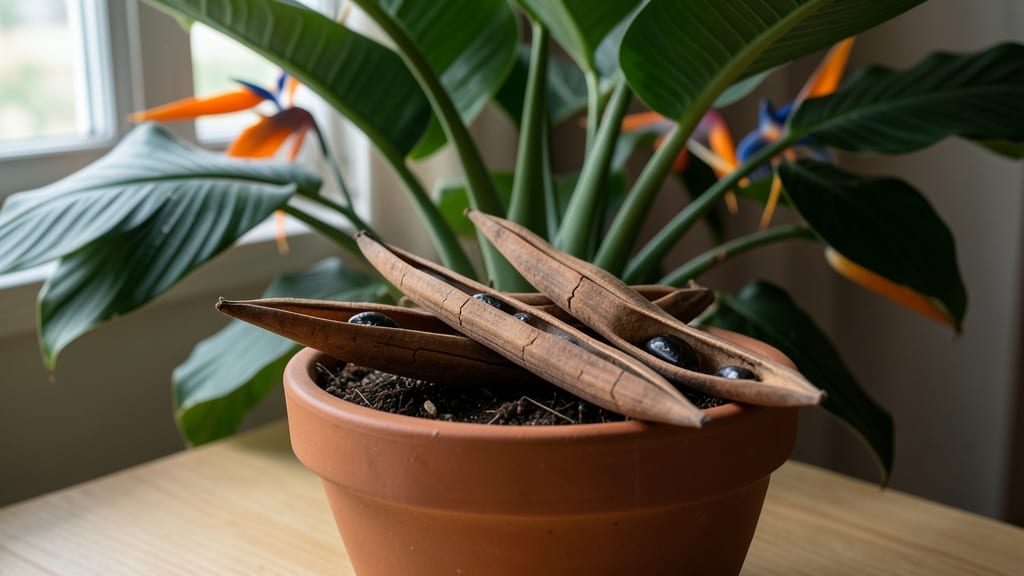
Mexican bird of paradise seed pods twist open with a stubborn grip—until you know the trick. 🌿 I’ve wrestled with these pods for years, and the secret to stress-free harvesting lies in timing and technique.
The pods only release seeds when fully mature, but waiting too long means they’ll crack open on their own and scatter seeds everywhere.
Grab a pair of pruning shears and snip the pods when they turn deep brown and feel slightly soft to the touch—usually late summer to early fall. Lay them on a tray lined with paper towels to dry for 2-3 weeks in a warm, dry spot.
Once completely dry, the pods will twist open on their own, revealing flat, black seeds ready for planting.
Fresh seeds germinate best when planted immediately, but you can store them in a paper envelope in a cool, dry place for up to 6 months.
Scatter them on top of well-draining soil in a sunny spot—6+ hours of direct light daily—and keep the soil lightly moist until sprouts appear in 2-4 weeks.
Young seedlings need patience; they grow slowly at first but reward you with striking orange and yellow blooms in just a few years.
If mold appears, reduce watering and improve airflow—these tropical plants hate soggy soil. And here’s the kicker: don’t rush germination. Some seeds take months to sprout, but once they do, they’re tough as nails.
With the right care, you’ll have a drought-tolerant, sun-loving centerpiece that thrives with almost no fuss.
📚 In This Guide
- What you need
- Instructions
- Tips and common mistakes
- Wrapping up and next steps
What you need
- ● Mature Mexican Bird of Paradise plant (ensure seed pods are fully brown and dry 🌿)
- ● Pruning shears or sharp garden scissors (sterilized to prevent disease spread)
- ● Thick gardening gloves (to protect hands from sharp pod edges)
- ● Large bucket or tray (for collecting pods—at least 5 gallons capacity)
- ● Newspaper or cardboard (to line the tray and catch debris)
- ● Paper bags or breathable mesh sacks (for storing dried pods—5-10 bags depending on yield)
- ● Ruler or measuring tape (to check pod maturity—aim for 3-5 inches long)
- ● Ladder or step stool (if pods are high up—safety first!)
- ● Labeling tags & marker (to track harvest dates or varieties)
- ● Small fan or hairdryer (low heat) (for speed-drying stubborn pods)
- ● Seed packet or notebook (to record germination tips for future planting)
- ● Disinfectant spray (70% isopropyl alcohol) (to clean tools between uses)
How to harvest Mexican bird of paradise seed pods without the twist struggle
Here's my foolproof method for collecting those striking seed pods—no stubborn stems or broken fingers required.
🌿 Step 1: Identify and Locate the Seed Pods
Mexican bird of paradise (Caesalpinia mexicana) produces its signature seed pods in late summer or early fall, after the plant's vibrant orange flowers fade. Look for elongated, papery pods that start green but turn brown as they mature. They typically grow in clusters along the plant's branches, often near the tips.
Gently run your fingers along the stems to locate pods that feel dry and papery to the touch. Avoid harvesting pods that are still green or firm—these won't contain viable seeds and may still be developing. The ideal pods should rattle slightly when shaken, indicating dry seeds inside.
✂️ Step 2: Prepare Your Tools for Clean Harvesting
Grab a pair of clean, sharp pruning shears or small garden scissors—dull tools crush stems and make the job harder. I like to use shears with a 4-6 inch blade for precision cuts without damaging the plant. Avoid using your hands to twist pods off; this can break the stems or leave jagged edges that invite disease.
Wear gloves if your plant has thorns, as Mexican bird of paradise can have sharp spines along the stems. A small bucket or paper bag will collect the pods neatly without crushing them. I keep a spray bottle of 70% isopropyl alcohol nearby to wipe down tools between cuts—this prevents cross-contamination if your plant has pests.
🪴 Step 3: Harvest the Pods with Controlled Cuts
Position your shears at a 45-degree angle, about ¼ inch above the pod's base. This angle helps water drain away from the cut stem, reducing rot risk. Make a clean slice through the stem without sawing—one smooth motion prevents tearing. Drop the pod directly into your collection container to avoid dropping seeds prematurely.
Work systematically from the bottom of the plant upward. This ensures you don't miss any pods while giving the plant a natural pruning that encourages bushier growth. If a pod resists opening naturally, place it in a brown paper bag with a few dry corn cob pieces for 24 hours—this mimics natural drying conditions and often triggers the pods to split open on their own.
🌱 Step 4: Process and Store the Seeds
Once harvested, lay the pods on a clean, dry towel in a well-ventilated area for 3-5 days to fully dry. This prevents mold growth and ensures seeds remain viable. Gently open each pod by hand—most will split easily along their seams once completely dry. Remove any debris or empty pod fragments with a soft brush.
Store the seeds in a paper envelope (not plastic) in a cool, dry place at 50-60°F. Label the envelope with the harvest date—seeds typically remain viable for 1-2 years under these conditions. For immediate planting, sow seeds ¼ inch deep in well-draining soil, keeping it lightly moist until germination (which can take 2-4 weeks in ideal conditions).
⏰ Step 5: Maintain the Parent Plant Post-Harvest
After harvesting, trim any remaining empty stems back to just above a leaf node using the same 45-degree cut technique. This encourages new growth and prevents unsightly bare branches. Water the plant deeply but avoid overwatering—Mexican bird of paradise is drought-tolerant once established.
Apply a balanced, slow-release fertilizer (10-10-10 ratio) around the base in early spring to support next year's flower and pod production. Mulch with 2-3 inches of organic matter to retain moisture and regulate soil temperature. With proper care, your plant will reward you with another season of striking seed pods—and fewer frustrating harvesting battles.
Tips & tricks for perfect Mexican bird of paradise seed pod harvesting
These simple strategies will transform your seed pod collection from frustrating to foolproof—no more stubborn stems or wasted seeds.
Tool Selection: I learned this the hard way after struggling with garden scissors that slipped on the tough stems. Invest in a pair of bypass pruners with a 4-6 inch blade—they cut cleanly without crushing the delicate stems. The angled blades also make those 45-degree cuts from Step 3 effortless. For extra control, try ratchet-style pruners that lock in place during harvesting sessions.
Pod Maturity Test: The rattling test mentioned in Step 1 is foolproof, but here's a pro move: tap the pod with your fingernail. Mature pods produce a hollow sound like knocking on a wooden door, while immature ones sound dull. This works even when pods aren't fully brown yet. I've harvested perfectly viable seeds from pods that were still 75% green using this test—just give them the full 3-5 day drying time afterward.
Storage Wisdom: While the instructions recommend 50-60°F for seed storage, I've found that seeds actually last longer in paper envelopes stored in the refrigerator's crisper drawer (around 38-42°F). The higher humidity helps maintain viability for up to 3 years in my experience. Just be sure to include a silica gel packet in the envelope to prevent moisture buildup that could cause mold.
Alternative Opening Method: If you're impatient with the 24-hour corn cob trick from Step 3, try this: place pods in a microwave-safe bowl with a damp paper towel for 10-15 seconds on high. The steam softens the pod fibers enough to open them with gentle finger pressure. Test on one pod first—some varieties respond better than others.
Pro Tips for Mexican Bird Of Paradise Seed Pods
- These simple strategies will transform your seed pod collection from frustrating to foolproof—no more stubborn stems or wasted seeds.
- Tool Selection: I learned this the hard way after struggling with garden scissors that slipped on the tough stems.
- Pod Maturity Test: The rattling test mentioned in Step 1 is foolproof, but here's a pro move: tap the pod with your fingernail.
Frequently asked questions
Got questions about harvesting those stunning Mexican Bird of Paradise seed pods? You’re not alone! Here are answers to the most common queries—so you can tackle the job with confidence and ease.
How do I know when the seed pods are ready to harvest?
Seed pods are ready when they turn tan or light brown and feel slightly papery to the touch—usually in late fall or winter. Avoid harvesting if pods are still green or hard, as seeds won’t be viable yet. Pro tip: Gently squeeze a pod—if seeds rattle inside, it’s time!
How long does it take for seed pods to mature?
From flowering to pod maturity, it typically takes 3–6 months, depending on climate. In warmer regions (like zones 9–11), pods may mature faster, while cooler areas could extend the timeline. Patience pays off—rushed pods won’t yield quality seeds!
Can I save seeds from store-bought Mexican Bird of Paradise plants?
Unfortunately, no. Most nursery plants are grown from tissue culture or hybrid varieties, so their seeds won’t produce true-to-type offspring. For reliable seeds, harvest from mature, non-hybrid plants in your garden or a trusted grower.
What’s the best way to remove pods without damaging the plant?
Use clean, sharp pruning shears to snip pods at the base, leaving a small stem. Avoid tugging—this can harm the plant. Wear gloves if pods are spiky! Bonus: Collect pods in a paper bag to prevent moisture buildup during drying.
What do I do if my seed pods are attacked by pests?
Common culprits include aphids or spider mites. Blast pods off with water or apply neem oil for organic control. If pods are already damaged, discard them—pests can compromise seed viability. Prevent future issues by keeping the plant healthy and well-watered.
Wrapping up and next steps
Harvesting Mexican Bird of Paradise seed pods doesn’t have to be a tangled mess—with the right tools and techniques, you can collect them effortlessly and propagate new plants!
Whether you’re a gardening novice or a seasoned green thumb, these pods offer a rewarding way to expand your landscape or share beauty with others. 🌱
Ready to take the next step? Start by monitoring your plants for ripe pods—and soon, you’ll be growing a stunning, low-maintenance garden that thrives year after year. Happy harvesting! 🌿