
Lawn
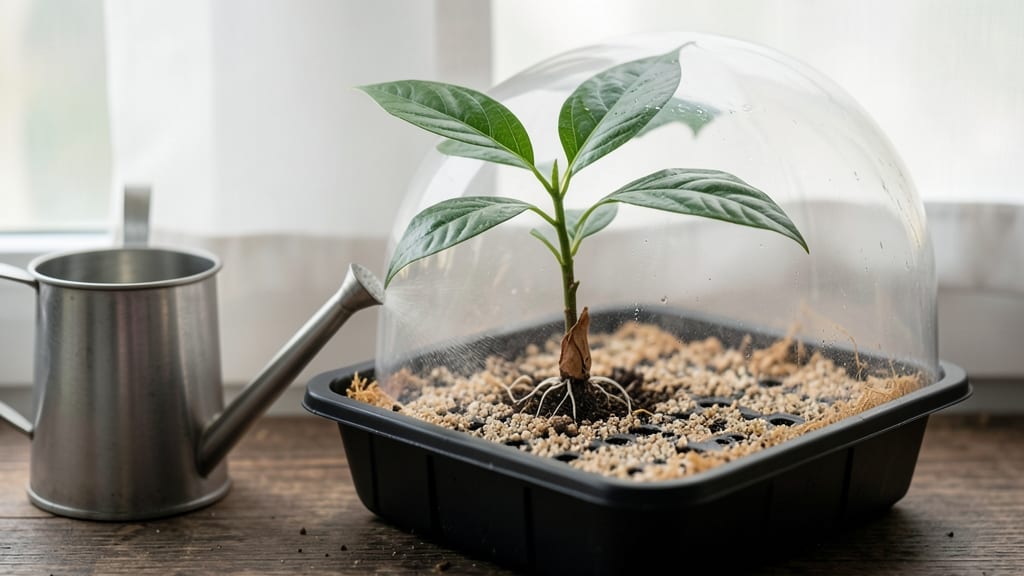
Growing a mango tree from mango seed growth is the ultimate patient gardener's reward—that first tropical leaf feels like a victory after months of waiting. 🌱 The key isn't rushing germination but creating the perfect cozy environment, whether you're starting indoors or outdoors.
I've learned the hard way that mango seeds need warmth, humidity, and consistency to break their dormancy, and I'm sharing exactly how to give them what they need.
You'll need just three supplies: a seed, a small pot with drainage, and a plastic bag to trap moisture. The real magic happens in the first 4-6 weeks, when the seedling emerges—often just a tiny root first, then a shoot.
Most people quit too soon; the trick is to keep the soil damp (not soggy) and warm (around 75°F) until you see green. Outdoor growers in zones 10-11 can plant directly after germination, while everyone else should wait until spring.
By the time your seedling hits 6 inches tall, you'll be pinching back new growth to encourage a sturdy trunk—this is where most beginner mistakes happen.
The first year is all about protecting it from cold drafts and overwatering; years 2-3 bring the real excitement as it starts flowering (though fruit may take 5-10 years with seed-grown trees).
That's right: patience pays off with a homegrown mango—if you can resist the urge to dig up the seedling every week to check its progress.
Here's the thing about mango seeds: they're finicky but not impossible. The biggest challenge is slow growth—some seeds take 3 months to sprout, and early seedlings grow just 1-2 inches per month. But once established, these trees thrive with minimal fuss.
Whether you're growing in a pot on your patio or planting in the ground, the journey from seed to sapling is what makes it special. Let's get those roots growing!
📚 In This Guide
- What you need
- Instructions
- Tips and common mistakes
- Wrapping up and next steps
What you need
- ● Mango seeds: 1–3 fresh, plump seeds (harvested from ripe mangoes within 24 hours for best results).
- ● Well-draining potting mix: 1 small pot (4–6 inches deep) filled with a blend of 50% coconut coir and 50% perlite or vermiculite (or a seed-starting mix).
- ● Spray bottle: For gentle watering (avoid over-saturating the soil).
- ○ Clear plastic bag or humidity dome: To create a mini greenhouse effect (optional but helpful).
- ○ Heat source (optional): A seedling heat mat (70–90°F) or sunny windowsill (south-facing preferred).
- ● Patience: Germination can take 2–6 weeks—keep the soil moist but not soggy!
- ● Warmth: Mango seeds thrive in 75–85°F soil temps. A kitchen counter near a sunny window works in a pinch.
- ● Space: Seedlings need 6+ hours of indirect sunlight daily as they grow.
- ● Fertilizer: Balanced liquid fertilizer (5-5-5) once leaves appear (dilute to half-strength).
- ● Grow lights: If natural light is limited (LED bulbs work great).
- ● Humidity tray: A shallow tray with pebbles and water to boost moisture.
Instructions for germinating mango seeds indoors
Here's how I turn a single mango pit into a thriving tropical sapling—no green thumb required.
🌱 Step 1: Extract and Prepare the Seed
Start with a fresh, plump mango pit—never dried or shriveled. I like to use ripe fruit because the seed is fully developed and more likely to germinate. Gently twist the pit free from the fruit, then scrub off any remaining flesh with warm, soapy water. Rinse thoroughly and let it air-dry completely for 24 hours—this prevents mold.
Use a sharp knife to carefully slice the pit lengthwise, removing the seed inside. The seed looks like a small, brown bean with a hard outer shell. Don’t worry if it’s still attached to some pit residue—just rinse it again. Place the seed between two paper towels and wrap it loosely. This keeps it hydrated without drowning it.
💧 Step 2: Soak and Monitor for Sprouting
Fill a shallow dish with lukewarm water—not hot, just comfortably warm to the touch. Submerge the wrapped seed so the towels are fully saturated but not floating. Let it soak for 5-7 days, changing the water every 48 hours to prevent bacterial growth. You’ll know it’s ready when you see a tiny white root pushing through the shell—usually on day 4 or 5.
Here’s the thing—I’ve seen seeds sprout in as little as 3 days if the conditions are perfect, but don’t stress if it takes a week. Keep the towels damp (not soggy) during this time. If mold appears, toss the seed and start fresh. A healthy seed will smell clean, not musty.
☀️ Step 3: Plant in Moist, Well-Draining Soil
Once the root is ½ inch long, it’s time to plant. Fill a 4-inch diameter pot with a mix of 50% potting soil and 50% perlite—this ensures drainage while retaining moisture. Make a small hole in the center, about 1 inch deep, and gently place the seed with the root pointing downward. Cover it lightly with soil, leaving the top half exposed.
Water gently until the soil is moist but not waterlogged. Place the pot in a warm spot with bright, indirect light—a south-facing window works well. Avoid direct sunlight at first; it can dry out the seed too quickly. You’ll see the first true leaves emerge in 2-4 weeks, signaling successful germination.
🌿 Step 4: Transition to Light and Care for the Sapling
After the first leaves appear, move the sapling to a sunny windowsill or under a grow light for 12-14 hours daily. Mango trees need bright light to grow strong, but avoid harsh afternoon sun initially—it can scorch tender new growth. Rotate the pot a quarter turn weekly so the stem grows straight, not leaning toward the light.
Water when the top inch of soil feels dry—about once every 5-7 days. Overwatering is the biggest killer of young mango seedlings. Use room-temperature water to avoid shocking the roots. Fertilize lightly with a balanced liquid fertilizer (10-10-10) once a month after 3 months of growth.
⏰ Step 5: Harden Off and Prepare for Outdoor Life
When your sapling reaches 12-18 inches tall and has 5-7 leaves, it’s ready for outdoor acclimation. Start by placing it outside in partial shade for 2 hours the first day, gradually increasing exposure over 2 weeks. This process, called hardening off, helps the plant adjust to wind, sun, and temperature fluctuations.
Once it tolerates full sun for a full day, you can transplant it to the ground—if you live in a USDA Zone 10 or warmer. In colder climates, keep it as a houseplant or move it to a greenhouse. Mango trees are tropical and won’t survive frost, so plan accordingly. With patience, your seedling could grow into a 20-foot tree in a decade!
Tips & tricks for stress-free mango seed germination
Turning a mango pit into a thriving sapling is easier than you think—once you know these game-changing details.
Seed Selection Matters: Not all mango pits are created equal. Choose fruit that's ripe but still firm when you cut into it—the seed inside should feel plump and fully developed. Avoid pits from overly soft or bruised fruit, as they're more likely to be underdeveloped or already starting to dry out. I've had the best success with varieties like Tommy Atkins or Keitt, which tend to have higher germination rates.
Soaking Strategy: The 5-7 day soaking period in Step 2 is your best chance to catch potential issues early. If you notice any black spots or fuzzy mold developing on day 3, don't wait—discard the seed immediately. Healthy seeds will develop a tiny white root between days 4-5, but if you see nothing after 7 days, try with a fresh pit. Pro tip: Use filtered water for soaking to avoid chlorine exposure, which can inhibit germination.
Planting Precision: When planting in Step 3, focus on getting the seed depth just right. The root should sit at exactly 1 inch deep—any deeper and it may suffocate, any shallower and it could dry out. I like to use a pencil to make the planting hole first, then gently tap the seed into place with my finger. The soil mix of 50% potting soil and 50% perlite is crucial—this balance prevents both root rot and dehydration, which are the two biggest killers of young seedlings.
Light Transition: The move from indirect to direct light in Step 4 requires patience. Start with just 2-3 hours of morning sun on the first day, then gradually increase. I've seen seedlings get sunburned when moved too quickly to full sun—look for pale or crispy leaf edges as warning signs. A grow light on a timer is a great investment if you don't have ideal window conditions, as it gives you precise control over the 12-14 hours of daily light your sapling needs.
Pro Tips for Mango Seed Growth
- Turning a mango pit into a thriving sapling is easier than you think—once you know these game-changing details.
- Seed Selection Matters: Not all mango pits are created equal.
- Soaking Strategy: The 5-7 day soaking period in Step 2 is your best chance to catch potential issues early.
Frequently asked questions
Got questions about growing a mango tree from seed? You’re not alone! Here are some of the most common queries—and their straightforward answers—to help you succeed.
How long does it take for a mango seed to sprout?
A mango seed typically takes 2 to 4 weeks to sprout after planting, depending on warmth and moisture. Keep the soil consistently damp (not soggy) and place it in a warm spot (70–85°F). Patience is key—some seeds may take longer, while others surprise you with early sprouts! If nothing happens after 6 weeks, the seed may not be viable.
Can I speed up germination?
Yes! To boost germination, try these tricks:
- Warmth: Use a seedling heat mat (75–85°F) or place the pot near a sunny window.
- Moisture: Mist the soil daily and cover the pot with plastic wrap to retain humidity.
- Soaking: Soak the seed in water for 24–48 hours before planting to soften the shell.
What’s the best soil mix for mango seed growth?
A well-draining, airy mix works best. Combine:
- 50% potting soil (lightweight and fertile)
- 30% perlite or vermiculite (for drainage)
- 20% sand or coconut coir (to prevent compaction)
Will my mango seedling grow into a fruit-bearing tree?
Most likely, no—but it’s not impossible! Mango trees grown from seed are not true to the parent variety and may take 5–10 years (or longer) to produce fruit. For guaranteed fruit, graft a known variety onto your seedling later. Even if it doesn’t bear fruit, the tree will be a stunning ornamental with glossy leaves and tropical vibes!
What if my seedling turns yellow or wilts?
Yellowing leaves or wilting often signal overwatering, underwatering, or pests. Check these fixes:
- Overwatering: Let the top inch of soil dry out between waterings.
- Underwatering: Increase humidity with a tray of water and pebbles.
- Pests: Inspect for aphids or fungus gnats. Wipe leaves with soapy water if needed.
- Light: Too little sun causes leggy growth—move to a brighter spot (but avoid harsh afternoon sun).
Can I grow a mango tree indoors?
Start indoors in a sunny window or under grow lights (12+ hours/day). Use a 4-inch pot and rotate the plant weekly for even growth. Once the seedling is 6–12 inches tall, transplant it outdoors in spring after the last frost. Mango trees thrive in USDA zones 10–11 but can be grown in containers in cooler climates with winter protection.
Wrapping up and next steps
Growing a mango tree from seed is a rewarding journey that brings a taste of the tropics right to your backyard! 🌱 With the right patience, care, and the steps outlined here—from selecting healthy seeds to nurturing your sapling—you’re well on your way to enjoying homegrown mangoes. Now’s the time to roll up your sleeves! Start by planting that seed today, and soon, you’ll be watching your little tree grow into a lush, fruit-bearing beauty.
🌟 Next Steps:
- Plant your seed—follow the germination guide and keep it cozy!
- Monitor progress—track growth milestones and adjust care as needed.
- Share your journey—tag us in your garden updates for extra motivation!