
Size
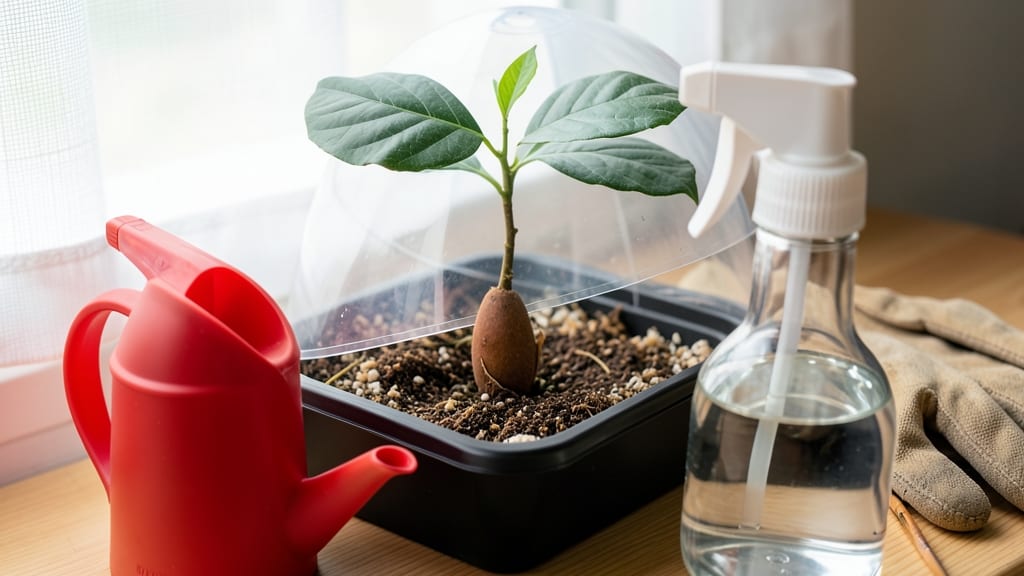
Growing a mango tree from a mango seed in your garden means years of patience—but the first green shoot makes it worth it. 🌱 The trick to success starts with the seed itself: skip the twisty pods and focus on plump, fresh seeds from a ripe fruit.
I’ve learned that even the most eager gardeners rush this step, only to watch their seeds rot instead of sprout.
You’ll need a small pot, well-draining soil mix, and a warm spot with bright, indirect light—whether that’s a sunny windowsill or a greenhouse. Plant the seed just below the soil surface, keep it consistently moist (not soggy), and expect germination in 2-4 weeks.
Most seeds take longer, so don’t give up if nothing happens in the first week.
The real magic happens when those first leaves unfurl—tiny and delicate, signaling life. Once your seedling has 3-4 sets of leaves, it’s ready to move to a larger pot or garden bed.
With proper care, it’ll grow into a sturdy tree, though fruit may take 5-10 years (if you’re lucky).
Outdoor growers in warm climates can transplant seedlings directly into the ground after the last frost, while indoor gardeners should keep them near a south-facing window. The key is consistency: water deeply but infrequently, and protect young plants from harsh winds or temperature swings. Patience pays off—literally.
📚 In This Guide
- What you need
- Instructions
- Tips and common mistakes
- Wrapping up and next steps
What you need
- ● Mango seeds: 3–5 fresh, plump seeds (preferably from a ripe, organic mango 🥭). Avoid seeds from hybrid or grafted varieties—they may not grow true to type.
- ● Well-draining potting mix: 2–3 gallons of a blend like cactus/succulent mix or a 50/50 ratio of peat moss and perlite. Avoid heavy garden soil.
- ● Small pots or containers: 4–6 3–4 inch diameter pots with drainage holes (or a seed tray with individual cells).
- ● Watering can or spray bottle: For gentle hydration without over-saturating the soil.
- ● Plastic wrap or humidity dome: To create a mini greenhouse effect while seeds germinate.
- ● Sunlight access: A south-facing window or a grow light (12–16 hours/day) for seedlings.
- ○ Seedling heat mat (optional): Keeps soil warm (75–85°F) to speed up germination.
- ● Fertilizer: A balanced liquid fertilizer (10-10-10) or fish emulsion (diluted to half-strength) for young plants.
- ● Pruning shears: For trimming leggy seedlings or future shaping.
- ● Larger pots (6–12 inches): For transplanting seedlings once they outgrow their starter pots.
- ● Mulch or bark chips: To retain moisture and regulate soil temperature in outdoor settings.
Step-by-Step instructions for growing mango trees from seeds
Here's how to turn a store-bought mango into a thriving young tree—no fancy equipment needed.
🌱 Step 1: Extract and Prepare the Seed
Start with a fresh, ripe mango—never one that's been refrigerated or left on the counter too long. Cut the fruit in half lengthwise and twist gently to separate the two halves. Inside, you'll find a large, flat seed encased in a fibrous pod. Remove the seed carefully, keeping as much of the surrounding pod intact as possible.
Here's the thing—most people make the mistake of trying to plant the seed with the pod still attached. Instead, peel away the outer fibrous layer until you expose the smooth, brown seed inside. Rinse it under cool water to remove any remaining pulp, then let it dry completely for 24 hours on a paper towel. This prevents rot when you're ready to plant.
💧 Step 2: Soak the Seed for Faster Germination
Fill a small bowl with lukewarm water (about 80°F) and place the dried seed inside. Let it soak for 3-5 days, changing the water daily. You'll know it's ready when you see a tiny white root (called a radicle) emerge from one end. This usually happens within 3-7 days.
Don't skip this step—I learned the hard way that dry seeds can take months to germinate. The soaking softens the hard outer shell and kickstarts growth. Once the root reaches about ½ inch, it's time to plant. Handle the seed gently now; even a slight bend can damage the delicate root.
🪴 Step 3: Plant in a Light, Well-Draining Mix
Use a small pot (about 4-6 inches wide) with drainage holes. Fill it with a mix of 50% potting soil and 50% perlite or coarse sand. This ensures good drainage—mango seeds rot easily if left too wet. Moisten the mix lightly until it feels like a damp sponge.
Plant the seed with the root pointing downward, about 1 inch deep. Gently press the soil around it, but don't pack it down tightly. Place the pot in a warm spot (around 70-80°F) with bright, indirect light. A sunny windowsill works well, but avoid direct midday sun, which can overheat the soil.
☀️ Step 4: Provide Warmth and Monitor Growth
Keep the soil consistently moist but never soggy. Water lightly whenever the top ½ inch feels dry. Within 2-4 weeks, you should see the first true leaves emerge from the soil. This is your signal that germination is successful. Once the seedling reaches about 6 inches tall, it's time to transplant it into a larger pot (about 8-10 inches wide).
Here's where most beginners go wrong: they move the seedling outside too soon. Wait until nighttime temperatures stay above 55°F consistently. If you live in a colder climate, keep it indoors under a grow light until spring. You'll notice the leaves darken and grow larger as the plant adjusts to its new environment.
⏰ Step 5: Transition to Outdoor Conditions Gradually
Once the seedling is 12-18 inches tall and has at least 5-6 leaves, it's ready for outdoor acclimation. Start by placing it in a sheltered spot (like a patio or balcony) for 2-3 hours the first day. Gradually increase exposure over 7-10 days, moving it to a sunnier location each time.
Watch for signs of stress—wilting or yellowing leaves mean it's getting too much sun too soon. Mango trees love full sun (6+ hours daily), but they need time to adjust. Once it's spending full days outside without wilting, it's ready for a permanent outdoor spot. Choose a location with well-draining soil and protection from strong winds.
Tips & tricks for growing mango trees from seeds
Took me years of trial and error to figure out these essential tricks for growing a mango tree from seed—here's how to avoid the common pitfalls.
Seed Preparation: When removing the fibrous pod in Step 1, use a sharp knife to carefully slice away the outer layer rather than peeling it by hand. This prevents accidentally damaging the seed underneath. After rinsing, pat the seed dry with a paper towel and place it on a mesh screen for the 24-hour drying period—this allows airflow on all sides and prevents moisture buildup that could cause rot.
Soaking Strategy: The 3-5 day soaking period in Step 2 is crucial, but don't use cold water—lukewarm water (around 80°F) mimics tropical conditions and speeds up germination. Change the water daily to prevent bacterial growth. I've found that placing the bowl in a warm spot (like near a sunny window or under a heat lamp) can cut germination time by 2-3 days. Watch for the radicle to emerge—this tiny white root is your signal that planting time is near.
Planting Depth: In Step 3, planting the seed only 1 inch deep is perfect for mango seeds—any deeper and it may struggle to break through the soil. Use your finger to create a small hole, then gently place the seed with the root pointing downward. Press the soil lightly around it, but don't compact it. This prevents air pockets that could hinder root development. A small pot (4-6 inches wide) gives the seedling enough space without overwhelming it at this early stage.
Lighting Transition: The gradual outdoor transition in Step 5 is where most seedlings fail. Start with just 2-3 hours of morning sun on the first day—this helps the plant adjust to UV exposure without shock. I've seen seedlings that were moved too quickly develop brown spots on leaves within hours. If you notice wilting, move the plant back to shade immediately and wait another day before trying again. The goal is to build tolerance over 7-10 days, not rush the process.
Pro Tips for Mango Seed Grow A Garden
- Took me years of trial and error to figure out these essential tricks for growing a mango tree from seed—here's how to avoid the common pitfalls.
- Seed Preparation: When removing the fibrous pod in Step 1, use a sharp knife to carefully slice away the outer layer rather than peeling it by hand.
- Soaking Strategy: The 3-5 day soaking period in Step 2 is crucial, but don't use cold water—lukewarm water (around 80°F) mimics tropical conditions and speeds up germination.
Frequently asked questions
Got questions about growing a mango tree from seed? You’re not alone! Here are some of the most common queries—plus quick, no-fuss answers to get your garden started right.
How long does it take for a mango seed to sprout?
A mango seed typically sprouts within 10–20 days if kept moist and warm (around 70–85°F). If nothing happens after 30 days, gently check for rot—discard soggy seeds and try again with fresh ones. Patience is key!
Can I grow a mango tree indoors first?
Start your seedling in a bright, sunny spot (south-facing window or grow light) until it’s 12–18 inches tall. Use a pot with drainage holes and keep soil consistently moist. Once temperatures stay above 50°F at night, transplant it outdoors.
Will my mango tree survive winter?
Mango trees are tropical and need protection in cold climates (below 40°F). Grow them in containers for easy winter moves, or plant in a sheltered microclimate. If outdoors, mulch heavily and wrap the trunk with burlap for extra warmth.
Why isn’t my mango seedling growing leaves?
Slow growth or no leaves often mean low light, overwatering, or poor soil. Move your seedling to a sunnier spot, let the top inch of soil dry between waterings, and use well-draining potting mix. Yellow leaves? Drainage might be the issue—repot if needed!
Can I use any mango seed, or do I need a special variety?
Most grocery-store mango seeds won’t produce fruit identical to the parent due to cross-pollination. For reliable fruit, buy seeds from a known variety (like ‘Keitt’ or ‘Haden’) from a nursery. Save seeds from heirloom or organic mangoes for unique surprises!
Wrapping up and next steps
Growing a mango tree from seed is a rewarding journey that combines patience, creativity, and a touch of tropical magic! 🌱 With the right techniques—like twisting-free pods and proper care—you can nurture a thriving plant that may even bear fruit someday.
Whether you're a seasoned gardener or a beginner, this project is a fantastic way to connect with nature and watch life grow right before your eyes.
Ready to take the next step? Start by selecting your favorite mango, gather your supplies, and dive into the process. Share your progress with fellow plant enthusiasts or gift your new sapling to a friend—because great things grow from small seeds! 🌟