
Lawn
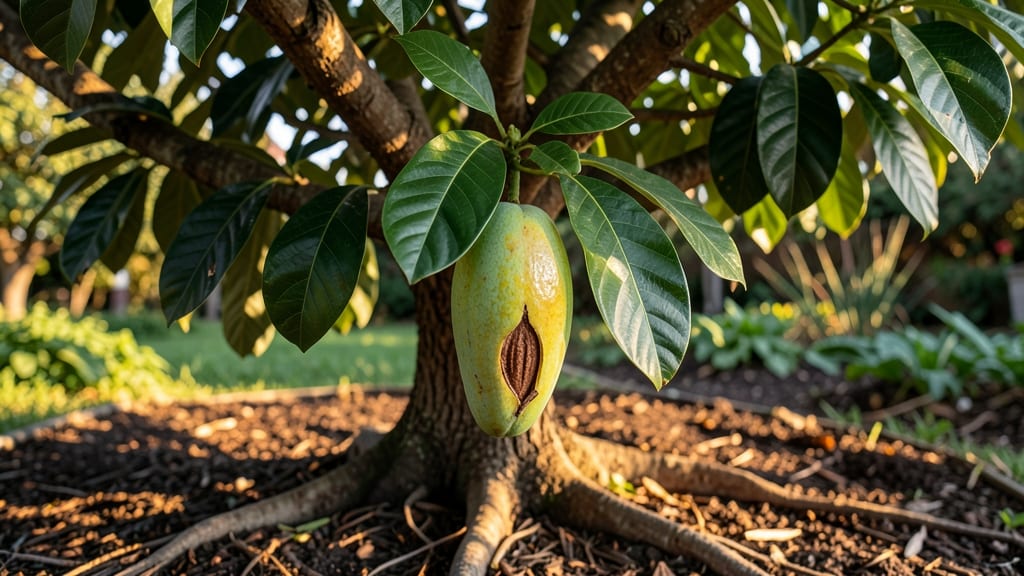
That mango seed pod in your hand could grow into a tree with glossy leaves and fragrant blossoms—if you crack the germination code right. 🌱 I’ve turned store-bought mango pits into thriving seedlings, and the secret isn’t complicated: it’s all about moisture, warmth, and patience.
Most people rush the process and end up with a moldy pit, but with the right approach, you’ll see tiny roots breaking through in just 2-3 weeks.
The trick starts with preparing the pit—no fancy tools needed. Just scrape off the fibrous flesh, let it dry for a day, then wrap it in a damp paper towel inside a sealed plastic bag.
Place it in a warm spot (like near your fridge or under a heat lamp), and check weekly for sprouts. This method mimics tropical humidity without the guesswork, and it works even if you’re growing indoors by a sunny window.
By the time your seedling has 3-4 inches of roots, it’s ready to transplant into soil. That’s when the real magic happens—watch as it grows into a lush, tropical-looking sapling with compound leaves.
With proper care, you’ll have a 10-foot tree in 3-5 years, though fruit production takes 5-7 years (and yes, it will bear fruit, though store-bought varieties may not match the parent’s flavor).
This works for year-round growing—indoors as a houseplant or outdoors in zones 10-11. Even in colder climates, you can overwinter it in a pot. The key is consistency: keep the soil moist but not soggy, and give it 6+ hours of sunlight daily.
Mistakes? Overwatering kills seedlings faster than anything else, so let the top inch dry between waterings.
📚 In This Guide
- What you need
- Instructions
- Tips and common mistakes
- Wrapping up and next steps
What you need
- ● Mango seed pods: 3–5 fresh, plump pods (harvested from ripe, organic mangoes for best viability). Pro tip: 🌡️ Avoid overripe or cracked pods—they spoil faster!
- ● Sharp knife or pruning shears: 1 pair (for clean pod extraction). Safety first!
- ● Paper towels or coir mats: 2–3 sheets (for drying seeds).
- ○ Small plastic bags or airtight containers: 2–3 (with tiny holes for airflow). Optional: Label them!
- ● Potting mix: 1 bag (well-draining, seed-starting blend).
- ● Small pots or seed trays: 4–6 (3–4 inch diameter). Reusable containers work too!
- ● Spray bottle: 1 (for gentle watering).
- ● Clear plastic wrap or humidity dome: 1 sheet (to retain moisture).
- ● Grow lights or sunny windowsill: Access to 6+ hours of indirect light daily.
- ● Seed germination accelerator: 1 bottle (speeds up sprouting).
- ● pH testing kit: 1 (to check soil acidity, ideal: 5.5–6.5).
- ● Fertilizer (balanced, low-nitrogen): 1 small container (for later stages).
- ● Notebook or app: 1 (to track seed progress and conditions).
Step-by-Step instructions for harvesting and germinating mango seeds
Here’s how to extract and prepare mango seeds for planting—no twisting required and no wasted effort.
🍈 Step 1: Select and Extract the Seed Pod
Choose a fully ripe mango with a deep red or yellow hue and slightly soft skin. Cut it open lengthwise to reveal the large, flat seed encased in a fibrous pod. I always look for seeds that feel firm and heavy—soft or hollow ones won’t germinate. Use a sharp knife to carefully separate the seed from the surrounding fruit pulp, avoiding any damage to the seed coat.
Rinse the seed under cool water to remove all traces of pulp, then pat it dry with a paper towel. The goal here is cleanliness—any leftover fruit can attract mold or pests. Place the seed on a clean towel to air-dry for 24 hours before moving to the next step. This drying process prevents rot and prepares the seed for germination.
🌱 Step 2: Prepare the Seed for Germination
Here’s the thing—mango seeds need a little encouragement to break dormancy. After drying, wrap the seed in a damp paper towel, folding it so the seed is snug but not compressed. Place the wrapped seed in a sealed plastic bag and store it in a warm, dark spot like a cupboard or pantry. I keep mine near the oven where it stays around 75-80°F—this mimics tropical conditions and speeds up germination.
Check the seed every 2-3 days, misting the towel if it feels dry to the touch. You’ll see tiny roots emerge in 7-14 days, signaling it’s ready for planting. If the seed starts to smell musty or mold appears, discard it and try another—this means the moisture level was too high.
☀️ Step 3: Plant the Germinated Seed
Once roots appear, fill a 4-inch diameter pot with well-draining potting mix (avoid garden soil—it’s too dense). Make a 1-inch deep hole in the center and gently place the seed so the roots point downward. Cover the seed lightly with soil, pressing down just enough to secure it without compacting.
Water the soil until it’s evenly moist but not soggy—think of it as damp, not dripping. Place the pot in a warm, bright spot with indirect light (like an east-facing window) for the first week. Direct sunlight now will scorch the delicate seedling. You’ll see the first true leaves appear in 2-4 weeks, but don’t rush—patience here prevents leggy, weak growth.
🪴 Step 4: Transplant and Care for Young Seedlings
When the seedling reaches 6 inches tall with 4-5 true leaves, it’s time to transplant. Choose a 6-8 inch pot with drainage holes and fill it with fresh potting mix. Dig a hole slightly larger than the root ball, place the seedling in, and backfill with soil, pressing gently to remove air pockets.
Water thoroughly after transplanting, then reduce watering to once a week (or when the top inch of soil feels dry). Mango seedlings thrive in full sun (6+ hours daily), so move them outdoors gradually over 10-14 days to avoid shock. Watch for yellowing leaves—this usually means too much water or not enough light. Adjust accordingly.
Tips & tricks for perfect mango seed germination
Real talk: Growing mango trees from seed isn't rocket science, but these little details make all the difference between a thriving plant and a sad, moldy experiment.
Selection Tip: In Step 1, don't just grab any mango—look for ones with a deep red or yellow hue and slightly soft skin. These are the ripest and most likely to contain viable seeds. I've ruined three batches using underripe mangoes before learning this lesson. Also, tap the seed gently—it should feel solid and heavy, not hollow or light. That's your first quality check.
Germination Hack: For Step 2, I've found that using two paper towels instead of one creates better airflow around the seed. Place the seed between the first towel, then fold the second towel around it loosely. This prevents the seed from sitting in too much moisture while still keeping it damp enough to germinate. The goal is that damp-but-not-soggy feeling when you check it.
Temperature Matters: Those 75-80°F instructions aren't arbitrary—they're critical. If your kitchen runs cooler, try placing the bag near a sunny window (but not in direct sunlight) or use a seedling heat mat set to low. I once tried germinating mine in a 65°F room and waited three weeks for roots to appear. Don't make my mistake: warm conditions speed up germination from 7-14 days to as little as 5-7 days.
Planting Precision: When you reach Step 3, that 1-inch deep hole is crucial. Planting too shallow can expose the seed to temperature fluctuations, while planting too deep makes it harder for the seedling to push through the soil. I use a pencil to mark the depth before planting—it's a simple trick that prevents guesswork. Also, gently press the soil around the seed rather than packing it down tightly.
Pro Tips for Mango Seed Pod
- Real talk: Growing mango trees from seed isn't rocket science, but these little details make all the difference betwe...
- Selection Tip: In Step 1, don't just grab any mango—look for ones with a deep red or yellow hue and slightly soft ski...
- Germination Hack: For Step 2, I've found that using two paper towels instead of one creates better airflow around the...
Frequently asked questions
Got questions about mango seed pods?
You’re not alone! Here are some of the most common queries—and their answers—to help you grow healthy, twist-free mango seedlings year-round.
Can I grow a mango tree from any mango seed pod?
Not all mango seed pods will sprout successfully. Choose seeds from ripe, organic mangoes (avoid hybrid or treated fruits). The seed should be firm, plump, and free of cracks. Hybrid varieties may not grow true to the parent fruit, so opt for heirloom or locally adapted mango types for the best results.
How long does it take for a mango seed pod to sprout?
Patience is key! Under ideal conditions (warmth, moisture, and indirect light), a mango seed pod typically sprouts within 2–4 weeks. If you don’t see signs of life after 6 weeks, the seed may be non-viable. Keep the soil consistently moist (but not soggy) and maintain temperatures above 70°F (21°C) for best success.
What’s the best way to remove a mango seed pod without twisting it?
Twisting can damage the seed or its delicate root. Instead, use a clean, sharp knife to carefully slice the pod open along its seam. Gently pry the two halves apart—no force needed! For stubborn pods, soak them in warm water for 10–15 minutes to soften the fibers first. Pro tip: Wear gloves to avoid staining from mango sap!
Can I plant a mango seed pod directly in the ground?
Direct planting is risky unless you live in a tropical or subtropical climate with year-round warmth. Most gardeners start seeds indoors in biodegradable pots or moist paper towels for 4–6 weeks to establish roots. Once seedlings are 4–6 inches tall, transplant them outdoors after the last frost and in well-draining soil.
What if my mango seed pod moldy or rotting?
Mold or rot usually means the seed is too damp or the pod wasn’t dried properly. If you notice fuzzy growth or a foul smell, discard the seed immediately. To prevent this, pat the seed dry after cleaning, and avoid overwatering. For extra protection, treat the seed with a fungicide spray (like neem oil) before planting.
Are there alternatives to growing from a seed pod?
Yes! If you’re eager for a faster-growing mango tree, consider grafting (a method used by commercial growers) or purchasing a nursery-grown sapling from a reputable source. Grafting ensures the tree will bear fruit true to the parent variety, while seed-grown trees may take 5–10 years to produce fruit—and it might not match the original mango’s taste!
Wrapping up and next steps
Growing mango seed pods is a rewarding journey that connects you to nature’s sweet surprises! 🌱 Whether you’re a gardening novice or a seasoned green thumb, these twist-free techniques ensure your seeds stay viable all year. Start small—plant one pod, nurture it with patience, and watch your tropical oasis bloom.
Ready to take the next step? Experiment with different soil mixes or try growing multiple pods to compare results. Share your progress with fellow gardeners—your success might inspire others to grow their own mango magic! 🌟