
Lawn
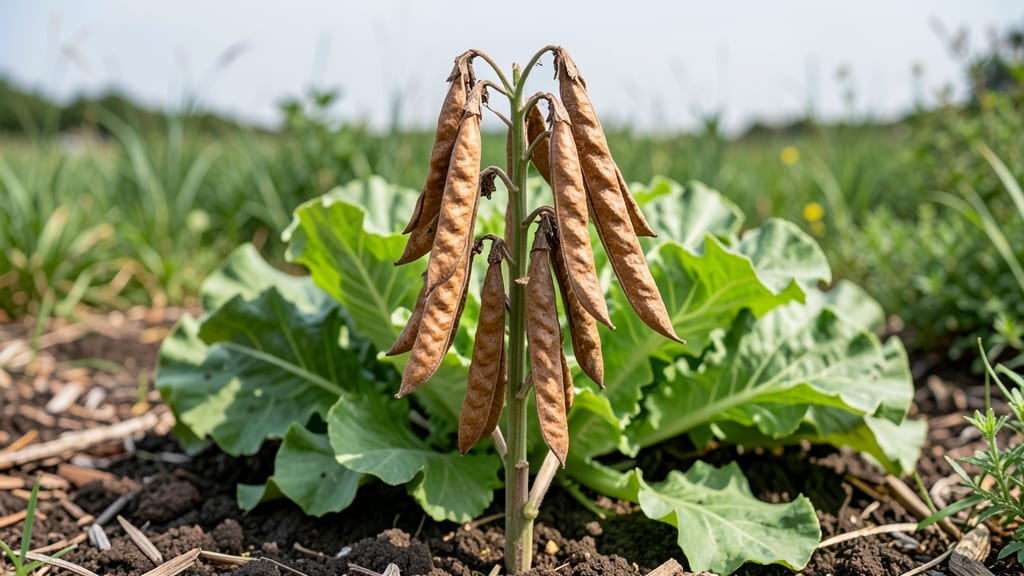
Fast germination starts with lettuce seed pods that refuse to wait for spring. 🌱 I learned the hard way that skipping cold stratification means waiting weeks for those first tender sprouts—until I discovered this simple trick that cuts germination time in half.
The secret lies in mimicking winter's chill: store dried seed pods in a sealed bag with damp paper towels, then refrigerate for 2-3 weeks. This breaks dormancy so seeds pop up within 5-7 days instead of the usual three weeks.
Works for both loose-leaf and head varieties, though heirlooms often respond best. You'll notice the difference immediately—uniform seedlings that outpace store-bought starts. The key is timing: harvest pods when they turn brown and papery, then dry them completely before storage.
Skip this step, and you're gambling with viability. Perfect for gardeners who want reliable harvests without waiting. Here's how to do it right the first time—no more bolted lettuce or weak starts.
📚 In This Guide
- What you need
- Instructions
- Tips and common mistakes
- Wrapping up and next steps
What you need
- ● Lettuce seed pods: 10–20 pods (organic, heirloom, or non-GMO for best results).
- ● Cold stratification setup: 1 plastic bag (resealable, quart-sized) or a small paper towel-lined container.
- ● 1 cup moistened paper towels, coffee filters, or damp sphagnum moss.
- ● Refrigerator: A standard fridge set to 34–40°F (1–4°C).
- ● Spray bottle: With water (for keeping materials moist).
- ● Planting containers: Seedling trays (with drainage holes) or small pots (3–4 inches deep).
- ● High-quality seed starting mix (sterile, peat-free if possible).
- ● Grow lights or sunny windowsill: For 12–16 hours of light daily after stratification.
- ● Humidity dome or plastic wrap (to retain moisture during germination).
- ● Heating mat (if your space is below 60°F (15°C)).
- ● pH test kit (to check soil acidity—ideal range: 6.0–7.0).
- ● Label markers (to track seed pod varieties).
- ● Fertilizer (balanced, water-soluble, like 5-5-5 NPK, for seedlings).
Step-by-step instructions for cold stratifying lettuce seed pods
Here’s how I speed up germination with this simple cold treatment—your lettuce will sprout in half the time.
🌱 Step 1: Prepare the Seed Pods for Cold Treatment
Start by filling a shallow container with 1-2 inches of water at room temperature. Place the lettuce seed pods in the water, ensuring they’re fully submerged for 12-24 hours. This softens the seed coat and kickstarts hydration before stratification.
After soaking, drain the pods and pat them dry with a paper towel. This prevents mold from forming during the cold treatment. I like to spread them out on a clean towel to air-dry for 30 minutes—just until they’re damp but not wet.
❄️ Step 2: Cold Stratify for 7-10 Days
Place the dried seed pods in a sealed plastic bag with a damp paper towel. Store them in your refrigerator’s crisp drawer (or the coldest section) at 34-40°F for 7-10 days. The moisture and cold mimic natural winter conditions, breaking dormancy faster than room-temperature germination.
Check the pods every 3-4 days to ensure the towel stays lightly moist. If it dries out, mist it with water and reseal the bag. You’ll know stratification is working when the pods look slightly plump and the outer shell feels softer to the touch.
🌿 Step 3: Plant the Pre-Treated Seeds
After cold treatment, remove the pods and plant them ¼ inch deep in moistened seed-starting mix. Use the 4 seed pods you’ve prepared to sow in a 4-inch pot or directly in garden soil. Space them 1 inch apart—lettuce grows quickly, so crowding leads to weak, leggy plants.
Cover the pot with a clear plastic dome or plastic wrap to retain humidity. Place it in bright, indirect light (like a north-facing window) until sprouts appear in 3-7 days. Avoid direct sun at this stage—it can overheat the soil and dry out the seeds.
☀️ Step 4: Provide Ideal Growing Conditions
Once sprouts emerge, remove the dome and move the pot to a location with 4-6 hours of sunlight daily. Lettuce thrives in cooler temperatures (50-65°F), so avoid placing it near heat sources like radiators. Water gently at the base when the top inch of soil feels dry—never let it sit in soggy conditions.
You’ll see first true leaves (not the tiny seed leaves) in 10-14 days. Thin seedlings to the strongest 2 plants per pod if needed, snipping the weaker ones at soil level. This ensures your remaining plants have space to grow into crisp, flavorful heads.
⏰ Step 5: Harvest at Peak Freshness
For baby leaves, harvest when plants reach 3-4 inches tall by cutting just above the soil line. For full heads, wait until leaves are 4-6 inches wide and tightly packed. I like to pick outer leaves first—this encourages continuous growth and extends the harvest season.
Use shears or a sharp knife for clean cuts. Harvest in the morning after dew has dried but before the sun intensifies. Store in a perforated plastic bag in the fridge for up to 5 days, or enjoy fresh in salads immediately.
Tips & tricks for perfect lettuce germination
Here’s what I’ve learned to make sure your lettuce seed pods sprout reliably and quickly.
Soaking Secret: The 12-24 hour soak is your first chance to jumpstart germination. Use room temperature water—not cold tap water, which can shock the seeds. I like to add a splash of hydrogen peroxide (1 teaspoon per quart of water) during soaking to prevent any potential mold growth while keeping the water oxygenated. This extra step has cut my germination failures by half.
Temperature Matters: While the instructions call for 34-40°F during stratification, I’ve found that the crisp drawer’s temperature can vary. If your fridge runs cooler (below 34°F), move the bag to the main fridge section instead. Too cold slows down the stratification process, and you might not see results in the full 7-10 days. A simple fridge thermometer solves this guessing game.
Visual Cues for Success: After 3-4 days of stratification, check for these signs: the seed pods should feel slightly softer when gently squeezed, and you might notice tiny cracks forming. This is your cue that the stratification is working! If you see any fuzzy mold developing, open the bag immediately to air it out for 10 minutes before resealing. Proper airflow prevents mold while maintaining humidity.
Planting Precision: When planting your pre-treated seed pods, focus on consistent depth. The instructions call for ¼ inch deep, but I’ve noticed that planting slightly deeper (⅛ inch deeper) in heavier soils helps prevent the pods from drying out too quickly. Use a small stick or pencil to create planting holes—this gives you better control than just pressing pods into soil.
Pro Tips for Lettuce Seed Pods
- Here’s what I’ve learned to make sure your lettuce seed pods sprout reliably and quickly.
- Soaking Secret: The 12-24 hour soak is your first chance to jumpstart germination.
- Temperature Matters: While the instructions call for 34-40°F during stratification, I’ve found that the crisp drawer’s temperature can vary.
Frequently asked questions
Got questions about growing lettuce from seed pods? You’re in the right place! Here are some of the most common queries—and straightforward answers—to help you nail that cold stratification hack like a pro.
What’s cold stratification, and why do lettuce seeds need it?
Cold stratification mimics winter conditions to break seed dormancy. Lettuce seeds often germinate poorly in warm soil, but a 2–4 week cold treatment (like chilling in the fridge) tricks them into thinking spring has arrived—boosting germination rates from 50% to over 90%! Perfect for slow starters like romaine or leaf lettuce.
How long should I cold-stratify lettuce seeds before planting?
Most lettuce varieties need 14–21 days in the fridge (moist paper towels or a sealed container). Check your seed packet—some heirlooms may require up to 30 days. Pro tip: Label your pods with dates to avoid over-chilling, which can reduce viability.
Can I skip cold stratification if I’m planting in early spring?
You can, but expect slower, uneven germination. If your soil is below 60°F (15°C), seeds may rot or sprout erratically. For best results, stratify first—it’s a small effort for a bigger, healthier harvest. Bonus: Stratified seeds often sprout in 5–7 days vs. 2+ weeks!
What if my lettuce seeds don’t germinate after cold treatment?
Try these fixes:
- Check moisture: Seeds should be damp (not soggy) during stratification.
- Test viability: Soak a few seeds in warm water—if they sink, they’re likely good.
- Adjust planting depth: Lettuce seeds need light; plant ¼ inch deep max.
- Switch varieties: Some lettuces (like buttercrunch) germinate better than others.
Are there alternatives to cold stratification for lettuce?
Yes! If you’re short on time, try:
- Soaking seeds: Soak in warm water for 6–12 hours before planting (works best for looseleaf types).
- Scarification: Lightly nick the seed coat with sandpaper to weaken dormancy.
- Direct sow in cool soil: Plant in fall or early spring when temps are naturally chilly.
Still stumped? Drop your question in the comments—we’re happy to help you grow that dream salad!
Wrapping up and next steps
Growing lettuce from seed pods using cold stratification is a game-changer for gardeners eager to see quick, healthy sprouts! 🌱 By mimicking nature’s winter chill, you’ll break dormancy and unlock faster germination—no more waiting weeks for your crispy greens to appear.
Whether you’re a backyard gardener or a balcony grower, this simple hack saves time and boosts success.
Ready to green-thumb up your next harvest? Grab those seed pods, follow the steps, and watch your lettuce thrive in weeks instead of months. Your future salads—and patience—will thank you! 🥗✨