
Lawn
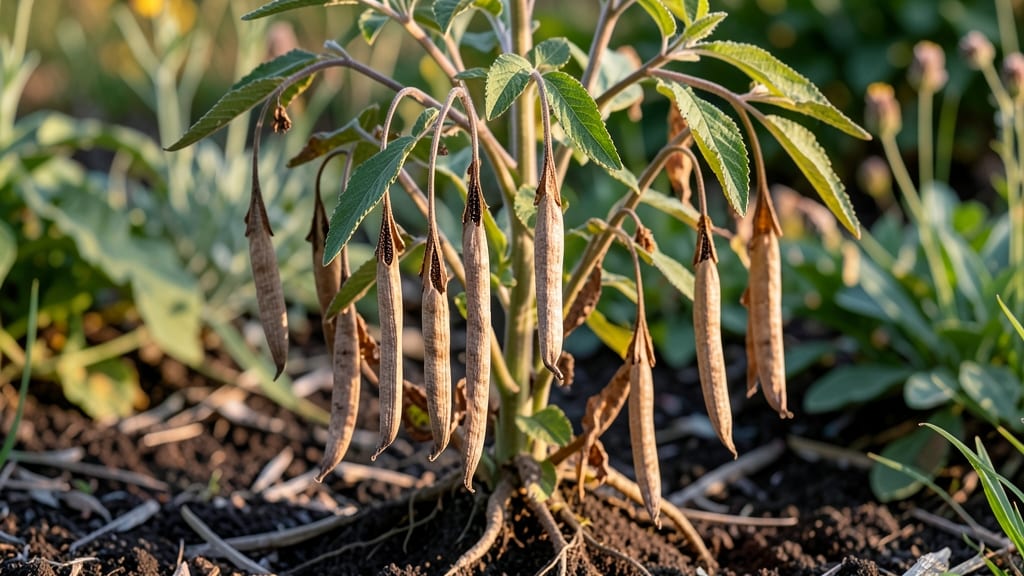
Twisting open snapdragon seed pods reveals the secret to next season’s vibrant blooms—dried snapdragon seed pods are your ticket to free, heirloom-quality flowers. 🌸 I’ve saved seeds from my own garden for years, and the trick isn’t just drying them right—it’s knowing when they’re ready and how to store them so they stay viable for planting.
The best pods are the ones that naturally twist open when mature, revealing plump, dark seeds inside. Harvest them on a dry day, then spread them out in a single layer on paper towels or a mesh screen.
Keep them in a warm, dry spot for 1-2 weeks until completely dry—no moisture means no mold, and that’s how you preserve those seeds for years.
Once dry, store the pods in a sealed envelope or jar with a silica packet to absorb any lingering dampness. Label them with the variety and date, then tuck them away in a cool, dark place.
When spring rolls around, you’ll have seeds ready to grow bold, colorful snapdragons that outshine anything from a store-bought packet.
Bonus: Use the dried pods themselves in winter arrangements—their unique shapes add texture and a rustic charm. It’s gardening with a double payoff: beauty now and a head start on next year’s garden.
📚 In This Guide
- What you need
- Instructions
- Tips and common mistakes
- Wrapping up and next steps
What you need
- ● Mature dried snapdragon seed pods: Collect at least 10-15 pods (more if testing a variety of plants). Ensure they’re fully dried, brown, and crisp to the touch.
- ● Paper towels or coffee filters: 2-3 sheets to create a moist, sterile testing environment.
- ● Spray bottle with water: A fine-mist setting to lightly dampen (not soak) the paper towels.
- ● Clear plastic bag or airtight container: Small enough to hold the pods and paper towels snugly (e.g., a ziplock bag or a mason jar with a lid).
- ● Pencil or fine-tip marker: For labeling your pods (e.g., date, variety, or location).
- ● Notebook or spreadsheet: To track germination progress over 2-4 weeks.
- ● Seedling trays or small pots: For transplanting viable seeds after testing.
- ● Heating pad or warm spot: To mimic spring conditions (e.g., near a sunny window or on top of a fridge).
- ● Garden journal or camera: To document the pods’ condition before and after the test.
- ● Hair dryer (cool setting): To speed-dry pods if they’re still slightly damp when collected.
Step-by-Step guide to testing snapdragon seed pod viability
Here’s how I check if last year’s snapdragon pods will grow next season—no guesswork.
🌱 Step 1: Harvest and Dry the Seed Pods Properly
Wait until pods turn from green to a papery brown color—this means they’re fully mature and ready to collect. I twist the pods gently between my fingers until they open easily, then place them in a single layer on a screen or paper towel. Store them in a cool, dry spot (like a paper bag) for 2-3 weeks until completely crisp.
If pods feel damp or moldy at any point, toss them—they won’t germinate. The goal is dryness, not haste. You’ll know they’re ready when a pod snaps cleanly when bent, not squishes.
💧 Step 2: Perform the Twist Test for Viability
Take a single dried pod and hold it between your thumb and forefinger. Twist firmly—if it cracks open with a pop and releases seeds easily, those seeds are likely viable. If the pod resists or crumbles without seeds, it’s spent. I test 5-10 pods from different flowers to get an accurate read.
Real talk: Some pods may look good but fail the test. That’s normal—snapdragons don’t always set seed perfectly. But if 70% or more pass, you’ve got a winner.
☀️ Step 3: Store Viable Seeds for Planting Next Season
Empty the seeds from passing pods into a small envelope or jar. Label it with the variety and harvest date—snapdragon seeds stay viable for 2-3 years, but fresh is always best. Store them in a cool, dark place (like a fridge) to preserve moisture and prevent mold.
Don’t overpack the container—seeds need airflow. A pinch in your palm should feel loose, not compressed. If you’re saving seeds for long-term storage, add a silica gel packet to absorb excess moisture.
🌿 Step 4: Test a Few Seeds Before Full Planting
Before committing to sowing all your saved seeds, plant 3-5 in a small pot with seed-starting mix to confirm germination. Moisten the soil, press seeds ¼ inch deep, and cover lightly. Keep them warm (70-75°F) and moist until sprouts appear in 7-14 days.
If germination is slow or patchy, your seeds may need a cold stratification period (place them in the fridge for 2 weeks before planting). Snapdragons are finicky—this step saves heartache later.
⏰ Step 5: Plant Confirmed Viable Seeds in Spring
Once you’ve confirmed viability, sow seeds ¼ inch deep in well-draining soil. Space them 12 inches apart—snapdragons don’t like crowding. Water gently but don’t soak the soil; dampness, not saturation, is key. Thin seedlings to the strongest 3-4 per pot when they’re 2 inches tall.
Here’s the thing—snapdragons grown from saved seeds often bloom later than store-bought varieties. But the payoff? Unique colors and heights you won’t find in seed racks.
Tips & tricks for perfect snapdragon seed viability testing
Testing snapdragon seed viability doesn't have to be a guessing game—these tricks will help you maximize your chances of success with last year's pods.
Timing is Everything: The 2-3 week drying period in Step 1 is non-negotiable. I learned this the hard way after trying to rush the process—pods that aren't completely crisp will develop mold and ruin your seeds. Place them in a well-ventilated area where they can dry evenly, like a mesh screen over a paper towel. If your climate is humid, consider using a small fan on low to speed up drying while preventing mold.
The Twist Test Technique: When performing the twist test in Step 2, focus on the sound and feel. A good pod should make a distinct "pop" sound when it cracks open, accompanied by a satisfying release of seeds. If you're testing multiple pods, keep a tally—aim for at least 70% passing to consider your batch viable. I've found that pods from the center of the flower tend to be more reliable than those from the edges.
Storage Secrets: For long-term storage in Step 3, I recommend using small, resealable envelopes rather than jars. The paper absorbs excess moisture better, and you can label each envelope with the variety and harvest date. If you're storing seeds for more than a year, add a silica gel packet to the envelope to prevent moisture buildup. Store them in the vegetable crisper of your fridge for optimal conditions.
Cold Stratification Hack: If your germination test in Step 4 shows slow results, try this cold stratification trick: place your seeds in a sealed container with a damp paper towel, then refrigerate for 2 weeks before planting. This mimics winter conditions and can significantly improve germination rates for snapdragons, which are native to cooler climates. Just make sure to keep the seeds moist but not soggy during this period.
Pro Tips for Dried Snapdragon Seed Pods
- Testing snapdragon seed viability doesn't have to be a guessing game—these tricks will help you maximize your chances of success with last year's pods.
- Timing is Everything: The 2-3 week drying period in Step 1 is non-negotiable.
- The Twist Test Technique: When performing the twist test in Step 2, focus on the sound and feel.
Frequently asked questions
Got questions about storing and testing your dried snapdragon seed pods? You’re not alone! Here are some of the most common queries—and their answers—to help you prep for next season’s garden.
How do I know if my dried snapdragon seed pods are still viable?
Perform the twist test! Hold a pod between your thumb and forefinger and gently twist. If it snaps cleanly with a pop, the seeds are likely still good. If it bends or crumbles without resistance, they may have lost viability. For extra peace of mind, plant a few pods—germination in 7–14 days confirms success!
How long can I store dried snapdragon seed pods before they go bad?
With proper storage (cool, dry, dark place in a paper envelope or breathable bag), snapdragon seed pods stay viable for 2–3 years. After that, germination rates drop. Label pods with the harvest date to track freshness—no guesswork needed!
Can I use regular paper towels or tissue paper for storage?
While paper towels or tissue paper work in a pinch, they’re not ideal long-term. Opt for unbleached kraft paper or seed envelopes to prevent moisture buildup and mold. If you’re short on supplies, a ziplock bag with silica gel packets (for humidity control) is a great backup.
What if my pods mold or get damp during storage?
Toss them—mold = bad news for seeds! To prevent this, store pods in a cool, dry spot** (like a basement or fridge) and avoid plastic containers. If you notice mustiness, open the container immediately to air it out. Pro tip: Never refrigerate unsealed pods—condensation is their enemy!
Are there alternatives if my pods don’t twist-test well?
No worries! Try these backups:
- Buy fresh seeds from a trusted supplier—snapdragons are widely available.
- Test a few pods by planting them in soil (even if viability is low, some may still sprout).
- Swap varieties: If your snapdragons underperformed, try Antirrhinum majus hybrids, which often have better seed retention.
Wrapping up and next steps
Dried snapdragon seed pods are a gardener’s secret weapon for saving time, money, and effort—while ensuring next season’s blooms are just as vibrant! 🌱 By mastering the twist-test for viability, you’re not just preserving seeds; you’re future-proofing your garden with confidence.
Whether you’re a seasoned green thumb or a beginner eager to learn, this simple technique makes seed-saving feel effortless.
Ready to put your new skills to the test? Grab those pods, give them a twist, and start planning your dream garden today! Your future self (and your flowers) will thank you.