
Lawn
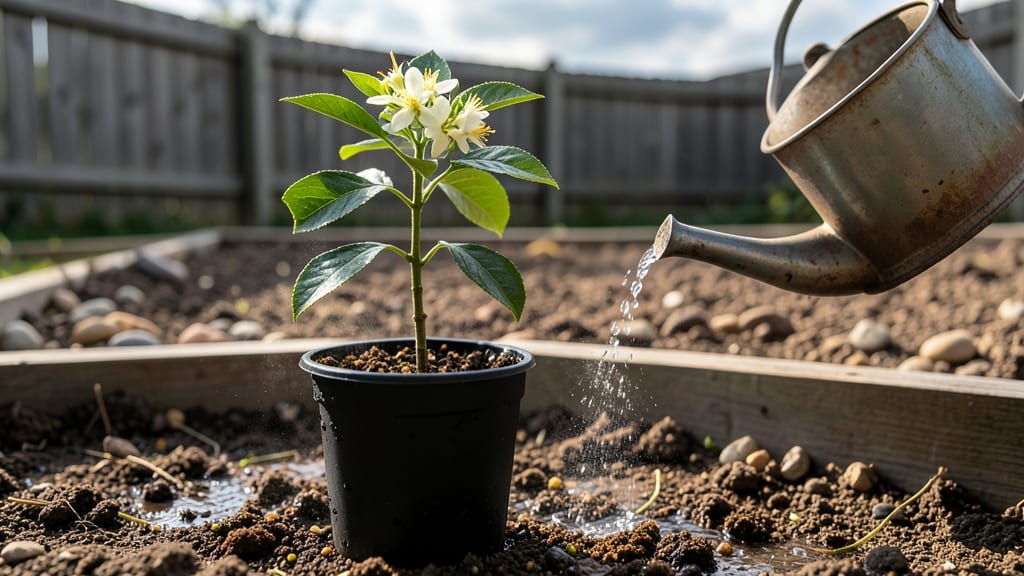
The growth of lemon trees from seed gives you a fragrant, evergreen plant that might one day bear fruit—if you're patient. 🌱 The key to fast, stress-free germination starts with the right soil mix and a little warmth, not a fancy greenhouse. My first attempt took 21 days to crack the shell; now I know the tricks to speed it up.
You’ll need a shallow container, well-draining potting mix, and a heat mat or sunny windowsill—no fancy equipment. The secret is keeping seeds moist but not soggy, and maintaining a steady 75-80°F temperature.
Most seeds sprout within 2-4 weeks, though some stubborn ones take longer. That first green shoot is the most exciting part!
Once sprouted, your seedlings need bright, indirect light to prevent leggy growth. Water when the top inch of soil feels dry, and avoid overwatering—root rot is the biggest early threat.
With proper care, you’ll have a 3-foot-tall tree in about a year, though fruiting may take 5-10 years. Patience pays off with glossy leaves and a citrusy scent.
Common mistakes include overwatering, using cold soil, or moving seedlings too soon. If growth stalls, check for pests like spider mites or fungal spots. With the right approach, you’ll have a thriving lemon tree that’s the envy of the neighborhood—even if it takes years to produce fruit.
Here’s how to get started!
📚 In This Guide
- What you need
- Instructions
- Tips and common mistakes
- Wrapping up and next steps
What you need
- ● Lemon seeds: 10–20 fresh, plump seeds (harvested from organic lemons for best results)
- ● Potting soil: 1–2 small pots (4–6 inches wide) filled with well-draining, seed-starting mix (or a blend of 50% peat moss and 50% perlite)
- ● Spray bottle: For gentle watering (avoids disturbing seeds)
- ○ Plastic wrap or clear lid: To create a mini greenhouse effect (optional but helpful)
- ● Sunlight access: A sunny windowsill (south-facing) or a grow light (12–16 hours/day)
- ● Small tray or saucer: To catch excess water and prevent root rot
- ● Seedling heat mat: Keeps soil warm (70–75°F) for faster germination
- ● Fertilizer: A balanced, water-soluble fertilizer (diluted to half-strength) after sprouts appear
- ● Humidity dome: A clear plastic cover to retain moisture (alternative to plastic wrap)
- ● Label markers: To track planting dates (if experimenting with multiple batches)
Step-by-step instructions for growing lemon seeds into healthy plants
Here’s how to turn those seeds into sturdy young trees—no fuss, just results.
🌱 Step 1: Prepare the Seeds for Faster Germination
Start by soaking the seeds in warm water for 12-24 hours—this softens the tough outer coating and speeds up sprouting. I like to use a small bowl with enough water to fully submerge the seeds. Place it in a warm spot (around 70-75°F) and check occasionally to ensure the water stays warm.
After soaking, gently rub the seeds between two paper towels to remove any remaining pulp. This prevents mold and ensures clean contact with the soil. You’ll see the seeds plump up slightly—that’s your cue they’re ready for planting.
🪴 Step 2: Plant in Light, Well-Draining Soil
Use a seed-starting mix (never garden soil—it’s too dense) in small pots or a flat with drainage holes. Fill each container to about 1 inch below the rim and press the soil down lightly. Plant one seed per pot, about ¼ inch deep—too deep slows germination, while too shallow risks drying out.
Cover the pots with plastic wrap or a humidity dome to trap warmth and moisture. Place them in a bright, indirect light spot (like a sunny windowsill) and maintain soil moisture by misting lightly every 2-3 days. You’ll know it’s right when the soil surface feels damp but not soggy.
☀️ Step 3: Provide Warmth and Monitor for Sprouts
Lemon seeds germinate best in warmth—aim for 75-85°F using a seedling heat mat if needed. Check daily for sprouts, which usually appear in 7-14 days. Once they do, remove the plastic wrap immediately to prevent fungal growth. Keep the soil consistently moist but never waterlogged—overwatering causes damping-off, a deadly fungal disease.
When the first true leaves (not the initial seed leaves) appear, your seedlings are ready for brighter light. Move them to a south-facing window or under a grow light for 12-14 hours daily. You’ll notice stronger stems and darker green leaves within a week—that’s your sign they’re thriving.
🌿 Step 4: Transplant and Support Growth
After 4-6 weeks, when seedlings have 3-4 true leaves, transplant them into 4-inch pots with fresh potting mix. Handle the seedlings gently by their leaves (never the stems) to avoid damage. Water thoroughly after transplanting to help roots settle into the new soil.
At this stage, lemon seedlings need full sun (6+ hours daily) and regular watering when the top 1 inch of soil feels dry. Pinch off any yellow leaves—this redirects energy to new growth. You’ll see steady growth if you keep the soil moist but not soggy and provide support as they grow taller (they can get leggy!).
Tips & tricks for perfect lemon seed growth
Here's what I learned after watching my first batch of lemon seeds struggle—these tricks make all the difference.
Soaking Secret: The 12-24 hour soak is your seed's jumpstart, but don't skip the warm water test. Fill your bowl with water that feels comfortably warm to your wrist (around 70-75°F). If it's too hot, it'll cook the seeds. I like to place the bowl on top of my fridge to maintain steady warmth without direct heat. The seeds are ready when they plump up noticeably—this means their protective coating has softened enough for quick germination.
Planting Precision: That ¼-inch depth matters more than you'd think. Too shallow and they'll dry out before sprouting; too deep and they'll struggle to break through. Use a toothpick to make a small hole, place the seed gently, then cover with a tiny mound of soil. Press lightly with your finger—just enough to secure it. I've found using small pots (2-3 inches wide) gives roots room to establish without competing for space.
Light Transition: The move from indirect to direct light at Step 3 is crucial. Start with bright indirect light (like an east-facing window) for the first week after sprouting. This gradual transition prevents leggy seedlings. When you do move to full sun, do it incrementally—start with 2-3 hours daily, then increase by an hour each day. I've seen seedlings go from weak and stretched to sturdy and vibrant in just a week with this approach.
Transplant Timing: Those 3-4 true leaves are your green light for transplanting, but don't rush it. Wait until the seedlings have developed a good root system—you can gently tug on them and see some resistance. When repotting to 4-inch containers, bury the stems slightly deeper than before (up to the first set of true leaves). This encourages stronger root growth. I've had better success with this method than the traditional shallow planting.
Pro Tips for Lemon Seed Growth
- Here's what I learned after watching my first batch of lemon seeds struggle—these tricks make all the difference.
- Soaking Secret: The 12-24 hour soak is your seed's jumpstart, but don't skip the warm water test.
- Planting Precision: That ¼-inch depth matters more than you'd think.
Frequently asked questions
Got questions about growing lemon seeds into lush lawns? You’re not alone!
Here are some of the most common queries—and their straightforward answers—to help you get started with confidence.
How long does it take for lemon seeds to germinate?
Germination typically takes 10–21 days, depending on warmth and moisture. Keep soil consistently damp and maintain a temperature of 70–80°F (21–27°C). If you don’t see sprouts in 3 weeks, gently check for mold or overwatering—adjust care as needed!
Can I speed up lemon seed germination?
Yes! Try these tricks:
- Soak seeds in warm water for 6–12 hours before planting.
- Use a seedling heat mat (75°F+ speeds up sprouting).
- Cover pots with plastic wrap to trap humidity (remove once sprouts appear!).
What’s the best soil mix for lemon seed growth?
Use a light, well-draining mix like:
- 50% peat or coco coir (for moisture retention).
- 30% perlite or vermiculite (for aeration).
- 20% sand or compost (for nutrients).
Why are my lemon seeds rotting or moldy?
Overwatering or poor drainage are the usual culprits. Fix it by:
- Using pots with drainage holes.
- Watering only when the top inch is dry.
- Adding a fungicide (like neem oil) if mold appears.
Can I grow lemon seeds directly in the lawn, or should I start indoors?
Start indoors for best results! Seeds germinate faster in controlled warmth (6–8 weeks indoors), then transplant outdoors once frost risk passes and seedlings are 4–6 inches tall. Direct sowing works but often yields slower, weaker growth.
Wrapping up and next steps
Growing a lush lawn from lemon seeds is simpler than you think—and the rewards are so satisfying! 🌱 With the right patience, care, and a few key steps, you’ll soon enjoy vibrant, fragrant greenery that’s uniquely yours.
Whether you’re a lawn enthusiast or just love the idea of nurturing life from something as small as a seed, your green thumb is ready to shine!
Ready to take the next step? Start by gathering your supplies, follow the germination guide, and watch your lemon seed journey unfold. Happy growing—your future lawn is waiting! 🌿✨