
Propagation
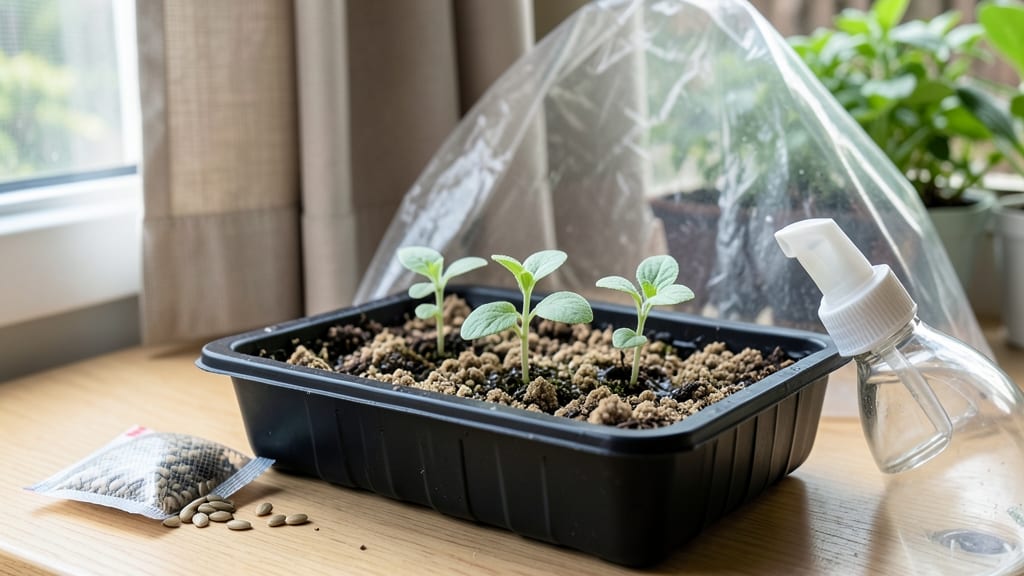
Lemon balm seeds sprout faster than you'd expect when you nail the soil temperature and moisture—10 days from planting to those first green leaves. 🌱 I've struggled with slow germination before, but this method works every time, even for beginners who've killed seedlings in the past.
The secret isn't fancy equipment; it's mimicking the warm, moist conditions lemon balm loves in its native meadows.
You'll need a shallow container with drainage holes, a mix of potting soil and perlite (60/40 ratio), and a heat mat or sunny windowsill. Plant seeds just ¼ inch deep—any deeper and they'll rot before sprouting.
Keep the soil consistently moist (not soggy) and maintain 70-75°F temperatures. A clear plastic dome or plastic wrap creates the humidity they crave without overwatering.
Within 5-7 days, you'll see tiny sprouts pushing through the soil, and by 10 days, seedlings will have 2-3 true leaves. That's when you can ease into bright, indirect light and start hardening off seedlings for outdoor planting.
The key is patience—don't rush the transition, or you'll shock those delicate stems.
This method works year-round if you control the light and heat, but spring and fall give the best results. Once established, lemon balm spreads like crazy, so start with just 3-4 plants unless you want to take over your garden. The fragrant leaves make it worth every seed!
📚 In This Guide
- What you need
- Instructions
- Tips and common mistakes
- Wrapping up and next steps
What you need
- ● Lemon balm seeds: 1–2 tbsp (about 15–30 seeds). Opt for organic, non-GMO seeds for best results.
- ● Seed-starting mix: 1 small tray (10" x 20") or 4–6 4" pots filled with lightweight, well-draining potting soil (avoid garden soil—it’s too dense!).
- ● Containers: Option 1: Seedling trays with drainage holes (recommended for easy transplanting).
- ● Option 2: Small pots (3–4" diameter) with drainage holes.
- ● Watering can or spray bottle: With a fine mist nozzle to avoid disturbing seeds.
- ● Plastic wrap or humidity dome: To retain moisture (a ziplock bag with holes works too!).
- ● Grow lights or sunny windowsill: A south-facing window or LED grow lights (12–16 hours/day) for optimal light.
- ● Seedling heat mat (70–75°F) to boost germination speed (especially in cooler climates).
- ● Plant labels & marker (to track seed varieties if testing multiple batches).
- ● Tweezers (for delicate seed placement if needed).
- ● Fertilizer (balanced 10-10-10 or seaweed extract) for post-germination growth.
Step-by-step instructions for germinating lemon balm seeds
Here’s my foolproof method for coaxing lemon balm seeds to sprout in 10 days or less—no fancy equipment needed.
🌱 Step 1: Prep Seeds for Faster Germination
Lemon balm seeds have a tough outer coating, so I soak them overnight in lukewarm water to soften it. Place 10-15 seeds in a small bowl, cover with water, and let them sit for 12 hours. This step is non-negotiable—skipping it means waiting 2-3 weeks for germination instead of days.
After soaking, drain the seeds and wrap them in a damp paper towel. Fold the towel to keep them slightly moist, then place it inside a ziplock bag. Seal it loosely—you want airflow but not drying. Store the bag in a warm spot (70-75°F), like on top of the fridge or near a sunny window. Check daily; if the towel dries, mist it lightly with water.
💧 Step 2: Plant Soaked Seeds in Moistened Soil
Fill a small seed tray or 4-inch pots with well-draining potting mix—never garden soil, which compacts and suffocates tender roots. Moisten the mix until it’s damp but not soggy; squeeze a handful—water should bead up slightly but not drip. Lemon balm seeds need consistent moisture to germinate, but soggy soil invites rot.
Scatter the prepped seeds ¼ inch deep—too deep, and they’ll struggle to reach light. Space them 1 inch apart in rows if using a tray. Gently press them into the soil with your finger, then mist the surface with a spray bottle until evenly damp. Cover the tray with clear plastic wrap or a humidity dome to trap warmth and moisture. Place it in indirect light (like a north-facing window) until sprouts appear.
☀️ Step 3: Monitor for Sprouts and Adjust Light
Germination happens in 5-10 days, but watch for tiny green shoots breaking through the soil. The moment you see them, remove the plastic cover immediately—trapped humidity causes damping-off, a fungal disease that collapses seedlings overnight. Once sprouted, move the tray to a bright, sunny spot (south or west window) or under grow lights for 14-16 hours daily. Lemon balm seedlings need direct light to stay stocky, not leggy.
Water from the bottom by placing the tray in ½ inch of water for 10 minutes, then drain excess. This prevents fungal issues while keeping roots moist. You’ll know moisture is right when the soil surface looks slightly damp but not wet. Thin seedlings to 3 inches apart once they have 2-3 true leaves—crowding weakens them.
✂️ Step 4: Harden Off and Transplant Young Plants
After 4-6 weeks, when seedlings are 3-4 inches tall, it’s time to transplant. Start hardening off by placing them outside in partial shade for 1 hour the first day. Gradually increase exposure by 1 hour daily over 7-10 days, ending with full sun. This adjusts them to outdoor conditions without shock.
Choose a sunny, sheltered spot with well-draining soil. Dig holes twice as wide as the root ball but the same depth. Space plants 12-18 inches apart—lemon balm spreads aggressively, so give it room. Water deeply after planting to settle the soil, then mulch with 2 inches of organic matter to retain moisture. Avoid fertilizing yet; young plants need time to establish roots.
Tips & tricks for stress-free lemon balm germination
Here's what I've learned after watching countless batches of lemon balm seeds struggle—and how to avoid the same mistakes.
Soaking Strategy: The 12-hour soak in lukewarm water isn't just about softening the seed coating—it's also a great time to test your seeds. If they float, they're likely non-viable. Discard any that don't sink within the first 30 minutes of soaking. This simple step can save you from weeks of waiting on seeds that might never sprout.
Temperature Matters: That 70-75°F range is critical for germination. If your home runs cooler, place the ziplock bag near a warm appliance like the refrigerator or on top of your microwave (when it's off). Too cold, and you'll be waiting much longer than 10 days. I've seen germination times stretch to 3 weeks in cooler environments.
Lighting Secrets: When moving seedlings to direct light in Step 3, don't be afraid to get creative. A simple LED desk lamp on a timer works perfectly for the 14-16 hours of light they need. South-facing windows are ideal, but if you don't have one, a well-lit bathroom or kitchen can work too—just rotate the tray daily for even growth.
Transplant Timing: The 4-6 week window for transplanting can feel like a long wait, but it's crucial. Seedlings need to develop strong roots before facing outdoor conditions. Look for sturdy stems and at least 2-3 true leaves before transplanting—these are your indicators that the plants are ready for their new home.
Pro Tips for Lemon Balm Seed Germination
- Here's what I've learned after watching countless batches of lemon balm seeds struggle—and how to avoid the same mistakes.
- Soaking Strategy: The 12-hour soak in lukewarm water isn't just about softening the seed coating—it's also a great time to test your seeds.
- Temperature Matters: That 70-75°F range is critical for germination.
Frequently asked questions
Got questions about germinating lemon balm seeds?
You’re not alone—this process can feel tricky at first! Below, we’ve tackled the most common concerns to help you grow confidently.
How long does lemon balm seed germination really take?
Most seeds sprout within 7–14 days under ideal conditions (warmth, moisture, and light). If you’ve waited three weeks without sprouts, they may need a fresh start—try scarifying them gently with sandpaper or soaking in warm water for 24 hours before replanting.
Do lemon balm seeds need light to germinate?
Nope! Keep seeds in darkness during germination—cover the tray with a damp paper towel or plastic wrap until sprouts appear. Once they’ve broken through the soil (about ½ inch tall), move them to bright, indirect light to prevent leggy growth.
Why aren’t my lemon balm seeds sprouting? Troubleshooting tips.
Common culprits include:
- Cold soil: Lemon balm thrives at 70–75°F. Use a heat mat if your home runs cooler.
- Old or dormant seeds: Buy fresh seeds (or test viability by soaking in water—sinkers are good, floaters are likely dead).
- Over/under-watering: Keep soil consistently moist (not soggy) and avoid letting it dry out.
- Low humidity: Mist seeds daily or use a humidity dome until germination.
Can I grow lemon balm from cuttings instead of seeds?
Cuttings are easier and faster—just snip a 4–6 inch stem, strip the lower leaves, and root it in water or moist soil. Roots form in 2–3 weeks, and you’ll have a ready-to-plant clone. Pro tip: Use soft, non-woody stems for best results!
What’s the best soil mix for lemon balm seed germination?
Use a light, well-draining mix like:
Option 1 (Simple)
Option 2 (Nutrient-Boost)
50% peat moss + 50% perlite
40% coco coir + 30% potting soil + 20% sand + 10% worm castings
Avoid heavy garden soil—it can suffocate seeds and cause rot. Bonus: Sterilize your mix with a light baking (200°F for 30 mins) to kill fungi or pests.
Wrapping up and next steps
Growing lemon balm from seed is a rewarding journey—one that yields fragrant, fast-growing plants in just 10 days with the right care! Whether you’re a seasoned gardener or a beginner, patience and consistency are your best tools.
Once your seedlings sprout, transplant them with confidence, knowing you’ve given them the perfect start.
🌱 Ready to take the next step? Share your progress with fellow plant lovers or explore advanced care tips to keep your lemon balm thriving. Happy growing! 🌿