Size
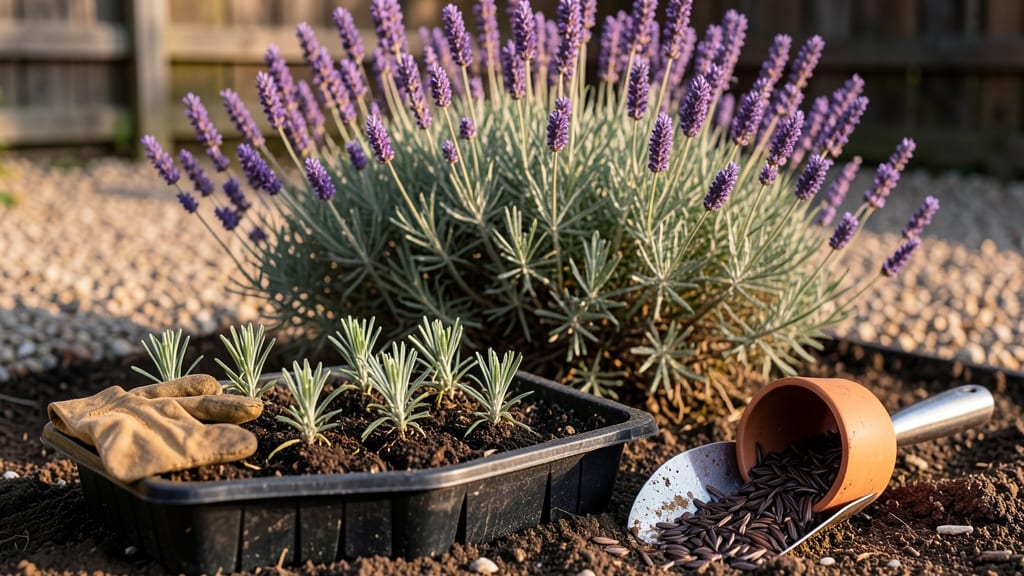
Growing lavender from seed is the most rewarding way to fill your garden with that fragrant, silvery-blue beauty—but it takes patience and the right approach. 🌱 I’ve started lavender from seed three times, and the third attempt finally gave me plants that bloomed reliably.
The key isn’t rushing; it’s understanding lavender’s slow, steady growth rhythm. Unlike annuals, lavender seeds need 60-90 days just to germinate, followed by years to mature. Start indoors in early spring, using a light, sandy soil mix and keeping seeds shallow—just ⅛ inch deep.
Lavender hates soggy soil, so water gently and avoid covering the tray. Once sprouts appear, move them to a sunny spot (or grow lights) and harden off before transplanting. By year two, you’ll see those iconic purple spikes, and with proper care, your plants will thrive for decades.
The secret? Less water, more sun, and pruning spent blooms to encourage new growth. Even in containers, lavender adapts beautifully—just ensure drainage and full sun exposure. This isn’t a quick project, but the payoff is worth it: year-round fragrance, drought-resistant plants, and a garden that hums with bees.
Let’s get those seeds started!
📚 In This Guide
- What you need
- Instructions
- Tips and common mistakes
- Wrapping up and next steps
What you need
- ● Lavender seeds: Choose Lavandula angustifolia (English lavender) or Lavandula x intermedia (hybrid lavender) for best results. Aim for 1-2 packets (50-100 seeds each) for a small garden.
- ● Seed-starting mix: A sterile, well-draining potting mix (avoid garden soil—it’s too dense!). Use 2-3 cubic feet for sowing.
- ● Containers: Seed trays or small pots (3-4 inches deep)—6-12 units for spacing.
- ● Grow lights or sunny window: Lavender needs 6-8 hours of light daily (a full-spectrum LED grow light works if natural light is limited).
- ● Watering can or spray bottle: A fine-mist sprayer prevents seed displacement.
- ● Plastic wrap or humidity dome: Keeps moisture in while seeds germinate.
- ○ Heat mat (optional): Speeds germination—set to 70-75°F (21-24°C).
- ● Fertilizer (low-nitrogen): A balanced 10-10-10 or 5-10-10 (diluted to half-strength) for transplanting.
- ● Pruning shears: For shaping mature plants (sterilize with rubbing alcohol!).
- ● Garden gloves: Protects hands from prickly stems.
- ● Patience: Lavender seeds take 2-4 weeks to germinate—don’t rush!
- ● Sunny spot: Full sun (6+ hours/day) is non-negotiable for robust growth.
- ● Well-draining soil: Lavender hates soggy roots—amend soil with perlite or sand if needed.
Step-by-step guide to growing lavender from seed
Lavender thrives with patience—here's how to coax those fragrant blooms from tiny seeds.
🌱 Step 1: Start Seeds Indoors for Best Germination
Fill a seed tray with sterile seed-starting mix and moisten it until damp but not soggy. Lavender seeds need light to germinate, so don't cover them with soil—just press them gently into the surface. A light misting from a spray bottle ensures even moisture without burying the seeds.
Place the tray in a warm spot with 70-75°F temperatures and indirect light. A seedling heat mat speeds germination, but a sunny windowsill works too. Keep the soil consistently moist—never soggy. Germination takes 2-4 weeks, so stay patient and resist the urge to disturb the seeds.
☀️ Step 2: Provide Bright Light and Prevent Leggy Growth
Once seedlings emerge, move them under grow lights for 14-16 hours daily. Lavender seedlings stretch toward light if it's too weak, resulting in weak stems. Position lights 2-3 inches above the plants and raise them gradually as seedlings grow.
Strong lavender seedlings have thick stems and compact leaves. If you notice long, pale stems with leaves spaced far apart, your light is too distant. Pinch the leggy growth to encourage bushier development—this ensures robust plants ready for transplanting.
🪴 Step 3: Harden Off and Transplant Young Plants
Two weeks before your last frost date, begin hardening off seedlings by placing them outside in a sheltered spot for 1-2 hours daily. Gradually increase outdoor time over 10-14 days, shielding them from direct sun at first. This prepares them for full sun exposure and prevents transplant shock.
Choose a sunny, well-draining spot for lavender—it hates soggy roots. Space plants 12-18 inches apart in well-draining soil. Transplant on a cloudy day or in the evening to reduce stress. Water deeply after planting to settle the roots, then let the soil dry between waterings.
✂️ Step 4: Prune and Maintain for Year-Round Blooms
After the first flush of blooms, trim back stems by one-third to encourage bushier growth. Deadhead spent flowers regularly to prompt new blooms. Lavender thrives in full sun and dry conditions, so avoid overwatering—this is the fastest way to kill it.
In late winter or early spring, give lavender a light pruning to shape the plant and remove any dead wood. This keeps it compact and encourages vigorous new growth. With proper care, your lavender will reward you with fragrant blooms for years to come.
Tips & tricks for perfect lavender growth from seed
Here's what nobody tells you about growing fragrant lavender from those tiny seeds—these tricks make all the difference.
The Light Factor: Lavender seeds need that 14-16 hours of daily light to grow strong, but don't just plop them under any light source. Use full-spectrum grow lights positioned just 2-3 inches above the seedlings—they'll grow toward the light like sun-worshippers. If you notice stems stretching tall and thin, your light is too far away or not bright enough. This is your plant's way of saying, "I need more!"
Germination Patience: Those 2-4 weeks of waiting for seeds to sprout can feel like forever, but rushing the process is a recipe for failure. I learned this the hard way after disturbing my first batch of seeds and ending up with nothing. Keep the soil consistently moist (not soggy) and resist the urge to check daily. A humidity dome or plastic wrap over the tray helps maintain moisture without overwatering.
Transplanting Strategy: When it's time to move seedlings outdoors, I always do it on a cloudy day or in the evening to reduce shock. Lavender hates soggy roots, so choose a spot with well-draining soil and space plants 12-18 inches apart. After transplanting, water deeply just once—then let the soil dry completely between waterings. This might seem counterintuitive, but lavender's Mediterranean roots thrive on neglect rather than constant moisture.
Pruning Secrets: After your first flush of blooms, trim back stems by one-third to encourage bushier growth. This isn't just about looks—it helps prevent woody stems and keeps your plant compact. I also deadhead spent flowers regularly to prompt new blooms. In late winter, give your lavender a light pruning to remove dead wood and shape the plant. It's like giving your lavender a fresh haircut—it comes back stronger and more vibrant.
Pro Tips for Lavender Seed Grow A Garden
- Here's what nobody tells you about growing fragrant lavender from those tiny seeds—these tricks make all the difference.
- The Light Factor: Lavender seeds need that 14-16 hours of daily light to grow strong, but don't just plop them under any light source.
- Germination Patience: Those 2-4 weeks of waiting for seeds to sprout can feel like forever, but rushing the process is a recipe for failure.
Frequently asked questions
Can I grow lavender from seed, or should I start with cuttings?
While lavender can be grown from seed, it’s slower and less reliable than cuttings or nursery plants. Seeds may take 6–12 months to bloom, and germination rates vary. For faster results, opt for rooted cuttings or established plants—especially if you’re impatient for fragrant blooms! Pro tip: If starting from seed, use fresh, high-quality seeds and keep soil warm (70–80°F) for best success.
How long does it take for lavender seeds to germinate?
Lavender seeds are notoriously slow to germinate, often taking 2–4 weeks (or even longer!). Light exposure helps—don’t bury seeds deeply (just press them into soil). Keep the soil moist but not soggy and maintain temperatures around 70°F. Patience is key—some gardeners soak seeds overnight to kickstart germination. Note: Pre-sprouted seeds (available from some suppliers) can speed up the process.
What’s the best soil mix for growing lavender from seed?
Lavender thrives in well-draining, sandy, or gritty soil with a slightly alkaline pH (6.5–7.5). Mix 50% potting soil with 50% perlite or coarse sand to prevent root rot. Avoid heavy clay or compost-rich soil—lavender hates soggy roots! Bonus: Add a handful of horticultural grit for extra drainage, especially in containers.
Why aren’t my lavender seedlings growing? Troubleshooting tips.
Slow or stunted growth often stems from overwatering, poor drainage, or cool temperatures. Check for:
Leggy seedlings? Too little light—move to a sunny windowsill or use grow lights.
Yellow leaves? Overwatering or compacted soil—let the top inch dry out between waterings.
No sprouts after 4+ weeks? Seeds may need stratification (cold treatment) or could be old. Try a fresh batch!
Pro tip: Lavender seedlings hate humidity—use a fan on low to prevent damping-off disease.
Can I grow lavender indoors from seed?
Yes, but it’s challenging! Lavender needs 6+ hours of direct sunlight daily, so place seedlings near a south-facing window or under grow lights. Use a small container (6+ inches deep) with drainage holes, and keep temperatures warm. If indoors, expect smaller plants and fewer blooms—outdoor planting (after frost) yields the best results. Alternative: Start seeds indoors early, then transplant outside in spring.
Wrapping up and next steps
Growing lavender from seed is a rewarding journey that brings fragrant beauty to your garden year-round! 🌿 With the right soil, sunlight, and patience, you’ll enjoy viable blooms and even harvest lavender for relaxation or culinary uses. Start small, stay consistent, and soon your garden will be a soothing sanctuary.
Ready to dive in? Pick a sunny spot, grab your seeds, and begin planting today! Whether you’re a beginner or a seasoned gardener, every step forward is a bloom waiting to happen. Happy gardening! 🌸