
Lawn
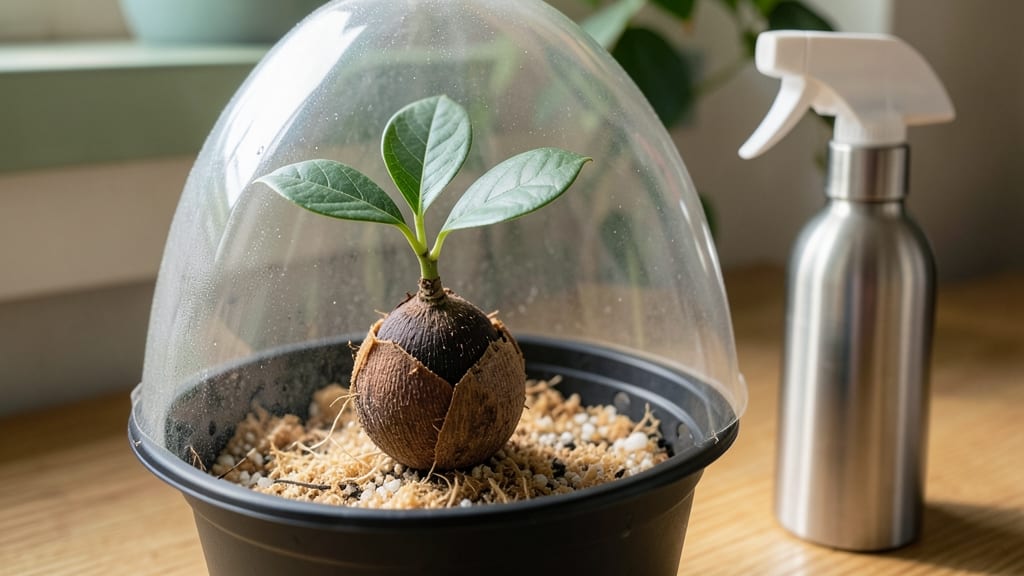
Jackfruit seed sprouting starts with a single seed and 7 days of patience—no fancy equipment needed. 🌱 I’ve turned store-bought jackfruit seeds into thriving seedlings using just a plastic bag, water, and a sunny windowsill.
The key is mimicking the tropical conditions these seeds crave, and I’ll show you exactly how to do it without overcomplicating things.
You’ll need just three supplies: a plastic bag with a twist tie, damp paper towels, and a warm spot. The process is simple—soak the seed, wrap it in moisture, and wait. Most seeds sprout within 3-5 days, but some take the full week.
The trick is keeping the environment consistently warm (around 75-80°F) and slightly damp, which speeds up germination and prevents mold.
Once that first green shoot appears, you’ll transplant it into a small pot with well-draining soil. Keep the soil moist but not soggy, and place the pot in bright, indirect light until the seedling is sturdy enough for direct sun.
By week 4, you’ll have a tiny jackfruit tree ready for its forever home in the ground or a large container.
Here’s the thing—jackfruit trees grow slowly at first, but with the right care, they’ll reward you with fragrant flowers and (eventually) fruit. The biggest challenge is avoiding overwatering, which can rot those delicate roots. Stick with me, and you’ll have a tropical tree thriving in your yard in no time.
📚 In This Guide
- What you need
- Instructions
- Tips and common mistakes
- Wrapping up and next steps
What you need
- ● Jackfruit seeds: 5–10 fresh, plump seeds (harvested from ripe jackfruit). Pro tip: 💡 Avoid seeds with cracks or soft spots—they won’t sprout well!
- ○ Paper towels or coffee filters: 2–3 sheets (for moisture retention). Optional: Use a seed-starting mat for extra humidity.
- ● Spray bottle: 1 (with water) to mist seeds gently.
- ● Small container: A shallow dish, plastic bag, or even a folded paper towel (to hold seeds and towels).
- ● Water: Room-temperature, filtered if possible (chlorine can hinder germination).
- ● Clear plastic wrap or ziplock bag (to create a mini greenhouse effect).
- ● Small pot or biodegradable peat pellet (for transplanting sprouts later).
- ● Grow light or sunny windowsill (if your space lacks natural light).
- ● Planting tray with drainage holes (for long-term growth).
- ● Patience! Sprouts may take 3–7 days to crack open.
- ● A warm spot (70–85°F / 21–29°C) for optimal germination.
- ● Daily check-ins to monitor moisture (keep towels damp, not soggy!).
Step-by-Step guide to sprouting jackfruit seeds
Here's how to coax those hard seeds into lively sprouts—no fancy equipment needed.
🌱 Step 1: Select and Prepare the Seeds
Pick 4 fresh jackfruit seeds from a ripe fruit—look for plump ones with smooth, unblemished shells. The larger the seed, the better your germination odds. I like to soak them overnight in lukewarm water to soften the outer husk, which speeds up the process. Place them in a bowl and cover completely—you’ll see the water turn slightly cloudy as the seed releases enzymes.
After 12 hours, drain the water and gently rub the seeds between your palms to loosen the fibrous husk. Don’t scrub aggressively—you’re just prepping the seed, not sanding it down. Rinse them under running water to remove any remaining debris. This step ensures the seed’s moisture barrier breaks down just enough for faster sprouting.
💧 Step 2: Create the Ideal Germination Environment
Line a shallow tray or plate with a damp paper towel—wrung out so it’s moist but not dripping. Fold the towel into a single layer and arrange the seeds 1 inch apart in a single row. Cover them with another damp paper towel, then place the tray inside a clear plastic bag (like a produce bag) to trap humidity. Seal it loosely—you want airflow, not a sealed vacuum.
Store the tray in a warm, dark spot (like on top of the fridge or inside a closed cabinet). Jackfruit seeds germinate best at 75-85°F—closer to body temperature. Check daily for moisture. If the towels dry out, mist them lightly with room-temperature water and reseal. You’ll see tiny white roots emerge within 3-5 days, followed by a green shoot within 7 days.
☀️ Step 3: Transplant Sprouted Seeds to Soil
Once the sprout reaches 2-3 inches tall (usually 7-10 days after soaking), it’s time to move it to soil. Fill 4-inch pots with a light, well-draining potting mix—avoid garden soil, which can compact and suffocate young roots. Make a small hole ½ inch deep with your finger and gently place the seedling in, covering the roots but leaving the shoot exposed.
Press the soil lightly around the base to secure the seedling, then water gently from below (place the pot in a saucer of water for 10 minutes) to avoid disturbing the roots. After transplanting, move the pots to a bright, indirect light spot—direct sun at this stage can scorch the delicate leaves. You’ll notice new leaves unfurling within 2-3 weeks, signaling the seedling is thriving.
🌿 Step 4: Maintain Growth for a Healthy Seedling
Keep the soil evenly moist but not soggy—stick your finger 1 inch deep into the soil. If it feels dry, water lightly. Overwatering is the #1 killer of young jackfruit seedlings, so err on the side of underwatering. Fertilizer isn’t needed yet, but once the seedling has 4-5 true leaves (not the initial seed leaves), switch to a balanced liquid fertilizer diluted to half strength every 2 weeks.
Rotate the pot a quarter turn weekly so the seedling grows straight toward the light, not lopsided. Jackfruit seedlings are slow growers at first, but with patience, they’ll develop into tropical trees—just give them time. Once they reach 6-8 inches tall, you can transplant them outdoors (if your climate allows) or keep them in containers for years.
Tips & tricks for perfect jackfruit seed germination
Here's what nobody tells you about getting those stubborn jackfruit seeds to sprout reliably.
Seed Selection Matters: In Step 1, don't just grab any seeds—look for ones that feel heavy for their size, with smooth shells and no cracks. I've found that seeds from fully ripe jackfruit (where the flesh turns yellowish) germinate most consistently. If you're unsure about freshness, soak a test seed in warm water for 12 hours first—if it starts softening, the others will too.
Temperature Control: The 75-85°F range in Step 2 is critical, but don't assume your kitchen stays in that zone. If your home runs cooler, place the sealed tray on top of your fridge (not inside) where it's naturally warmer. For warmer climates, move it to a slightly cooler spot like a basement corner. I've seen germination times double when seeds are kept too cool—patience is key, but warmth speeds up the process dramatically.
Moisture Management: When checking moisture in Step 2, don't just eyeball it—press your finger into the paper towel about ½ inch deep. It should feel damp like a wrung-out sponge, not wet or dry. I've ruined batches by either over-misting (which causes mold) or letting them dry out (which halts growth). The plastic bag creates a mini greenhouse effect, so you'll only need to mist every other day at most.
Transplant Timing: Waiting until the sprout reaches 2-3 inches in Step 3 is perfect, but don't rush the transplant. The roots should be visibly white and about 1-2 inches long before moving to soil. I've seen seedlings topple over when transplanted too early because their root systems weren't strong enough to support the shoot. Gently hold the seedling by its leaves (not the stem) when transplanting to avoid damage.
Pro Tips for Jackfruit Seed Sprout
- Here's what nobody tells you about getting those stubborn jackfruit seeds to sprout reliably.
- Seed Selection Matters: In Step 1, don't just grab any seeds—look for ones that feel heavy for their size, with smooth shells and no cracks.
- Temperature Control: The 75-85°F range in Step 2 is critical, but don't assume your kitchen stays in that zone.
Frequently asked questions
Got questions about sprouting jackfruit seeds? You’re not alone—this process can feel tricky at first! Below are answers to the most common queries to help you grow confidently. Whether you’re troubleshooting slow growth or curious about alternatives, we’ve got you covered.
How long does it take for jackfruit seeds to sprout?
With the right conditions, jackfruit seeds typically sprout within 5–7 days. Keep them in a warm, humid environment (70–80°F) with indirect light. If they haven’t sprouted in 10 days, check moisture levels—they may need a gentle mist or slightly warmer spot. Patience is key!
Why aren’t my jackfruit seeds sprouting?
Common culprits include dry seeds, low humidity, or cold temperatures. Soak seeds overnight before planting, cover the tray with plastic wrap to retain moisture, and place them near a heat source (like a sunny window). If mold appears, increase airflow immediately—fresh air prevents rot.
Can I plant jackfruit seeds directly in soil?
Yes! Once sprouts are 1–2 inches tall, transplant them into well-draining potting mix. Use a small pot (6+ inches deep) and place it in bright, indirect light. Avoid direct sunlight at first to prevent stress. Jackfruit trees thrive in tropical climates, so mimic those conditions indoors.
What can I do with unsprouted jackfruit seeds?
Don’t toss them! Unsprouted seeds can be roasted and eaten like nuts (tastes like chestnuts), ground into flour, or even used as a coffee substitute. For composting, chop them finely to speed up decomposition. Waste not—jackfruit seeds are versatile!
How do I keep jackfruit sprouts from drying out?
Mist the seeds daily and use a humidity dome (plastic wrap over the tray) until sprouts emerge. Once leaves appear, reduce misting to every other day. Overwatering causes rot, so ensure the tray has drainage holes. A pebble tray with water underneath also boosts humidity naturally.
Wrapping up and next steps
Discovering how to sprout jackfruit seed sprouts in just seven days opens up a world of possibilities—whether you're eager to grow a tropical tree, enjoy nutritious microgreens, or simply embrace sustainable gardening.
With the right materials and a little patience, you’ve got everything you need to kickstart this rewarding process. Why not take the next step today? Try sprouting a few seeds this week and watch your green thumb grow!
Pro Tip: 🌱 Share your progress with fellow gardening enthusiasts—inspiration thrives in community!