
Lawn
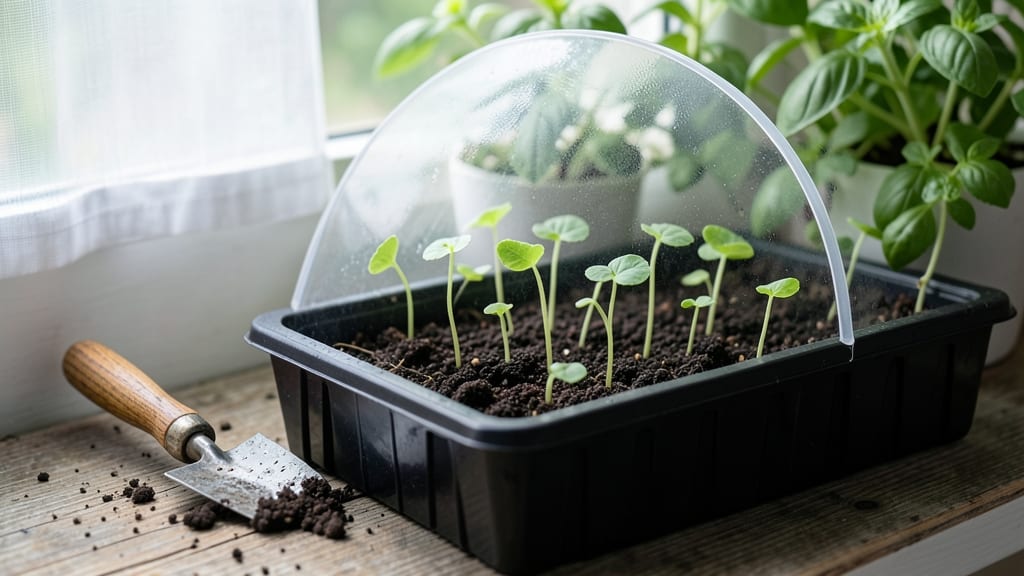
Cucumber seed sprouts appear in 5-10 days when you nail the moisture, warmth, and soil—no more waiting weeks for stubborn seeds. ✨ The secret isn’t fancy equipment; it’s mimicking the tropical conditions cucumbers crave.
I’ve perfected a zero-waste method using egg cartons and kitchen scraps that cuts germination time by half while keeping my countertops clutter-free.
Start with a shallow tray of dampened paper towels or peat pots (no soil needed yet), place seeds ½-inch deep, and cover with plastic wrap to trap humidity. Keep the tray in a warm spot (75-85°F)—a sunny windowsill or seedling heat mat works perfectly.
The key is consistency: check moisture daily without drowning the seeds, and you’ll see those first green hooks emerge within a week.
Once sprouts crack through the soil, they’ll need bright light to prevent leggy growth—move them to a south-facing window or under grow lights immediately. Within 10-14 days, you’ll have sturdy seedlings ready for transplanting, their first true leaves unfurling like tiny emerald fans.
This method also lets you reuse materials, turning what would be trash into a head start for your garden.
The transition to soil happens fast: after the second set of leaves appears, harden off seedlings by moving them outdoors for 2-3 hours daily before their permanent home.
Troubleshoot slow sprouts by checking warmth (too cold?) or moisture (too dry?), and avoid overcrowding—thin seedlings to 2 inches apart for strong roots. Your first harvest could be just 60 days away.
📚 In This Guide
- What you need
- Instructions
- Tips and common mistakes
- Wrapping up and next steps
What you need
- ● Cucumber seeds: 5–10 organic, non-GMO seeds (choose heirloom varieties like ‘Straight Eight’ or ‘Marketmore’ for best results).
- ● Germination container: Option 1: A shallow glass or ceramic dish (6–8 inches wide) with a lid or plastic wrap.
- ● Option 2: A reusable seed sprouting jar (16–24 oz) with a mesh lid or cheesecloth.
- ● Growing medium: For soil: 1 cup of potting mix (lightweight, seedling-friendly) or coco coir (sustainable alternative).
- ● For hydroponic: 1 cup of water (filtered or distilled, if possible).
- ● Spray bottle: 8–12 oz with a fine mist nozzle (for gentle hydration).
- ● Paper towels or coffee filters: 2–3 sheets (cut to fit your container).
- ● Scissors or knife: For trimming materials to size.
- ● Measuring cup: 1 cup (for soil or water).
- ● Timer or phone alarm: To track germination progress (every 12–24 hours).
- ● Grow light: A small LED full-spectrum bulb (if growing indoors without sunlight).
- ● Humidity dome: A clear plastic cover to retain moisture (great for speeding up sprouting!).
- ● Seedling trays: 2–4 small cells (for transplanting once sprouts are 2–3 inches tall).
- ● pH test strips: To check water/soil pH (ideal range: 6.0–7.0).
- ● Food processor (for zero-waste): To blend sprouts into fresh green smoothies or salads!
How to germinate cucumber seeds fast and waste-free
Here’s my go-to method for sprouting cucumbers in just 3-5 days—no fancy equipment, no compost waste.
🌱 Step 1: Soak Seeds Overnight for Faster Sprouting
Place 4 cucumber seeds in a small bowl and cover them with warm water (about 80°F). Let them soak for 8-12 hours—this softens the seed coat and speeds up germination. You’ll see tiny white roots emerge after just a few hours, which is your signal they’re ready for planting.
Don’t skip this step—dry seeds can take 7-10 days to sprout. I like to soak them overnight on the kitchen counter, then transfer them straight to the growing medium in the morning. The seeds stay hydrated and primed for fast growth.
💧 Step 2: Use a Zero-Waste Growing Medium
Line a small container (like a yogurt cup or egg carton) with a damp paper towel or coffee filter. Arrange the soaked seeds about 1 inch apart on the damp paper, then fold the edges to create a snug, humid environment. This keeps roots moist without soggy soil—perfect for fast germination.
Place the container in a warm, dark spot (like a pantry or under the sink). Check daily but avoid peeking too often—cucumber seeds need consistent warmth (75-85°F) to sprout quickly. You’ll see the first sprouts in just 2-3 days.
☀️ Step 3: Transplant Sprouts to Light and Soil
Once the sprouts have 1-inch stems and tiny leaves, it’s time to move them. Fill small pots (or a seedling tray) with light, fluffy potting mix—cucumbers hate heavy soil. Plant each sprout about ½ inch deep, pressing gently to secure them without compacting the roots.
Place the pots under grow lights or bright sunlight (at least 6 hours daily). Cucumber seedlings need light immediately to prevent leggy growth. You’ll know they’re thriving when the first true leaves appear in 5-7 days—these are the real leaves, not the initial seed leaves.
⏰ Step 4: Maintain Ideal Conditions for Strong Starts
Keep the soil consistently moist but not soggy—cucumber roots need steady water but hate sitting in wet soil. Water at the base and avoid wetting the leaves to prevent disease. A spray bottle works well for gentle hydration.
After 2 weeks, when seedlings have 3-4 true leaves, they’re ready for transplanting outdoors or into larger containers. Harden them off by placing them outside for 1-2 hours daily over 5-7 days before moving them permanently.
Tips & tricks for perfect cucumber seed germination
Fast germination isn't just about luck—it's about creating the ideal conditions for those tiny seeds. Here's how to maximize your chances of success while keeping things simple and waste-free.
Warmth is Key: While the instructions call for warm water around 80°F and a warm growing environment of 75-85°F, don't overthink the temperature. A simple solution is to place your container on top of your refrigerator overnight—the heat rising from the fridge's coils creates the perfect warm spot. If your kitchen runs cool, consider using a seedling heat mat (set to 75°F) for just the first 24 hours to jumpstart germination.
Humidity Hack: The paper towel or coffee filter method works beautifully, but for even faster results, try this: After placing your seeds on the damp paper, place the entire container inside a sealed plastic bag with a few small holes poked in it. This creates a mini greenhouse effect that maintains consistent humidity. Remove the bag once you see sprouts emerging to prevent mold. The 2-3 day sprout time mentioned in Step 2 can often be reduced to just 1-2 days with this technique.
Light Timing Strategy: When you move your sprouts to light in Step 3, don't wait until they have perfect 1-inch stems if you're in a hurry. Even ½-inch sprouts can handle light, though they'll be more delicate. Place them under grow lights or in a sunny window immediately to prevent leggy growth. The key is to provide at least 6 hours of light daily, but don't worry about perfect sunlight—even artificial light works as long as it's bright. You'll still get those first true leaves in 5-7 days, but your seedlings will be stockier and healthier.
Zero-Waste Upgrade: For an even more sustainable approach, save your used coffee filters or paper towels after germination. Once your seedlings are transplanted, compost these materials—they're already moist and nutrient-rich from the germination process. This closes the loop completely on your zero-waste technique while giving your plants a nutrient boost when they're ready for their final home.
Pro Tips for Cucumber Seed Sprouts
- Fast germination isn't just about luck—it's about creating the ideal conditions for those tiny seeds.
- Warmth is Key: While the instructions call for warm water around 80°F and a warm growing environment of 75-85°F, don't overthink the temperature.
- This creates a mini greenhouse effect that maintains consistent humidity.
Frequently asked questions
Got questions about growing cucumber seed sprouts? You’re not alone! Here are answers to the most common queries to help you sprout like a pro—without wasting a seed.
How long does it take for cucumber seeds to sprout?
Most cucumber seeds sprout within 3 to 10 days under ideal conditions (warmth, moisture, and darkness). If your seeds aren’t sprouting in 2 weeks, they may be old or damaged. Try soaking them overnight in warm water to jumpstart germination!
Can I speed up cucumber seed germination?
Yes! Place seeds in a damp paper towel inside a sealed plastic bag and keep them in a warm spot (70–85°F). Check daily for sprouts—they’ll emerge faster than in soil! Avoid overwatering, though, or they’ll rot.
What’s the best way to reuse cucumber seeds for sprouting?
After harvesting cucumbers, rinse, dry, and store seeds in an airtight container in the fridge for up to 5 years. For sprouting, skip the hulls—they’re edible but can slow growth. Soak seeds in water for 6–8 hours before sprouting for best results.
Why did my cucumber seeds mold instead of sprouting?
Mold is usually caused by too much moisture, poor airflow, or old seeds. To fix it:
- Use sterilized containers (boil or vinegar-rinse).
- Rinse sprouts 2x daily with fresh water.
- Discard any moldy sprouts immediately.
Always use organic seeds if possible to avoid chemical contaminants.
Can I grow cucumber sprouts indoors without sunlight?
Cucumber sprouts thrive in indirect light or under a grow light (12+ hours/day). Place them near a sunny window or use a LED bulb 6–12 inches away. Avoid direct sunlight, which can overheat them.
Wrapping up and next steps
Growing cucumber seed sprouts is a rewarding way to kickstart your garden—fast, zero-waste, and packed with potential! Whether you’re a seasoned gardener or a curious beginner, these sprouts prove that patience pays off with fresh, homegrown flavor.
Now that you’re armed with the right techniques, why not take the next step? Plant those sprouts in soil or experiment with container gardening to watch your cucumbers thrive! 🌱
Pro tip: Document your progress—you’ll love tracking how far your little sprouts have come! 📸