Propagation
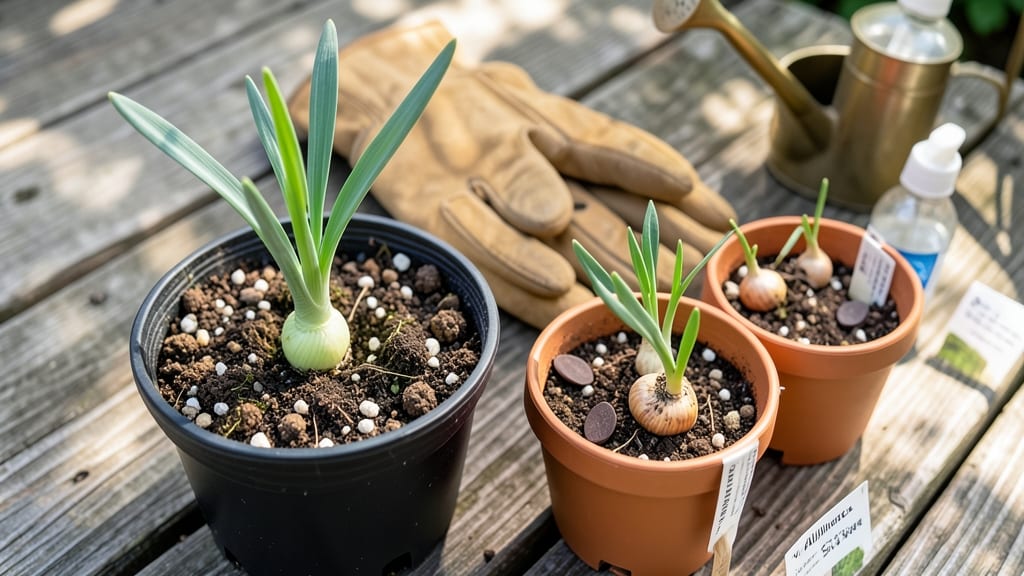
Growing onions from seed in pots lets you grow jewel-toned, crisp bulbs without wasting garden space. 🌱 I’ve grown onions in containers for years—even in my tiny city balcony—and the secret is simple: the right pot, soil, and patience.
Most people assume you need a full garden bed, but onions thrive in just 5-gallon containers with proper care. The key is starting with the right seeds—short-day onions for southern climates or long-day for northern zones.
Plant them ½ inch deep, spaced 1 inch apart, and keep the soil moist but never soggy. A sunny windowsill or grow light keeps them happy until they’re ready for transplanting into larger pots by early spring.
By midsummer, you’ll harvest tender green onions or wait until next year for full bulbs. The best part? No weeds, no soil-borne diseases, and zero waste—just fresh onions whenever you need them. Perfect for small spaces, urban gardens, or anyone tired of store-bought onions that last two days.
Here’s the trick: use well-draining soil and 12-inch-deep pots for bulbs. If you’re short on space, stick to green onions—they’re just as flavorful and grow faster. Ready to get started?
📚 In This Guide
- What you need
- Instructions
- Tips and common mistakes
- Wrapping up and next steps
What you need
- ● Onion seeds: Choose short-day or intermediate-day varieties (e.g., 'Texas Early White' or 'Stuttgarter'). Aim for 1 packet (500-1,000 seeds) to fill a standard pot.
- ● Containers: 5-6 inch deep pots (minimum) with drainage holes. Use 3-4 pots for a small batch or a 10-12 inch pot for a larger harvest.
- ● Seed trays or shallow containers (for starting seeds indoors, if needed).
- ● Potting mix: 1 bag (1-2 cubic feet) of well-draining, seed-starting mix (avoid garden soil—it’s too dense!).
- ● Drainage material: Small pebbles, perlite, or broken pottery pieces (½ cup) for the bottom of pots.
- ● Watering can or spray bottle with a fine mist nozzle (to avoid disturbing seeds).
- ● Fertilizer: Balanced liquid fertilizer (e.g., 10-10-10, ¼ tsp per gallon of water) for seedlings.
- ● Low-nitrogen granular fertilizer (e.g., 5-10-10, 1 tbsp per pot) for mature plants.
- ○ Twine or small stakes (optional but helpful for supporting tall varieties like topsetters).
- ● Grow lights or sunny windowsill (if starting seeds indoors before last frost).
- ● Mulch (e.g., straw or grass clippings) to retain moisture and suppress weeds.
- ● pH test kit (onion soil prefers 6.0-7.0 pH; amend with lime if needed).
- ● Compost or worm castings (for nutrient-rich soil).
- ● Label markers (to track varieties and planting dates).
Step-by-step instructions for growing onions from seed in pots
Here's how to grow healthy, zero-waste onions in small containers using simple techniques.
🌱 Step 1: Prepare Containers and Soil Mix
Start with 8-inch diameter pots—each will yield 1-2 mature onions when planted with 2-3 seeds per pot. Fill them with a mix of 50% potting soil and 50% compost to give roots plenty of nutrients without compacting. I like to add a handful of perlite to each pot to improve drainage, since onions despise soggy roots.
Moisten the mix until it feels like a damp sponge—squeeze it gently and it should hold together but not drip. Tap the pot on the table once to settle the soil, then create ¼-inch deep furrows with your finger. These tiny trenches help seeds stay in place and maintain consistent moisture.
🌱 Step 2: Sow Seeds and Maintain Moisture
Plant 2-3 onion seeds per pot, spacing them 1 inch apart in the furrows. Cover them with a thin layer of soil—just enough to hide the seeds but not bury them deeper than ¼ inch. Press lightly to ensure good seed-to-soil contact, then water gently with a spray bottle until the surface looks evenly moist.
Here's the thing—onion seeds need consistent moisture to germinate, but they'll rot if drowned. Place pots in a humidity dome or cover with plastic wrap to retain warmth and moisture. Keep them in a spot with 60-65°F temperatures—a sunny windowsill or under a grow light works well. Germination takes 10-21 days, so patience is key.
☀️ Step 3: Provide Light and Thin Seedlings
Once seedlings emerge, remove the humidity dome immediately to prevent fungal growth. Place pots in full sun (at least 6 hours daily) or under grow lights positioned 4-6 inches above the plants. You'll know your onions need more light when they grow leggy—thin, pale stems reaching toward the window.
When seedlings reach 2 inches tall, thin to the strongest plant per pot. Use scissors to snip the weaker stems at soil level—this prevents disturbing roots and gives the remaining plant more space to grow. Water once a week after thinning, keeping the soil evenly moist but not soggy.
💧 Step 4: Fertilize and Monitor Growth
After 4-6 weeks, when onion greens are 4-6 inches tall, switch to balanced liquid fertilizer (10-10-10) diluted to half strength. Feed every 2-3 weeks to encourage bulb development. I like to fertilize in the morning so the plants have time to absorb nutrients before evening.
Watch for yellowing leaves—this usually means overwatering or nutrient deficiency. If the soil feels dry 1 inch below the surface, water deeply. If leaves curl in hot weather, provide afternoon shade to prevent bolting (when onions flower prematurely). With proper care, you'll see small bulbs forming by late summer.
✂️ Step 5: Harvest and Store for Long-Term Use
Onions are ready to harvest when greens yellow and flop over—usually 90-120 days after sowing. Gently loosen the soil around the bulb with your fingers, then lift the entire plant. Shake off excess dirt and cure the onions by laying them in a dry, shady spot for 2-3 weeks. This hardens the skins and prevents rotting.
Once cured, trim the greens and store bulbs in a cool, dark place (like a pantry) for 3-6 months. For zero waste, use the greens in cooking or chop them fresh for salads. You'll have 4-6 mature onions from just four pots—proof that small spaces can yield big harvests!
Tips & tricks for growing onions from seed in pots
Small spaces don't mean small harvests—here's how to maximize your onion yield while avoiding common pitfalls.
Soil Mix Strategy: The 50/50 potting soil to compost ratio is perfect, but here's the thing: if your compost is fresh and chunky, sift it first to avoid large particles that can disrupt root growth. I also recommend adding a pinch of Epsom salt (1 teaspoon per pot) when mixing—it boosts magnesium levels that onions love, especially during bulb formation. This small addition can make a noticeable difference in bulb size by harvest time.
Germination Secret: Those 10-21 days of germination can feel like forever, but you can speed things up slightly by soaking onion seeds in warm water for 6 hours before planting. Just place them in a damp paper towel in a sealed container at 70°F for the soaking period. This doesn't cut germination time dramatically, but it does give you a slight head start. Remember to plant immediately after soaking—they'll be eager to sprout!
Lighting Hack: For the required 6 hours of daily sunlight, position your pots near a south-facing window if possible—this gives the most consistent light exposure. If you're using grow lights, adjust them to 4-6 inches above the plants and keep them on for 12-14 hours daily to mimic natural daylight cycles. I've found that supplementing natural light with grow lights in early spring or late fall can prevent that leggy growth you want to avoid.
Thinning Technique: When thinning to the strongest plant per pot at the 2-inch mark, here's what nobody tells you—use clean scissors and make a clean cut at soil level. The stubs left behind can actually regrow into smaller onions! Just be gentle when removing the weaker plants to avoid disturbing the roots of your chosen winner. This method gives you bonus mini onions while ensuring your main bulb gets all the space it needs.
Pro Tips for Grow Onions From Seed In Pots
- Small spaces don't mean small harvests—here's how to maximize your onion yield while avoiding common pitfalls.
- Soil Mix Strategy: The 50/50 potting soil to compost ratio is perfect, but here's the thing: if your compost is fresh and chunky, sift it first to avoid large particles that can disrupt root growth.
- Germination Secret: Those 10-21 days of germination can feel like forever, but you can speed things up slightly by soaking onion seeds in warm water for 6 hours before planting.
Frequently asked questions
Got questions about growing onions from seed in pots? You’re not alone—let’s tackle the most common ones so you can grow like a pro!
How long does it take for onion seeds to germinate in pots?
Onion seeds typically germinate in 10–21 days, depending on temperature and moisture. Keep the soil consistently moist (not soggy) and place pots in a warm spot (60–75°F). Patience pays off—thin seedlings to 2–3 inches apart once they sprout!
When is the best time to plant onion seeds in pots?
Start seeds indoors 8–12 weeks before your last frost date (early spring) for transplants. For direct sowing, plant in early spring or late summer (avoid heatwaves). Onions thrive in cool weather—aim for soil temps between 50–65°F.
Can I grow onions in small pots, or do they need deep containers?
Onions need at least 6–8 inches of depth per plant. Use 5–6 inch pots for 1–2 onions or larger containers (10+ inches) for a whole family. Repot seedlings if they outgrow their space—crowding stunts growth and reduces harvest quality.
Why are my onion seedlings wilting or turning yellow?
Wilting or yellowing often signals overwatering, underwatering, or pests. Check soil moisture (top inch should dry slightly between waterings). For pests, inspect leaves for aphids or onion flies—spray with neem oil or introduce beneficial insects like ladybugs.
Do I need to fertilize onion seeds, or can I wait until they’re bigger?
Skip fertilizer until seedlings have 2–3 true leaves (about 4–6 weeks). Then, use a balanced, low-nitrogen fertilizer (like 5-5-5) every 4–6 weeks. Over-fertilizing early can burn tender roots—go easy!
Can I grow onions in pots over winter?
Onions are cool-season crops but struggle in freezing temps. If you live in a mild climate (Zone 7+), protect pots with frost cloth. In colder areas, grow them as spring crops or harvest green onions before winter sets in.
Wrapping up and next steps
Growing onions from seed in pots is a rewarding way to enjoy fresh, organic harvests—even in limited spaces!
With just a few simple steps, you’ve got everything you need to cultivate thriving onion plants at home. Remember: patience and consistency are key, and soon you’ll be savoring homegrown flavor straight from your windowsill or balcony.
Ready to take the next step? Try experimenting with different onion varieties—like red or yellow onions—to see which thrives best in your setup. Once you’ve mastered the basics, you can even share your newfound skills with fellow gardening enthusiasts! 🌱