
Size
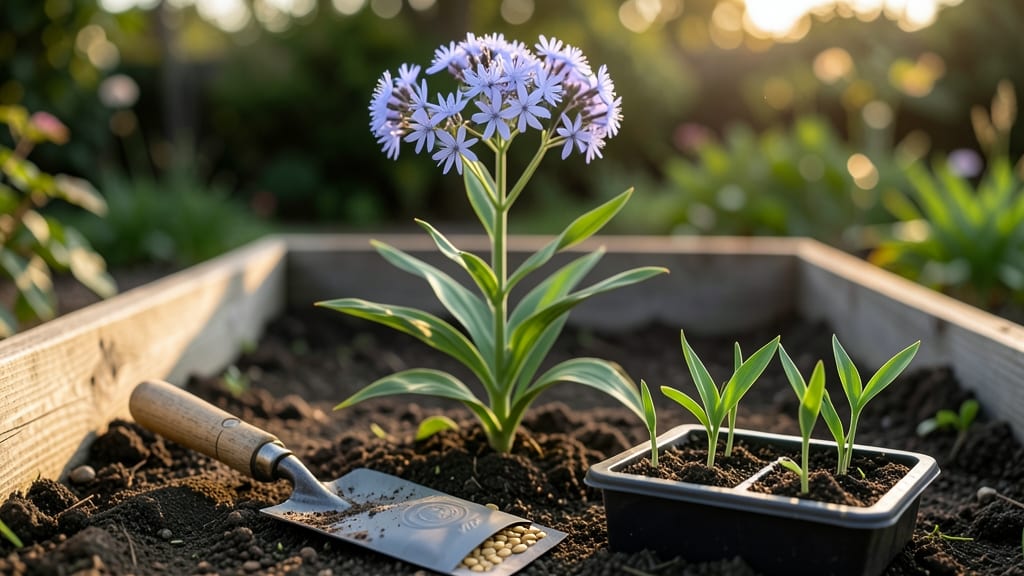
Growing flax seed plants is the ultimate zero-waste gardening project—every part of the plant has a purpose. 🌱 From the delicate blue flowers to the golden seeds, flax gives back more than you plant.
My first attempt last spring turned into a thriving patch that produced enough seeds for oil and fiber, and I’m sharing exactly how to replicate that success in your garden.
Flax thrives in full sun and well-draining soil, making it perfect for small spaces or containers. Start seeds indoors 6-8 weeks before your last frost, or sow directly in spring when soil temperatures reach 50°F.
The plants grow quickly—expect 2-3 foot stalks with clusters of tiny blue flowers that bees adore. Spacing them 6-12 inches apart ensures good airflow and prevents disease.
Water consistently but avoid soggy soil—flax roots rot easily. Once established, these plants are drought-tolerant, but consistent moisture during flowering ensures a bountiful seed harvest. By midsummer, you’ll have a field of swaying flax ready for harvest, with seeds that can be pressed for oil or spun into linen fiber.
The best part? You’ll never waste a single part of the plant.
Common issues like slow germination or yellowing leaves usually stem from overwatering or poor drainage. If you notice stunted growth, check your soil—flax prefers slightly acidic conditions.
With the right care, you’ll end up with a zero-waste harvest that’s as rewarding as it is versatile. Ready to grow your own flax? Let’s get started!
📚 In This Guide
- What you need
- Instructions
- Tips and common mistakes
- Wrapping up and next steps
What you need
- ● Flax seeds: Purchase certified organic or heirloom flax seeds (e.g., Linum usitatissimum). Aim for 1–2 pounds per 100 sq. ft. of garden space.
- ● Growing space: Outdoor: Full sun (6+ hours/day), well-draining soil (pH 6.0–7.5).
- ● Containers: At least 12-inch-deep pots with drainage holes (1–2 plants per pot).
- ● Soil: Loose, fertile soil amended with compost (or a balanced 10-10-10 fertilizer at planting).
- ● Watering can or hose: With a gentle spray nozzle for seedlings.
- ● Garden trowel or transplanter.
- ● Rake or hoe for weeding.
- ● Pruning shears (for harvesting).
- ● Row cover or shade cloth (to protect young plants from pests).
- ○ pH testing kit (optional but helpful for soil prep).
- ● Patience! Flax seeds germinate in 7–14 days and mature in 90–120 days.
- ● Consistent moisture (keep soil evenly damp, not soggy).
- ● Thinning seedlings to 6–12 inches apart once they’re 2–3 inches tall.
Step-by-step instructions for cultivating flax seed plants
Ready to grow this hardy, multi-purpose annual? Here’s my battle-tested method for thriving flax plants.
🌱 Step 1: Select and Prepare the Planting Site
Flax thrives in full sun with at least 6-8 hours of direct light daily. Choose a spot with well-draining soil—flax hates soggy roots. If your soil is heavy clay, amend it with 2-3 inches of compost and mix in sand or perlite to improve aeration. Test the pH: flax prefers slightly acidic to neutral soil, ideally 6.0-7.0.
Clear the area of weeds and loosen the top 6 inches of soil with a garden fork. Flax seeds are tiny, so a smooth, fine seedbed prevents them from being buried too deep. Rake the surface until it’s level—uneven planting leads to inconsistent germination. Here’s the thing: flax seeds need light to germinate, so avoid heavy soil compaction.
🌱 Step 2: Plant Seeds at the Right Depth and Spacing
Sow seeds ¼ inch deep—any deeper and they’ll struggle to reach the surface. Space rows 12-18 inches apart to allow airflow and easy harvesting. For a 4-foot row, scatter seeds thinly every 1-2 inches along the length. I tap the seed packet gently to release one seed at a time—planting too many in one spot leads to overcrowding and weak stems.
Cover seeds lightly with soil and mist the area with water until the surface is damp but not soaked. Avoid heavy watering immediately after planting—it can wash seeds deeper into the soil. Instead, use a fine spray nozzle to keep the soil consistently moist until germination, which typically occurs in 7-14 days.
☀️ Step 3: Maintain Moisture and Monitor Growth
Once seedlings emerge, water deeply 1-2 times per week, ensuring the top 2 inches of soil stay moist. Flax is drought-tolerant once established, but young plants need consistent moisture. Water at the base to avoid wetting the leaves, which reduces disease risk. You’ll see the first true leaves appear within 2-3 weeks—these look like small, lance-shaped blades.
Thin seedlings to 6-8 inches apart when they reach 2-3 inches tall. Use scissors to snip unwanted plants at soil level—this prevents disturbing the roots of remaining seedlings. Real talk: thinning early saves you from dealing with crowded, leggy plants later. Fertilizer isn’t necessary unless your soil is poor; flax is a lightweight feeder.
✂️ Step 4: Harvest Seeds for Zero-Waste Use
Flax plants reach maturity in 90-100 days, when stems turn golden and seeds darken. Watch for seed pods to dry on the plant—this is your cue to harvest. Cut stems with a sharp knife or pruners, leaving 2-3 inches of stalk. Bundle stems and hang them upside down in a dry, well-ventilated area for 2-3 weeks to fully dry.
Once completely dry, rub the seed heads between your hands or use a flail to separate seeds from chaff. Store seeds in an airtight container in a cool, dark place for up to 2 years. The dried stalks can be processed into fiber for linen—no waste here! If you miss the seed harvest, the plants make excellent cut flowers or green manure for the garden.
🌿 Step 5: Prevent Common Issues and Encourage Productivity
Keep an eye out for flax rust, a fungal disease that causes orange pustules on leaves. Remove infected plants immediately and avoid overhead watering. Aphids may appear—blast them off with a strong stream of water or introduce ladybugs for natural control. I’ve found that spacing plants properly cuts down on pest problems dramatically.
If your flax plants start to lodge (fall over), stake them early with 4-6 inch bamboo stakes tied loosely to the stems. This keeps plants upright and improves airflow. For a second crop, replant seeds 4-6 weeks after the first harvest—flax grows quickly and can produce multiple harvests in a season if conditions are right.
Tips & tricks for growing flax seed plants
Here's what nobody tells you about maximizing your flax harvest from seed to seedpod!
Site Preparation Secret: Before planting, create a "seedbed" by raking the soil until it's as smooth as a freshly paved sidewalk. This prevents tiny flax seeds from settling too deep—remember, they need light to germinate. I use a fine-toothed rake and check for any remaining rocks or clumps that could block sunlight. The smoother the surface, the more evenly your seeds will sprout.
Planting Precision: When scattering seeds every 1-2 inches along your 4-foot row, think of it like sowing confetti—lightly and evenly. I find using a small piece of cardboard with a tiny slit cut in it helps control the flow. This spacing ensures each plant gets enough sunlight and nutrients without competing for space. Overcrowding leads to weak stems and poor seed production.
Germination Timing: The 7-14 day germination window can feel like forever, but consistency is key. After planting, I set a reminder to check soil moisture daily—it should feel like a damp sponge, not a swamp. If your climate gets hot, consider covering seeds with a thin layer of straw mulch to retain moisture without blocking light. This little trick can cut germination time by 2-3 days!
Harvesting Hack: When harvesting mature plants, leave that 2-3 inch stalk attached—it's not just for show! The extra stem makes perfect handles when you bundle them for drying. I tie stems in small bundles with twine before hanging, which prevents them from tangling during the 2-3 week drying process. Pro tip: Hang bundles in a location with good airflow but no direct sunlight to prevent mold.
Pro Tips for Grow Flax Seed Plants
- Here's what nobody tells you about maximizing your flax harvest from seed to seedpod!
- Site Preparation Secret: Before planting, create a "seedbed" by raking the soil until it's as smooth as a freshly paved sidewalk.
- Planting Precision: When scattering seeds every 1-2 inches along your 4-foot row, think of it like sowing confetti—lightly and evenly.
Frequently asked questions
Got questions about growing flax seed plants? You’re not alone! Here are answers to the most common queries to help you cultivate this versatile crop with confidence.
How long does it take for flax seeds to germinate?
Flax seeds typically sprout in 7–14 days after planting, depending on soil temperature and moisture. Keep the soil consistently damp (not soggy) and warm—ideal germination occurs at 60–75°F (15–24°C). Patience is key, but if nothing emerges after 3 weeks, recheck seed depth (¼ inch max) or test viability by soaking a few seeds in water.
Can I plant flax seeds in the fall for a spring harvest?
Yes! Flax thrives as a cool-season crop, making fall planting a smart strategy. Sow seeds 4–6 weeks before your first frost for an early spring harvest. Just ensure the soil isn’t waterlogged—flax hates soggy roots. In mild climates, you might even get a winter harvest if planted early enough.
What can I do if my flax plants get too tall or leggy?
Leggy flax? It’s usually a sign of too little light or overcrowding. Thin seedlings to 6–8 inches apart to improve airflow and sunlight exposure. If growing in containers, move them to a sunniest spot ASAP. For extra support, gently stake taller plants or use a light trellis—though flax rarely needs it.
Are there any alternatives to flax seeds for similar benefits?
If flax isn’t your thing, try these nutrient-rich seeds: chia (high in omega-3s, easy to grow), hemp seeds (protein-packed, fast-growing), or sesame seeds (drought-tolerant, versatile). Each offers unique perks—chia and hemp are especially beginner-friendly for home gardens.
Why are my flax plants turning yellow or wilting?
Yellowing leaves often signal overwatering or nutrient deficiency. Flax prefers consistent moisture but well-draining soil. Check for root rot if stems feel mushy. Wilting? It could be heat stress—provide afternoon shade in extreme heat. A balanced fertilizer (low nitrogen) at planting can prevent deficiencies later.
Wrapping up and next steps
Growing flax seed plants is a rewarding journey—packed with zero-waste potential and a sun-loving, low-maintenance crop that thrives in even modest spaces. From selecting the right seeds to harvesting for fiber, food, or oil, every step is simple yet impactful.
Now that you’re armed with the know-how, why not take the plunge? Start small, experiment with varieties, and enjoy the satisfaction of nurturing a plant that gives back in so many ways!
Next step: Pick a sunny spot, grab your seeds, and let nature do the rest—your flax patch (and future meals!) will thank you. 🌱