
Propagation
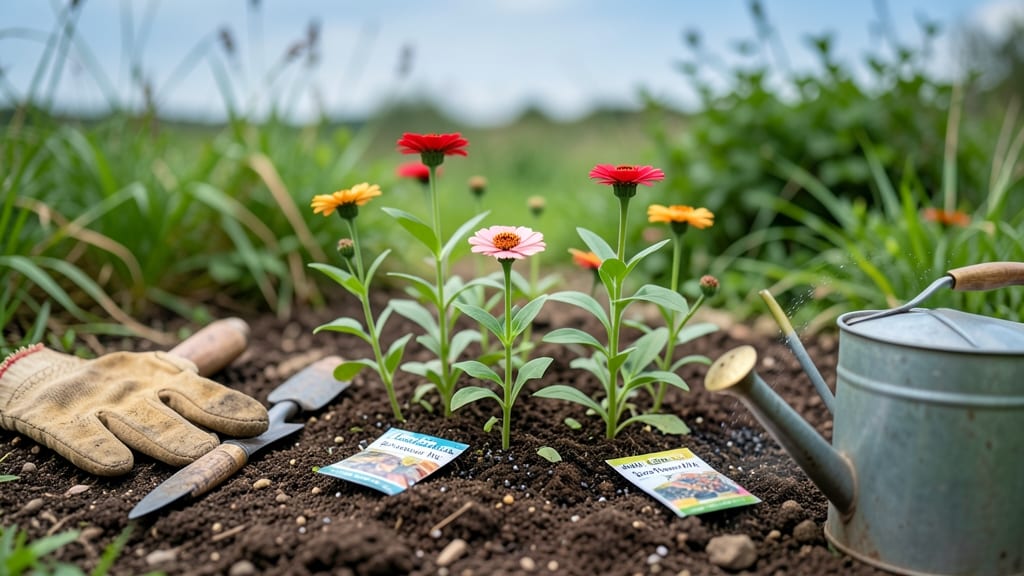
Growing zinnias from seed outdoors delivers shockingly lush blooms that turn heads all summer long. 🌻 I learned the hard way that skipping the seed-starting phase and planting directly outside saves time and produces hardier plants—no transplant shock here. The key?
Timing, soil, and a spot where the sun never backs down. Zinnias thrive in well-draining soil with a pH between 5.8 and 6.2, and they reward patience with nonstop blooms from early summer until frost.
Most varieties germinate in 7-14 days when soil temps hit 60°F or warmer, so wait until after your last frost date. A handful of seeds in a sunny patch (6+ hours of light) is all you need—no fancy setups required.
By mid-summer, you’ll be cutting armfuls of vibrant blooms for bouquets, and the pollinators will be buzzing around like it’s a five-star hotel. The secret? Consistent moisture (but not soggy soil) and deadheading spent flowers to keep the show going. Even my black thumb can’t kill these.
Works for beginner gardeners and busy growers alike—just toss seeds in the ground, water, and let nature do the rest. Here’s how to get started without the guesswork.
📚 In This Guide
- What you need
- Instructions
- Tips and common mistakes
- Wrapping up and next steps
What you need
- ● Zinnia seeds: Choose heirloom or hybrid varieties (e.g., Zinnia elegans). Buy 1–2 packets (50–100 seeds total) for a small garden or 3–4 packets for a full border.
- ○ Well-draining potting mix: 1–2 gallons for starting seeds indoors (optional) or direct-sowing in a lightweight, seed-starting mix (avoid heavy garden soil).
- ● Containers (if starting indoors): Small biodegradable pots (2–3 inches deep) or seed trays with cells (1–2 per seed).
- ● 1–2 plastic nursery trays (with drainage holes) to hold pots.
- ● Garden soil: Loamy, well-draining soil with a pH of 6.0–7.0. Amend with compost (1–2 cups per planting area) for nutrients.
- ● Watering can or hose with a gentle spray nozzle: For even moisture without disturbing seeds.
- ● Plant labels: 10–20 labels (or DIY with popsicle sticks + markers) to track varieties.
- ○ Fertilizer (optional but helpful): Balanced granular fertilizer (10-10-10) or compost tea for seedlings.
- ● Slow-release organic fertilizer (e.g., fish emulsion) for established plants.
- ● Sunny location: 6+ hours of direct sunlight daily (zinnias thrive in full sun!).
- ● Spacing: 12–18 inches apart for single-stem varieties or 8–12 inches for bushier types.
- ○ Mulch (optional): 1–2 inches of straw or shredded leaves to retain moisture and suppress weeds.
- ● Row covers or cloches: To protect seedlings from early frost or pests (lightweight fabric works).
- ● Seedling heat mat (indoors): Speeds up germination if temps dip below 60°F (15°C).
- ● Pruning shears: For deadheading spent blooms and encouraging longer flowering.
- ● Garden gloves: To keep hands clean while handling soil or seeds.
Step-by-step instructions for growing zinnias from seed outdoors
Here's how to coax vibrant zinnias from seed—directly in your garden—with minimal fuss.
🌱 Step 1: Time Your Planting for Warm Soil
Zinnias thrive in warmth, so wait until after your last frost date when soil temperatures reach at least 60°F. I test this by placing a thermometer in the ground—cold soil slows germination and leads to weak seedlings. If your spring is unpredictable, opt for heat-loving varieties like 'Benary's Giant' or 'Profusion' that handle cooler starts better.
Prepare the bed by loosening soil to a depth of 6 inches with a garden fork. Zinnias prefer well-draining soil, so mix in 2-3 inches of compost to boost fertility without compacting. Rake the surface smooth—you’ll see tiny seeds easily later. Avoid fresh manure; it can burn delicate seedlings.
🌱 Step 2: Sow Seeds Shallowly in Rows or Clusters
Scatter seeds ¼ inch deep—they need light to germinate, so don’t bury them deeper. I space rows 12-18 inches apart for easy maintenance, but for a wildflower look, scatter seeds loosely in clusters. Water gently with a fine spray nozzle until the soil is damp but not soggy—overwatering washes seeds away.
Label your rows with stakes or plant markers, as zinnias can cross-pollinate and produce unexpected colors. Thin seedlings to 3-4 inches apart once they reach 2 inches tall, snipping weaker stems at soil level. This prevents overcrowding and encourages stronger blooms. I always save the thinned seedlings for cuttings or gifts.
☀️ Step 3: Provide Full Sun and Consistent Watering
Zinnias demand 6-8 hours of full sun daily—no compromises. Place them where they’ll bask in morning light and afternoon warmth. If your summers are scorching, provide afternoon shade during the hottest weeks to prevent wilting. You’ll notice leaves curling or yellowing if they’re stressed; this is your cue to adjust shade or water.
Water at the base of plants in the morning to reduce fungal risks. Let the top 1-2 inches of soil dry between waterings—zinnias hate soggy roots. Mulch with 1-2 inches of straw to retain moisture and suppress weeds. I avoid synthetic mulches; they trap too much heat and can scorch seedlings.
✂️ Step 4: Deadhead and Support for Long-Lasting Blooms
Pinch back the first set of blooms when they’re still buds to encourage bushier growth. Once flowers open, snip spent blooms just above a set of leaves to prompt continuous flowering. I deadhead every 2-3 days during peak bloom—this keeps zinnias producing until frost. Wear gloves; some varieties have prickly stems.
Tall varieties like 'Zahara' or 'Crystal' may need staking or support as they top 3 feet. Install stakes at planting and gently tie stems with soft plant ties as they grow. Avoid wire ties—they can cut into stems as plants swell. Harvest blooms in the early morning for the longest vase life; cut stems at a 45-degree angle to improve water uptake.
🌿 Step 5: Extend the Season With Succession Planting
For nonstop color, sow new seeds every 2-3 weeks until 6-8 weeks before your first frost. This staggered approach ensures blooms from early summer through fall. I plant a final batch in late summer for a burst of late-season color when many perennials fade. Zinnias self-seed readily, so you’ll likely find volunteers popping up next spring—just thin them to avoid overcrowding.
Save seeds from your favorite varieties by allowing a few blooms to go to seed. Collect dry seed heads in late fall, rub them between your fingers to release seeds, and store them in a cool, dry place. This saves money and preserves the exact colors you love. With minimal effort, zinnias reward you with bold, cheerful blooms all season long.
Tips & tricks for perfect zinnia blooms
These simple strategies will help you grow zinnias that burst with color and thrive all season long.
Soil Temperature Secret: That 60°F soil temperature isn't just a suggestion—it's the magic threshold for germination. I've seen zinnias take weeks to sprout when planted in cooler soil. If your spring is unpredictable, consider using a cloche or row cover to create a microclimate that warms up faster. The payoff? Stronger seedlings that emerge faster and grow more vigorously.
Thinning Technique: When you're thinning seedlings to 3-4 inches apart, don't just pull them—snip at soil level with clean scissors. This prevents disturbing nearby seedlings and gives you perfect cuttings for propagating elsewhere. I always keep a small bucket of water nearby to dip the cuttings in before transplanting them to new locations. The roots will establish in no time!
Deadheading Discipline: That 2-3 day deadheading schedule might seem frequent, but it's what keeps zinnias blooming until frost. I've found that using small pruning shears makes the job quicker and cleaner than fingers. Plus, it's easier to see exactly where to cut just above a set of leaves. For varieties with lots of blooms, I set a timer reminder so I don't forget during busy weeks.
Succession Planting Strategy: The 2-3 week intervals for succession planting might feel like overkill, but trust me—it's worth it. I've timed my plantings so that when one batch starts fading, another is just coming into full bloom. For a continuous display, I mark my calendar with planting dates and even set up a small greenhouse tray indoors to get a jump start on the next batch when nights get chilly.
Pro Tips for Growing Zinnias From Seed Outdoors
- These simple strategies will help you grow zinnias that burst with color and thrive all season long.
- Soil Temperature Secret: That 60°F soil temperature isn't just a suggestion—it's the magic threshold for germination.
- Thinning Technique: When you're thinning seedlings to 3-4 inches apart, don't just pull them—snip at soil level with clean scissors.
Frequently asked questions
Got questions about growing zinnias from seed? You’re not alone—these vibrant bloomers spark curiosity! Here are answers to the most common queries to help you cultivate a thriving zinnia garden with confidence.
When is the best time to plant zinnia seeds outdoors?
Plant zinnia seeds directly outdoors after the last frost when soil temperatures reach at least 50°F (10°C). In warm climates, sow seeds in early spring; in cooler zones, wait until late spring or early summer. Zinnias are frost-sensitive, so avoid planting too early—waiting ensures strong, healthy growth!
How long does it take for zinnia seeds to germinate?
Zinnia seeds typically germinate in 7–14 days under ideal conditions: warm soil (60–70°F or 15–21°C), consistent moisture, and full sun. Thin seedlings to 12–18 inches apart once they sprout to prevent overcrowding. Pro tip: Keep soil moist but not soggy—overwatering can deter germination!
What should I do if my zinnia seedlings look leggy or weak?
Leggy seedlings usually mean too little light or overcrowding. If planted too early or shaded, transplant them to a sunnier spot immediately. Thin seedlings to 12–18 inches apart and ensure they get 6+ hours of direct sunlight daily. Avoid fertilizing young plants—focus on light and spacing first!
Can zinnias survive heavy rain or drought?
While zinnias tolerate moderate drought once established, they hate soggy soil. Heavy rain can cause root rot or fungal issues. Improve drainage by amending soil with compost, and water at the base (not overhead) to keep blooms dry. Mulch around plants to retain moisture without smothering roots—1–2 inches of mulch works best!
Why aren’t my zinnias blooming? What’s wrong?
Zinnias need full sun (6+ hours/day) and regular deadheading (removing spent blooms) to encourage more flowers. If they’re not blooming, check for:
- Shade: Move to a sunnier spot.
- Over-fertilizing: Too much nitrogen = leafy growth, not flowers.
- Pests: Aphids or spider mites can stress plants.
- Cold nights: Zinnias bloom best in warm weather (60°F+ or 15°C+).
Wrapping up and next steps
Growing zinnias from seed outdoors is a rewarding journey that brings vibrant color and joy to your garden with minimal effort! Whether you’re a beginner or a seasoned gardener, these cheerful blooms thrive in sunny spots and reward patience with stunning results. 🌻
Now that you’re armed with the right tools, timing, and techniques, it’s time to roll up your sleeves and plant those seeds. Start small—even a single pot or patch will give you instant gratification.
Once your zinnias take root, don’t stop there: experiment with colors, try succession planting, or share cuttings with fellow gardeners. Happy growing!