
Container Gardens
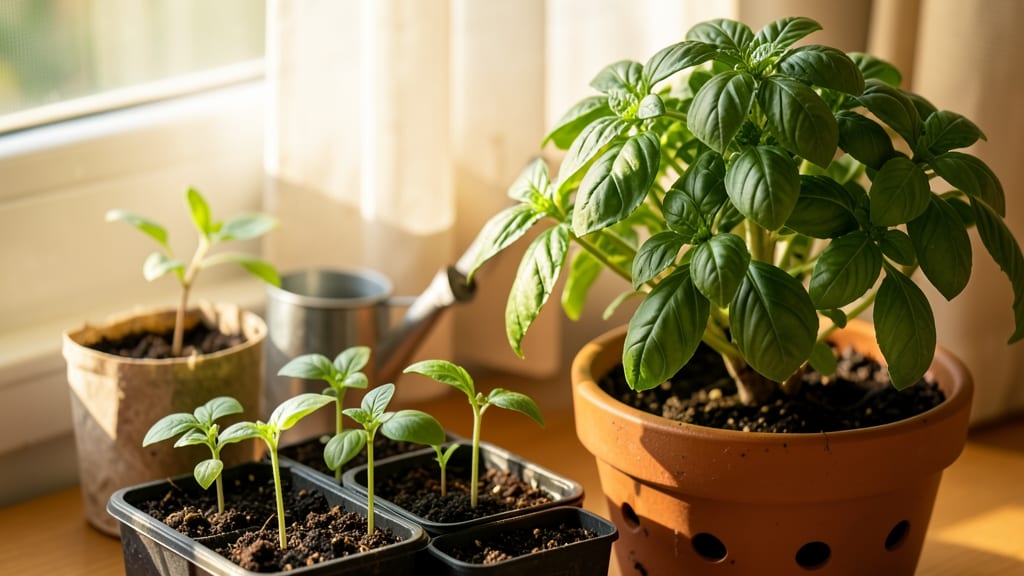
Growing basil from seed in containers turns even a tiny balcony into a fragrant herb factory. 🌱 I’ve grown basil indoors for years, and the secret isn’t fancy equipment—it’s matching the right container, soil, and light to what basil craves.
Most people overwater or crowd seedlings, but with a few simple tweaks, you’ll have lush, productive plants in just 4-6 weeks.
The key starts with a 5-7 inch container (bigger isn’t always better—basil roots spread, not dive deep). Use well-draining potting mix, sprinkle seeds on top (no need to bury them), and keep the soil lightly moist.
A sunny windowsill or grow light is all you need—basil thrives on bright light, not shade. Overcrowding is the #1 mistake; thin seedlings to 2-3 inches apart once they sprout.
By mid-summer, you’ll be harvesting fresh leaves for pesto, sandwiches, or teas—no grocery store wilted bunches here. The plants stay compact, so they’re perfect for small spaces, and you can move them to follow the sun.
Plus, container growing keeps pests like aphids at bay, so your basil stays healthy and happy.
This method works for apartments, patios, or even kitchen counters—no yard required. The only real challenge? Resisting the urge to harvest too much too soon. Let’s get those seeds started!
📚 In This Guide
- What you need
- Instructions
- Tips and common mistakes
- Wrapping up and next steps
What you need
- ● Basil seeds: 1 packet (about 20-50 seeds, depending on the brand). Opt for Genovese, Sweet Basil, or Thai Basil for variety!
- ● Containers: 1-2 pots per basil plant (minimum 6-inch diameter and depth). Use drainage holes—critical to prevent root rot! 🚫💦
- ● Potting mix: 1 bag of well-draining, seed-starting mix (avoid garden soil—it’s too dense!). Look for blends labeled "organic" or "lightweight."
- ● Grow lights or sunny windowsill: Basil thrives in 6+ hours of sunlight daily. A LED grow light (12-16 inches above plants) works indoors.
- ● Spray bottle: For gentle watering (avoid over-saturating seeds!).
- ○ Twine or plant ties: (Optional) To support taller varieties like Genovese basil.
- ● Seed-starting trays: For germinating seeds before transplanting (speeds up growth!).
- ● Fertilizer: A balanced liquid fertilizer (5-5-5 or 10-10-10) or compost tea to boost growth.
- ● Humidity dome or plastic wrap: Keeps moisture high while seeds sprout (remove once sprouts appear!).
- ● Self-watering planters: Reduces maintenance for busy gardeners!
- ● Pest control: Neem oil or insecticidal soap (prevents aphids or spider mites).
Step-by-Step instructions for growing basil from seed in containers
Here's my foolproof method for coaxing fragrant basil from tiny seeds into thriving plants that fill your kitchen with aroma.
🌱 Step 1: Prepare Containers and Seed Starting Mix
Fill 4-inch diameter containers with a sterile seed-starting mix—never garden soil, as it compacts too much and harbors pathogens. I like to press the mix down gently until it's firm but still crumbly, like damp sand. This creates the perfect balance for tender basil roots to establish without suffocating.
Moisten the mix with room-temperature water until it feels like a wrung-out sponge—damp throughout but not dripping. The goal is even moisture without waterlogging, which causes seeds to rot before they sprout. Tap each container lightly on the table to settle the soil and eliminate air pockets that could prevent root contact.
🌱 Step 2: Sow Seeds at the Right Depth and Cover Lightly
Basil seeds are tiny, so I use a toothpick to make a ¼-inch deep hole in the center of each container. Place 2-3 seeds per hole—you'll thin later, but this gives insurance against poor germination. The secret is covering them with just enough mix to hide them completely, then misting the surface with water until it looks uniformly damp.
I know it seems counterintuitive, but don't press down on the soil after planting. Basil seeds need darkness to germinate, and any compaction will slow their emergence. Instead, place the containers in a warm spot (70-75°F) and cover them loosely with plastic wrap to retain moisture and warmth.
☀️ Step 3: Provide Warmth and Light for Germination
Germination takes 7-14 days, depending on your home's warmth. I place mine on a seedling heat mat set to 75°F—this consistency is key, as basil seeds won't sprout if the soil temperature drops below 65°F. Check daily for moisture, but resist the urge to water; the plastic wrap traps enough humidity.
As soon as you see the first green sprouts (first true leaves, not the initial seed leaves), remove the plastic immediately. Basil seedlings are delicate, and trapped moisture invites damping-off, a fungal disease that collapses stems overnight. Move them to a bright, indirect light spot within 24 hours of sprouting.
💧 Step 4: Thin Seedlings and Transition to Direct Sun
When seedlings reach 2 inches tall and have 2-3 sets of true leaves, it's time to thin. Use scissors to snip the weakest seedling at soil level, leaving the strongest one per container. This prevents competition and gives your basil room to grow into a bushy, productive plant.
Now, introduce them to 4-6 hours of morning sun daily. Basil loves light but burns easily, so I gradually increase exposure over 5-7 days. You'll know they're ready for full sun when their leaves are dark green and the stems feel sturdy when touched. Avoid afternoon sun until they're fully hardened off—those leaves will scorch if rushed.
✂️ Step 5: Maintain and Harvest for Continuous Growth
Water when the top inch of soil feels dry, always at the base to prevent fungal spores from splashing onto leaves. I fertilize every 2-3 weeks with a balanced liquid fertilizer diluted to half strength—basil is a heavy feeder but hates salt buildup from over-fertilizing.
Here's the thing about basil—it grows best when you harvest it regularly. Pinch off the top set of leaves when the plant reaches 6 inches tall, and you'll encourage bushier growth. Harvest again when new leaves form, always cutting just above a leaf node. This method keeps your basil productive for months and prevents it from flowering too soon, which turns leaves bitter.
Tips & tricks for growing basil from seed in containers
These little-known details make all the difference between struggling seedlings and thriving basil plants.
Soil Temperature Secret: The 75°F soil temperature in Step 3 is non-negotiable for germination. I use a small thermometer to monitor my seedling heat mat—if it drops below 65°F, germination slows dramatically. For cooler homes, place containers on top of the fridge (not inside) for consistent warmth. Pro tip: Warmth from a sunny windowsill can work too, but test with your hand first—it should feel comfortably warm, not hot.
Light Transition Strategy: When moving seedlings to bright, indirect light in Step 3, I start with just 2 hours the first day and increase by 1 hour daily. This gradual hardening prevents leaf burn. Watch for leaves that look pale or translucent—they're begging for more light, but too much too soon causes stress. A south-facing window with sheer curtains works perfectly for this phase.
Harvesting Hack: That 6-inch height in Step 5 is your cue to start harvesting, but don't wait until you see flowers—once buds appear, the leaves become bitter. I harvest every 2-3 weeks by cutting just above the leaf node (where leaves meet the stem), and my plants keep producing like clockwork. This method also prevents leggy growth by encouraging bushier side shoots.
Container Upgrade: While 4-inch containers work, I upgrade to 6-inch pots after thinning in Step 4. The extra space gives roots room to establish before the plant outgrows its container. Add a handful of compost to the bottom for better drainage—basil roots need oxygen as much as water. Drill drainage holes if your containers don't have them!
Pro Tips for Growing Basil From Seed In Containers
- These little-known details make all the difference between struggling seedlings and thriving basil plants.
- Soil Temperature Secret: The 75°F soil temperature in Step 3 is non-negotiable for germination.
- Light Transition Strategy: When moving seedlings to bright, indirect light in Step 3, I start with just 2 hours the first day and increase by 1 hour daily.
Frequently asked questions
Got questions about growing basil from seed in containers?
You’re not alone—here are answers to the most common ones to help you cultivate a thriving herb garden with ease!
How long does it take for basil seeds to germinate?
Basil seeds typically sprout in 7–14 days when kept in warm, moist soil (around 70–75°F). For faster results, use a heat mat or place the container in a sunny windowsill. Patience is key—don’t overwater or disturb the soil while waiting!
When is the best time to plant basil seeds indoors?
Start seeds 6–8 weeks before your last frost date (early spring) for a head start. If you’re in a warm climate, you can plant directly in containers anytime between late spring and early summer. Basil thrives in warmth, so avoid planting too early when nights are still chilly.
Can I grow basil in any container, or are there specific requirements?
Most containers work—just ensure they have drainage holes to prevent root rot. Opt for pots at least 6–8 inches deep (basil has shallow roots but needs space to grow). Self-watering containers or fabric grow bags are great for consistency, while hanging baskets work for trailing varieties like Genovese basil.
Why are my basil seedlings turning yellow or wilting?
Yellowing leaves often signal overwatering or poor drainage, while wilting can mean underwatering or root stress. Check soil moisture (top inch should be dry), ensure proper airflow, and avoid cold drafts. If pests like aphids appear, spray with soapy water or neem oil for a natural fix.
Can I grow basil from seed if I don’t have a sunny windowsill?
Use a grow light (12–16 hours/day) to mimic sunlight, or place containers near a south-facing window. Basil needs 6+ hours of light daily, so supplement with artificial light if natural light is limited. A sunny balcony or patio also works—just rotate pots occasionally for even growth!
Wrapping up and next steps
Growing basil from seed in containers is a rewarding and space-efficient way to enjoy fresh, flavorful herbs year-round—whether you're a seasoned gardener or just starting out! 🌱 With the right containers, sunlight, and care, you’ll soon be harvesting vibrant leaves for pesto, salads, or teas. Don’t stop here—experiment with companion plants like tomatoes or peppers to maximize your container garden’s potential!
🌟 Next Steps:
- Start with 1-2 basil seeds in a small pot to test your setup.
- Once confident, scale up or try growing other herbs like cilantro or parsley.
- Share your progress with fellow gardeners—tag us in your container garden pics! 📸