
Lawn
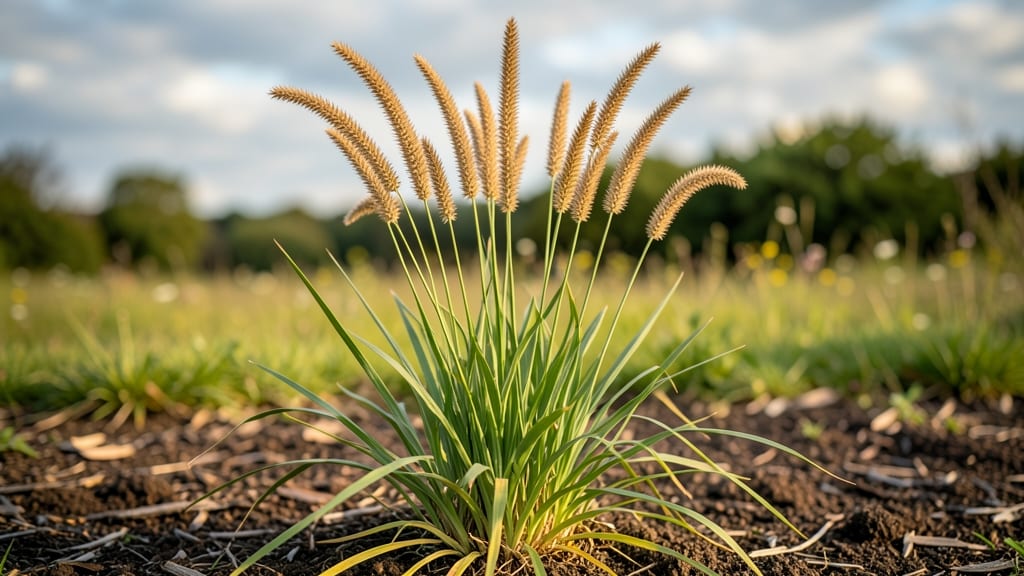
Those spiky seed pods aren’t just ornamental—they’re nature’s way of releasing seeds without your help. 🌱 I’ve grown grasses with these distinctive heads for years, and they’re easier to manage than most people think, especially if you understand their growth habits and seasonal rhythms.
Orchard grass (Dactylis glomerata) and foxtail (Alopecurus pratensis) are classic examples, but ornamental grasses like Pennisetum bring bold texture to gardens. The secret to their success? Full sun to partial shade, well-draining soil, and moderate watering—never soggy roots.
They thrive in borders, meadows, or even as erosion-control plants along slopes. Once established, these grasses need minimal care: trim back in late winter to encourage fresh growth, and watch as those signature seed heads form by mid-summer.
They attract birds and pollinators while adding movement and structure to any landscape. Perfect for low-maintenance gardens, wildlife-friendly spaces, or even as a drought-tolerant groundcover. Let’s dive into how to grow them effortlessly!
📚 In This Guide
- What you need
- Instructions
- Tips and common mistakes
- Wrapping up and next steps
What you need
- ● Heavy-duty gardening gloves (1 pair) – Protect your hands from prickly pods and sharp edges!
- ● Sturdy pruning shears or hedge clippers – Choose bypass-style for clean cuts (1 set).
- ● Garden rake with sturdy tines – Helps gather and remove debris (1-2, depending on lawn size).
- ● Trash bags or compost bin – For disposal or repurposing seed pods (10-20 bags, depending on volume).
- ○ Knee pads or a small stool – Saves your knees during long sessions (optional but highly recommended!).
- ● Water spray bottle or hose – Keeps dust down and helps loosen stubborn pods.
- ● Leaf blower – Speeds up cleanup if you have a large area.
- ● Long-handled grabber tool – For reaching tricky spots without bending.
- ● Natural oil (like coconut or olive oil) – Helps soften stubborn seed pods for easier removal.
- ● Notebook & pen – Track progress or note areas needing extra attention.
How to grow and maintain grass with spiky seed pods
Here's how to cultivate these striking grasses naturally—no pruning battles required.
🌱 Step 1: Select the Right Species for Your Climate
Choose grasses like Pampas grass (Cortaderia selloana), Muhly grass (Muhlenbergia), or Feather reed grass (Calamagrostis acutiflora)—all known for their dramatic seed pods. These varieties thrive in USDA Zones 5-10, with Muhly grass handling cooler climates best. I always check the mature height: Pampas grass can reach 10 feet tall, while Muhly stays compact at 2-3 feet.
Plant in full sun for maximum seed pod development—at least 6-8 hours daily. If your site gets afternoon shade, opt for Muhly grass, which tolerates partial shade better than others. The key is matching the grass to your light conditions; leggy growth or sparse seed heads usually mean insufficient sunlight.
☀️ Step 2: Prepare the Soil and Plant Correctly
Amend native soil with 2-3 inches of compost to improve drainage—these grasses hate soggy roots. I mix in a handful of perlite for extra aeration, especially in clay-heavy soils. For containers, use a well-draining potting mix with 20% sand added. Plant in spring or early fall when temperatures are mild but not extreme.
Dig holes twice as wide as the root ball but only as deep—burying too deeply suffocates roots. Space plants 3-6 feet apart, depending on the variety. Water deeply after planting to settle the soil around roots, then let the top 2 inches dry out before watering again. Overwatering now will delay seed pod formation.
💧 Step 3: Water and Fertilize for Optimal Growth
Once established, these grasses need minimal watering—about 1 inch per week during dry spells. I water at the base in the early morning to prevent fungal issues from prolonged moisture on foliage. Fertilize lightly in early spring with a balanced 10-10-10 formula, but skip heavy feeding—rich soil leads to lush leaves but fewer seed pods.
Watch for yellowing leaves in summer—this often means underwatering, not overwatering. If the soil feels dry 1 inch below the surface, it's time to water. Mulch with 2 inches of wood chips to retain moisture and suppress weeds, but keep mulch 6 inches away from the base to prevent rot.
✂️ Step 4: Prune Strategically to Encourage Seed Pods
Here's the thing—never cut back until after seed pods form. I wait until late winter or early spring when new growth begins, then cut 2-3 inches above the ground. This preserves the plant's energy for next year's seed production. For container-grown grasses, I trim with clean, sharp shears to avoid tearing stems.
If you must remove old seed heads earlier (for aesthetics), cut only the spent flower stalks, leaving the lower foliage intact. The goal is to maintain the plant's structure while encouraging new growth. Avoid pruning in fall—this removes winter interest and can damage the crown.
🌿 Step 5: Protect and Maintain for Long-Term Beauty
Watch for pests like spider mites or diseases like rust—both can weaken the plant. I treat mites with a neem oil spray in early summer if I spot webbing. For rust, remove infected leaves immediately and improve airflow by thinning crowded plants. These grasses are generally low-maintenance, but proactive care keeps them thriving.
In winter, leave seed heads intact—they provide texture and food for birds. Only remove them if they're damaged or falling apart. For container plants, move them to a protected location if your winters drop below 10°F. A thick layer of straw mulch insulates roots and prevents heaving.
Tips & tricks for perfect ornamental grass care
These simple strategies will help you coax out those stunning seed pods without the usual pruning headaches.
Sunlight Strategy: The 6-8 hours of full sun requirement isn't just about growth—it's about seed pod development. I've noticed that Muhly grass in partial shade still produces seed heads, but they're noticeably smaller and less dramatic. For maximum impact, position your plants where they'll get morning sun and afternoon light, even if it means moving them slightly from their original spot. The key is avoiding deep shade, which causes leggy growth and weak seed stalks.
Soil Science: That 2-3 inches of compost isn't just for drainage—it's about creating the right microbial environment. I always add a handful of worm castings along with the perlite, especially in clay soils. The worms help break down organic matter faster, giving your grasses a nutrient boost without overfeeding. For containers, I mix in 20% sand by volume—this prevents compaction and mimics the fast-draining conditions these grasses prefer in their native habitats.
Pruning Precision: When you're ready to cut back in late winter, use a clean, sharp pair of shears and make your cuts at a 45-degree angle just above a leaf node. This angled cut prevents water from pooling on the stub, which can lead to rot. I always mark the 2-3 inch height with a piece of string tied to the shears—this ensures consistency across multiple plants. The goal is to remove only the dead growth while preserving the plant's energy reserves for next season's seed production.
Winter Protection: For container plants in areas with temperatures below 10°F, I've found that wrapping the pots in burlap and moving them to a sheltered location works better than just adding mulch. The burlap creates an insulating air pocket that protects against rapid temperature fluctuations. In-ground plants benefit from a 4-6 inch layer of straw mulch—this keeps roots insulated while allowing water to penetrate. The straw also provides winter interest by catching snow, which slowly melts and provides moisture during dry winter spells.
Pro Tips for Grass With Spiky Seed Pods
- These simple strategies will help you coax out those stunning seed pods without the usual pruning headaches.
- Sunlight Strategy: The 6-8 hours of full sun requirement isn't just about growth—it's about seed pod development.
- Soil Science: That 2-3 inches of compost isn't just for drainage—it's about creating the right microbial environment.
Frequently asked questions
Got questions about that pesky grass with spiky seed pods taking over your lawn? You're not alone! Here are some of the most common queries—and straightforward answers—to help you tackle the issue without frustration.
What kind of grass produces spiky seed pods?
Most likely, you’re dealing with crabgrass or goosegrass (also called "stick grass"). These weeds thrive in warm seasons and spread aggressively. Other culprits include nutgrass or foxtails, which also have sharp, spiky seed heads. Identifying the type helps you choose the right treatment.
When is the best time to remove these seed pods?
Remove them before they mature—ideally in late summer or early fall when the pods are still green and soft. If left until winter, the seeds will scatter, leading to more weeds next season. Pulling them by hand (with gloves!) or mowing frequently can prevent spread. Pro tip: Use a seed-head catcher on your mower to trap fallen pods.
How do I safely remove spiky seed pods without hurting myself?
Wear thick gardening gloves (like leather or heavy-duty work gloves) and long sleeves to protect your skin. Use a weed puller or digging fork to extract roots—never grab pods barehanded! For stubborn patches, apply a vinegar-based herbicide (20-30% acetic acid) on a dry, sunny day. Safety first!
Are there natural ways to prevent grass with spiky seed pods?
Yes! Improve your lawn’s health with these steps:
- Mow high (3–4 inches) to shade out weeds.
- Apply a pre-emergent herbicide in early spring to block seeds.
- Water deeply but infrequently to discourage weed growth.
- Spread mulch or grass clippings to smother existing weeds.
Will the seed pods come back if I don’t remove them?
Each pod can release hundreds of seeds, which lie dormant in the soil for years. If ignored, you’ll face a worse infestation next season. Consistency is key—remove pods year-round and monitor your lawn closely. Think of it as a marathon, not a sprint!
How do I tell if the spiky pods are harmful to pets or kids?
Most grass seed pods (like crabgrass) aren’t toxic, but they can irritate skin or cause minor cuts. Foxtails, however, are dangerous—their barbed seeds can lodge in paws, noses, or ears of pets (and even humans!). If you suspect ingestion or deep lodging, contact a vet immediately. Keep kids and pets away from heavily infested areas until removal. When in doubt, bag and dispose of pods safely!
Wrapping up and next steps
From grass with spiky seed pods to a hassle-free lawn, you’ve now got the know-how to collect seeds without the struggle! Remember, patience and the right tools—like gloves and a bag—make all the difference.
Whether you’re saving seeds for propagation or simply admiring nature’s design, this method keeps you safe and efficient.
Ready to put your new skills to the test? Grab your supplies, head outdoors, and start harvesting those seeds with confidence! 🌱✨