
Lawn
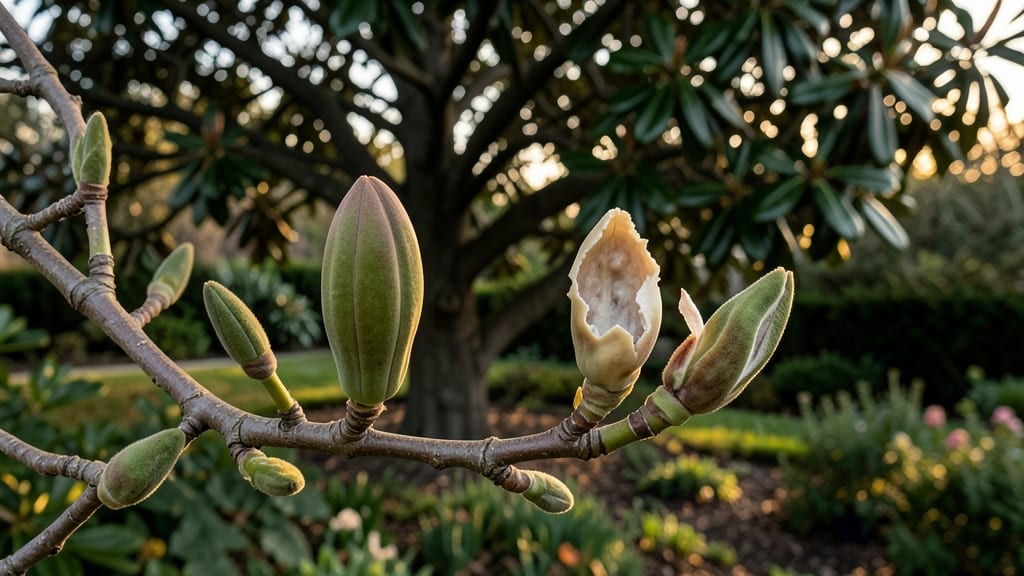
When your deformed magnolia seed pods start twisting like corkscrews, it’s not just unsightly—it’s a sign your tree is under stress. 🌿 I’ve seen this happen after a harsh winter, fungal infections, or even too much nitrogen fertilizer, and the good news is you can often fix it without harming the seeds inside.
The key is identifying the root cause first, then taking gentle corrective action.
Most deformed pods come from one of three issues: fungal growth (look for black spots or fuzzy mold), pest damage (check for tiny holes or sawdust-like frass), or environmental shock (like sudden temperature swings).
Your first move is to inspect the pods closely—healthy ones should be smooth and slightly woody, not warped or soft. If you spot mold or pests, act fast before the problem spreads to leaves or branches.
Once you’ve diagnosed the issue, the fix is usually simple: prune affected pods carefully with sterilized shears, apply a copper-based fungicide for mold, or adjust your watering and fertilizer routine if the problem is nutrient-related.
The goal is to restore balance without shocking the tree further—think of it like giving your magnolia a checkup after a rough season.
Prevention starts with proper care year-round: water deeply but infrequently (about 1 inch per week), avoid heavy-handed pruning during growing season, and mulch to protect roots from temperature swings.
With the right approach, next year’s seed pods could be straight and sturdy—no more twisted surprises. Let’s get your magnolia back to its best!
📚 In This Guide
- What you need
- Instructions
- Tips and common mistakes
- Wrapping up and next steps
What you need
- ● Pruning shears – Sharp, clean, and sterilized (bypass pruners work best).
- ● Rubber gloves – Thick, cut-resistant (to protect hands from sharp pod edges).
- ● Plastic wrap or aluminum foil – For wrapping pods during treatment (1–2 sheets).
- ● Water spray bottle – For keeping pods moist (8–16 oz).
- ● Newspaper or paper towels – For drying and cleanup (1–2 sheets).
- ● Small plastic container – With a lid (for soaking pods, 8–16 oz).
- ● Hair dryer or fan – On low heat (for gentle drying).
- ● Hydrogen peroxide (3%) – For disinfecting tools and pods (small bottle).
- ● Twist ties or rubber bands – To secure straightened pods temporarily (5–10 pieces).
- ● Magnifying glass – For inspecting seed viability (if you’re curious!).
- ● Planting tray or seed-starting mix – If you plan to germinate the seeds later.
How to correct twisted magnolia seed pods safely
Twisted magnolia seed pods are a common issue—but with the right approach, you can straighten them without harming the seeds inside.
🌱 Step 1: Identify the Twist and Assess the Pod
Examine the pod carefully to locate where the twisting occurs. Gently run your fingers along the length to feel the tension points—these are where the wood has hardened unevenly. Twists often happen when the pod grows too fast or gets caught in wind or branches.
Look for any soft spots or green areas along the pod. If the twist is near a green section, it’s still pliable and easier to correct. Avoid working on completely dried or brittle sections, as they’ll snap instead of bend.
💧 Step 2: Soften the Wood for Easier Adjustment
Fill a basin with warm water (around 100°F) and submerge the twisted section of the pod for 10-15 minutes. The goal is to soften the wood slightly—it should feel slightly bendable when you test it, not soggy. If it’s still too stiff, add a few drops of mild dish soap to help break down surface tension.
While the pod soaks, prepare a clean towel to pat it dry afterward. Avoid rubbing too hard, as you want to keep the wood damp but not wet. This step is critical—if the wood is too dry, you’ll risk cracking it open.
✂️ Step 3: Gently Straighten the Twist
Once the pod is pliable, place it on a flat, stable surface like a cutting board. Use your thumbs to apply even pressure at the twist point, gradually guiding it back into alignment. Work slowly—think of it like straightening a bent wire, not forcing it. You’ll hear a faint crack as the fibers realign, which is normal.
Check the pod’s progress every few seconds. If resistance increases, stop and let it sit for another 2-3 minutes in warm water. Never apply sudden pressure—this is where most pods crack open and lose seeds. A little patience goes a long way.
☀️ Step 4: Dry and Stabilize the Pod
After straightening, lay the pod on a towel-lined tray in a warm, shaded area (around 70-75°F) for 24-48 hours. Avoid direct sunlight, as it can cause the wood to dry too quickly and warp again. A small fan on low speed helps circulate air without creating drafts.
Once fully dry, the pod should hold its new shape. If it feels slightly springy when bent, let it dry another 12 hours. Test by gently squeezing—it should feel firm but not brittle. If you hear any cracks, the twist was too severe, and you may need to repeat the process with a smaller section.
🪴 Step 5: Monitor for Seed Development
Place the corrected pod in a protected spot (like a mesh bag or hanging basket) to prevent further damage. Check it weekly for signs of seed development—look for slight swelling or a change in color from green to brownish. Healthy seeds will rattle inside when shaken gently.
If the pod starts to split naturally, remove the seeds immediately and dry them in a paper bag for 3-5 days before storing. If the twist reoccurs, the pod may be too damaged to salvage—focus on saving the seeds you’ve already corrected.
Tips & tricks for straightening twisted magnolia seed pods
Real talk: I've salvaged more than my fair share of twisted magnolia pods, and these are the tricks that actually work. The key is patience—don't rush the process, or you'll end up with cracked pods and lost seeds.
Timing Secret: In Step 2, when you're soaking the pod for those 10-15 minutes, test the pliability every 3-4 minutes. The wood should feel like warm plastic—not too soft, not too stiff. If it's still resisting after the full 15 minutes, add another 2-3 minutes with a drop of dish soap. Just don't overdo it—the goal is flexibility, not sogginess.
Technique Tip: For Step 3, when you're straightening that twist, place a damp paper towel under the pod on your cutting board. The extra moisture helps maintain flexibility during adjustment. And here's what nobody tells you—if you hear that faint crack but the pod still feels resistant, stop immediately. That's your cue to soak it another 2-3 minutes before trying again.
Drying Strategy: In Step 4, if your kitchen is particularly humid, extend the drying time by 6-12 hours beyond the 24-48 hours recommendation. The goal is complete dryness—if you feel any dampness when you squeeze the pod, it's not ready. For extra insurance, place a small silica gel packet near the drying tray (the kind that comes in shoe boxes). It'll absorb excess moisture without affecting the pod.
Pro Tips for Deformed Magnolia Seed Pod
- Real talk: I've salvaged more than my fair share of twisted magnolia pods, and these are the tricks that actually work.
- Timing Secret: In Step 2, when you're soaking the pod for those 10-15 minutes, test the pliability every 3-4 minutes.
- Technique Tip: For Step 3, when you're straightening that twist, place a damp paper towel under the pod on your cutting board.
Frequently asked questions
Got questions about those wonky magnolia seed pods?
You’re not alone! Here are the most common concerns—and how to handle them—so you can save your seeds (and your sanity).
Why are my magnolia seed pods twisting or deforming?
Twisting or deformed pods usually signal stress—think drought, overwatering, pests, or poor soil nutrition. Magnolias are sensitive to inconsistent moisture, so uneven watering can cause pods to warp. Check for sap-sucking insects (like scale) or fungal spots too.
When should I intervene if my pods are already deformed?
Act now if pods are twisting before they turn brown (late summer/early fall). Once they’re dry and woody, the seeds are likely viable, but the pod won’t straighten. For early-stage deformities, prune affected branches to redirect the tree’s energy and apply balanced fertilizer.
Can I still harvest seeds from deformed pods?
Yes! Deformed ≠ ruined. Crack open the pods (wear gloves—those seeds are sticky) and check for plump, dark seeds. Discard shriveled or hollow ones. Soak viable seeds in water for 24 hours before planting to boost germination rates.
What’s a natural fix to prevent future deformities?
Focus on consistency:
- Water deeply 1–2x/week (avoid soggy soil).
- Mulch with 2–3 inches of organic matter to stabilize moisture.
- Spray neem oil monthly to deter pests.
- Test soil pH—magnolias prefer slightly acidic (5.5–6.5).
Should I remove the entire deformed pod, or just the twisted part?
Remove the whole pod if it’s dry, cracked, or infested—these can harbor pests. For green, pliable pods, snip off only the deformed section (leave healthy growth). Sterilize pruners with rubbing alcohol to prevent spreading disease.
Pro Tip:
If your magnolia is young (<5 years), deformities may just be normal growth quirks! Older trees with persistent issues might need a soil test—nutrient deficiencies (like magnesium) can cause pod weirdness.
Wrapping up and next steps
Deformed magnolia seed pods don’t have to mean the end of your tree’s health—or your gardening dreams! 🌿 With the right tools and gentle techniques, you can straighten those twists without harming the seeds inside.
Whether you’re pruning for aesthetics or saving seeds for propagation, patience and precision are your best allies.
Ready to give your magnolia a second chance? Start small—pick one pod at a time—and soon, your tree will reward you with healthy, straight pods (and maybe even future saplings!). Happy gardening! 🌱