
Lawn
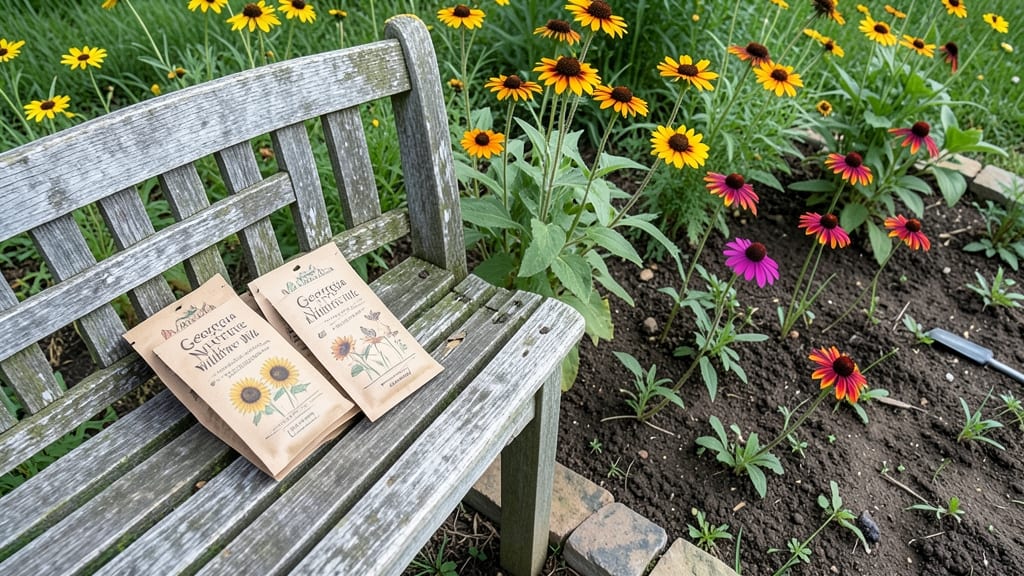
Georgia wildflower seed mix transforms your yard into a pollinator paradise without the fuss. 🌸 I’ve planted mine twice now, and each time I’m stunned by how effortlessly these native blooms return year after year—no twisting, no guessing, just reliable beauty that thrives on its own terms.
The secret starts with soil that drains well and sunlight that’s generous. Most Georgia wildflowers love full sun but adapt to partial shade, while watering needs drop dramatically after the first year. My spring-planted mix blooms by summer, while fall plantings establish roots before winter rains do the heavy lifting.
By mid-summer, you’ll have a meadow bursting with black-eyed Susans, coneflowers, and coreopsis—flowers that hummingbirds, bees, and butterflies can’t resist. The best part? These plants outcompete weeds naturally, so once established, you’ll spend less time maintaining and more time enjoying the show.
Works equally well in wild meadows, garden borders, or even containers. Pair with native grasses like little bluestem for texture, or let it spill over a slope for a low-maintenance, high-impact look. Here’s how to make it happen without the headaches.
📚 In This Guide
- What you need
- Instructions
- Tips and common mistakes
- Wrapping up and next steps
What you need
- ● Georgia Wildflower Seed Mix: 1–5 lbs (per 100 sq. ft.), depending on coverage goals. Choose a native blend for pollinator-friendly blooms.
- ● Rake: A sturdy bow rake (8–12" teeth) for soil prep and seed distribution.
- ● Garden Hoe or Broadcast Spreader: For even seed dispersal. A manual spreader works for small areas; a wheel-style spreader for larger plots.
- ● Water Source: Hose with adjustable nozzle (gentle mist setting) or sprinkler.
- ○ Mulch (Optional but Recommended): Straw or peat moss (¼" layer) to retain moisture and shield seeds.
- ● Sunlight Access: Full sun (6+ hours/day) or partial shade (for shade-tolerant mixes). Test your site first!
- ● Soil Prep: Loosen top 2–3" of soil with a rake or tiller. Remove debris/rocks for optimal seed contact.
- ● Weather Window: Plant seeds in early spring or fall (avoid summer heat/drought).
- ● Patience: Germination takes 7–30 days—stay hydrated (and hydrate your seeds!).
- ● A seed starter fertilizer (low-nitrogen, like 5-10-10) for a boost.
- ● Eco-friendly bird netting to deter hungry critters during germination.
- ● Garden journal to track bloom cycles and seed mix performance.
Step-by-Step guide to harvesting Georgia wildflower seeds for next year
Here's how to collect seeds efficiently without damaging your blooms—so you can replant with confidence.
🌿 Step 1: Identify Mature Seed Pods and Choose the Right Time
Wait until seed pods turn a dry, papery brown and begin splitting open naturally—this usually happens in late summer or early fall, depending on your Georgia microclimate. I check daily after the first frost warning, since moisture triggers germination and you want seeds fully mature but not scattered by wind.
Gently squeeze a few pods between your fingers. If they crumble easily and release seeds, they're ready. Avoid harvesting from pods still attached to green stems—they won't store properly. I use a small notebook to track which varieties ripen first, since some like black-eyed Susans mature weeks before coreopsis.
✂️ Step 2: Harvest Seeds Without Damaging Plants
Use clean, sharp scissors or pruning shears to snip entire seed heads at the base, leaving about 1 inch of stem attached. This prevents soil contamination and makes drying easier. I place harvested heads in brown paper bags immediately—plastic traps moisture and encourages mold before seeds dry.
Work in the morning when humidity is lowest. Avoid harvesting after rain, as wet seeds won't dry properly and may develop fungal issues. For delicate flowers like butterfly weed, I collect seeds by hand using tweezers to avoid crushing the pods.
🪴 Step 3: Dry and Clean Seeds Properly
Spread harvested seed heads on a clean, dry surface in a well-ventilated area out of direct sunlight. I use a baking sheet lined with newspaper, flipping heads every 2-3 days until completely dry (about 7-10 days total). Seeds are ready when they rattle when shaken and the pods break apart easily.
Once dry, gently rub the pods between your hands over a clean white towel to separate seeds from chaff. I use a fine-mesh strainer to catch any small seeds that might blow away. Store seeds in labeled paper envelopes in a cool, dark place—never plastic, as condensation ruins viability.
🌱 Step 4: Test Viability Before Next Season
To ensure your seeds will germinate, perform a simple float test: place 10-20 seeds in a bowl of water. Viable seeds sink within 10 minutes; floaters won't sprout. I test a sample from each variety and record results on my seed envelope.
For best germination, sow seeds in fall or early spring when soil temperatures are 60-70°F. Scatter seeds directly where you want them to grow—Georgia wildflowers thrive with minimal disturbance. Thin seedlings to 6-12 inches apart once they reach 3-4 inches tall, giving them room to establish strong root systems.
Tips & tricks for perfect Georgia wildflower seed harvesting
Here's what I've learned after years of harvesting Georgia wildflower seeds—these tricks make all the difference between viable seeds and wasted effort.
Timing is Everything: The 10-minute float test in Step 4 is your best quality control. I've found that seeds harvested just before the first hard frost (not after) have the highest viability. Georgia's microclimates vary wildly—check your local weather patterns and adjust your harvest window accordingly. If you're in the mountains, aim for late September; coastal areas can wait until October.
Drying Strategy: For the 7-10 day drying period in Step 3, I've discovered that a dehumidifier placed near your drying area cuts drying time by nearly 30%. Place a small fan on low circulation to keep air moving gently—this prevents mold while maintaining even drying. If humidity exceeds 60%, extend drying time by 2-3 extra days to prevent fungal growth.
Storage Wisdom: After cleaning your seeds, I recommend adding a small silica gel packet to each storage envelope. These packets absorb moisture without affecting seed viability, and I've successfully stored seeds for up to 5 years using this method. Label each envelope with both the plant variety and harvest date—this helps you track which seeds are freshest for planting.
Equipment Upgrade: Invest in a small handheld seed cleaner with a fine mesh screen (around 0.02 inches). These $20 tools make short work of separating seeds from chaff, and I've processed entire garden beds in under an hour. For delicate seeds like those from butterfly weed, I use tweezers to hand-pick seeds from the pods before any cleaning process.
Pro Tips for Georgia Wildflower Seed Mix
- Here's what I've learned after years of harvesting Georgia wildflower seeds—these tricks make all the difference between viable seeds and wasted effort.
- Timing is Everything: The 10-minute float test in Step 4 is your best quality control.
- Drying Strategy: For the 7-10 day drying period in Step 3, I've discovered that a dehumidifier placed near your drying area cuts drying time by nearly 30%.
Frequently asked questions
Got questions about transforming your Georgia landscape with wildflower seed mixes?
Here are answers to the most common queries—so you can plant with confidence and watch your garden bloom like never before!
When is the best time to plant Georgia wildflower seed mix?
For optimal results, sow seeds in early spring (March–April) or fall (September–October). Spring planting gives flowers a full season to establish roots before summer heat, while fall sowing avoids competition from summer weeds. Avoid planting in peak summer—hot, dry conditions can stress young seedlings.
How long does it take for wildflowers to bloom after planting?
Most Georgia wildflower mixes take 6–12 weeks to sprout, with blooms appearing 8–12 weeks after germination. Some varieties (like cosmos or zinnias) may flower sooner, while native species like black-eyed Susans could take up to 3–4 months. Patience pays off—full color typically arrives by mid-to-late summer!
Do I need to water my wildflower seeds daily?
Keep soil consistently moist (not soggy) for the first 2–3 weeks—water lightly daily or every other day if rainfall is scarce. Once seedlings sprout, reduce watering to 2–3 times per week. Overwatering can cause mold or wash seeds away. After establishment, wildflowers thrive on natural rainfall and drought tolerance!
Can I mix wildflower seeds with grass seed?
Yes! For a low-maintenance, pollinator-friendly lawn, mix wildflower seeds (10–20% of the blend) with grass seed. Use a no-mow or clover-based mix for best results. Avoid high-nitrogen fertilizers—wildflowers prefer lean soil. Spot-seed in thin grass areas or dedicate a section of your yard solely to wildflowers for maximum impact.
Why aren’t my wildflowers returning next year?
Most annual wildflowers won’t reseed reliably without help. To ensure next year’s blooms:
- Let spent flower heads dry and drop seeds naturally (or gently shake them over new soil).
- Mulch lightly in fall to protect seeds over winter.
- Choose perennial varieties (like coneflowers or bee balm) for built-in reblooming.
- Avoid mowing until after seeds have dispersed (usually late summer/fall).
What’s a good alternative if I don’t want to plant from seed?
Consider wildflower plugs or bare-root plants for instant color! These pre-grown seedlings (available at nurseries) establish faster and reduce the guesswork of seed germination. For native Georgia varieties, check with local conservation groups—some offer discounted native plant sales to support pollinators.
Wrapping up and next steps
Transforming your Georgia landscape into a vibrant wildflower haven is easier—and more rewarding—than you think! With the right Georgia wildflower seed mix, a little patience, and some simple care, you’ll enjoy a burst of color and a thriving ecosystem year after year. 🌸
Ready to take the next step? Start small—plant a patch, track your progress, and soon, you’ll be sharing your flourishing wildflower paradise with neighbors (and pollinators!). Grab your seeds and get growing today!