
Lawn
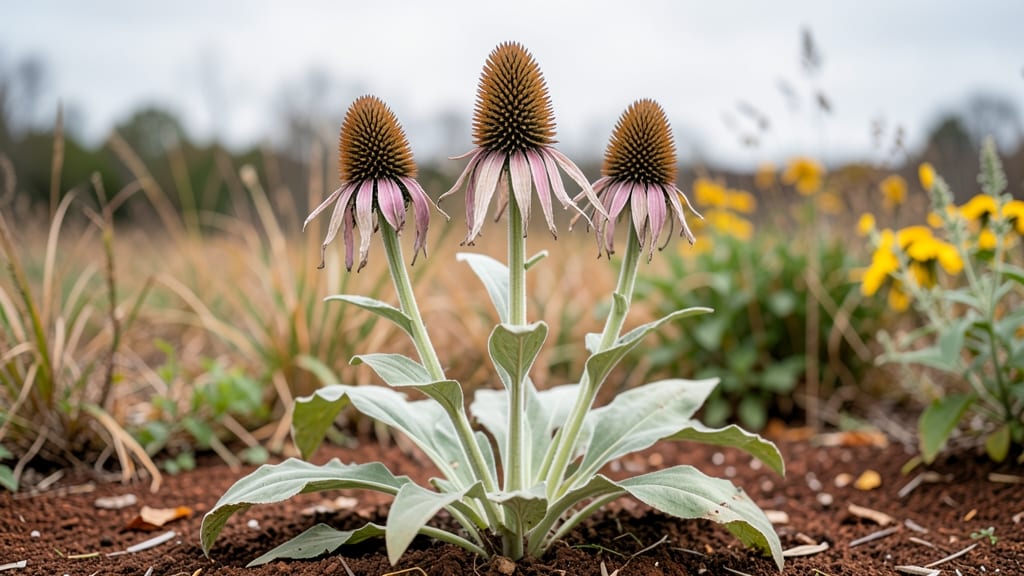
Harvesting echinacea seed heads the right way means no more stubborn twists or wasted seeds. ✨ The secret to collecting viable seeds lies in timing, technique, and knowing exactly when those fluffy seed heads are ready for the taking—before they scatter or rot.
Start by waiting until the seed heads turn a deep, papery brown and the fluffy centers begin to crumble between your fingers. This usually happens in late summer or early fall, depending on your climate.
Grab a pair of clean pruners or scissors and snip the stems just above a leaf node—this encourages next year’s blooms.
Once harvested, lay the seed heads on a screen or paper towel in a dry, shaded spot for 2-3 weeks to finish drying. Shake them gently every few days to release the seeds, then store them in a paper envelope in a cool, dark place.
You’ll end up with seeds that stay viable for years, ready to replant or share with fellow gardeners.
For extra productivity, deadhead spent blooms early in the season—this tricks the plant into producing more flowers (and thus more seeds) instead of going dormant. A little patience now means a bounty of seeds for winter crafts, bird feeders, or next year’s garden.
📚 In This Guide
- What you need
- Instructions
- Tips and common mistakes
- Wrapping up and next steps
What you need
- ● Mature echinacea plants (preferably Echinacea purpurea, E. pallida, or E. paradoxa) with fully dried seed heads (brown, papery, and slightly crumbly).
- ● Pruning shears or sharp scissors (sterilized with rubbing alcohol for hygiene).
- ● Paper bags or breathable seed-saving envelopes (1–2 per plant, labeled with the echinacea variety and harvest date).
- ● Newspaper or cardboard (for drying—avoid plastic to prevent mold!).
- ● Fine-mesh strainer or sifter (to separate seeds from chaff).
- ● Small paper towels or coffee filters (for final seed cleaning).
- ○ Air-tight glass jars or resealable plastic bags (with silica gel packets optional for extra dryness).
- ● Desiccant packets (to absorb moisture in storage).
- ● Handheld vacuum seeder (for large-scale seed collection).
- ● Magnifying glass (to inspect seed viability before planting).
- ● Permanent marker (for labeling jars with variety and harvest year).
Step-by-Step guide to harvesting echinacea seed heads
Here's how I collect seeds without damaging the plant or losing viability.
🌿 Step 1: Wait for Seed Heads to Fully Mature
Harvest only when the seed heads turn a deep, papery brown and the central cone fluffs out noticeably. This usually happens in late summer to early fall, depending on your climate. The seed heads should feel dry and brittle to the touch—if they still have any moisture, wait a few more days.
I check daily once the flowers begin to fade. The moment the petals drop completely and the cone opens up like a tiny dandelion, that's your cue. You'll see the seeds inside glistening faintly, ready for collection. Avoid harvesting when the weather is damp or rainy, as moisture reduces seed viability.
💧 Step 2: Cut the Seed Heads at the Right Time
Use clean, sharp pruners or scissors to cut the seed heads just above the first set of leaves. This prevents disease from entering the plant through jagged cuts. I like to harvest on a dry morning after the dew has evaporated—this helps the seed heads dry faster and prevents mold.
Leave about 2-3 inches of stem attached. This makes handling easier and gives you something to hang the seed heads from later. Place the cut seed heads in a paper bag immediately to catch any seeds that might fall off during transport. Don't use plastic bags—they trap moisture and encourage mold growth.
⏰ Step 3: Dry the Seed Heads Thoroughly
Hang the seed heads upside down in a dry, well-ventilated area for 1-2 weeks. I use a string in my garage or a shed where they get indirect sunlight and good airflow. The seeds are ready when they rattle loudly when you shake the seed head—this means they're completely dry and ready for processing.
Check daily for any signs of mold or pests. If you notice any discoloration or fuzzy growth, remove those seed heads immediately and discard them. Proper drying is critical—overly moist seeds won't store well and may not germinate properly. Once dry, the seed heads will easily crumble when rubbed between your fingers.
✂️ Step 4: Extract and Store the Seeds
Once fully dry, rub the seed head between your hands or use a clean, dry paintbrush to gently brush out the seeds. Place the seeds in a clean, dry container. I use small glass jars with tight-fitting lids for storage. Label each jar with the date and echinacea variety to keep track of freshness.
Store the seeds in a cool, dark place. A sealed jar in the refrigerator will keep them viable for up to 2 years. Check the seeds occasionally for any signs of moisture or pests. If stored properly, you'll have a steady supply of seeds to grow new echinacea plants year after year without buying new ones.
🌱 Step 5: Plant the Seeds for Next Season
Sow your stored seeds in early spring, just before the last frost date. Scatter them on the surface of well-draining soil and lightly press them in—echinacea seeds don't need light to germinate, so they don't need to be buried. Keep the soil consistently moist until germination, which typically takes 2-4 weeks.
Once the seedlings emerge, thin them to 12-18 inches apart to give them room to grow. Echinacea thrives in full sun and well-drained soil, so choose a spot that gets at least 6 hours of sunlight daily. With proper care, your new plants will bloom beautifully the following year, and you can repeat the seed-saving process.
Tips & tricks for perfect echinacea seed harvesting
These little details make all the difference when preserving your echinacea seeds for next season's garden.
Timing Secret: In Step 1, the "deep papery brown" color is your best indicator—it should look almost straw-like. I test by gently squeezing the seed head: if it crumbles easily, it's ready. The morning after a dry night is ideal for harvesting because dew-free conditions prevent mold growth during transport. This is especially important in humid climates where seeds can spoil quickly.
Drying Strategy: The 1-2 week drying period in Step 3 is flexible depending on your climate. In dry areas, you might be ready in 7 days, while humid conditions could require the full 2 weeks. I place a small fan nearby to circulate air—this cuts drying time by about 25% without risking over-drying. The "rattle test" is foolproof: if it sounds hollow, your seeds are perfect.
Storage Wisdom: For the 2-year storage period mentioned in Step 4, I add a small silica gel packet to each jar to absorb any moisture. This simple trick extends viability to 3 years in my experience. Labeling with both the date AND variety is crucial—some echinacea varieties have slightly different germination rates, and you'll want to track which ones perform best in your garden.
Pro Tips for Echinacea Seed Heads
- These little details make all the difference when preserving your echinacea seeds for next season's garden.
- Timing Secret: In Step 1, the "deep papery brown" color is your best indicator—it should look almost straw-like. I te...
- Drying Strategy: The 1-2 week drying period in Step 3 is flexible depending on your climate. In dry areas, you might ...
Frequently asked questions
Got questions about harvesting echinacea seed heads? You’re not alone! Here are answers to the most common queries to help you master the process and keep your seeds viable all year.
When is the best time to harvest echinacea seed heads?
Harvest seed heads when they’ve turned tan or light brown and the petals have fallen off naturally—usually late summer to early fall (August–October, depending on your climate). Avoid harvesting too early (green heads) or too late (seeds may scatter or lose viability).
How do I store echinacea seeds for long-term use?
Store seeds in a cool, dry place (like a sealed envelope or jar) at room temperature or below. For best results, keep them in the fridge (up to 1 year) or freeze them (up to 3 years). Label your containers with the harvest date to track freshness!
What if my echinacea seed heads are falling apart before I can harvest?
If seed heads disintegrate too soon, it’s often due to humidity or pests. Harvest on dry mornings and avoid overwatering. For stubborn cases, cut the heads early (when they’re still slightly green) and dry them indoors in a paper bag with holes for airflow.
Can I use echinacea seed heads for anything other than planting?
Dry seed heads make gorgeous floral arrangements (they last months in bouquets). You can also crush them for herbal teas (echinacea is known for immune support) or use them as natural confetti for eco-friendly celebrations.
Will echinacea seeds survive winter if left on the plant?
Some seeds may overwinter naturally, but frost and snow can reduce viability. For reliable germination, harvest and store seeds indoors. If you prefer leaving them on the plant, cover with mulch in late fall to protect them from harsh weather.
Wrapping up and next steps
Harvesting echinacea seed heads twist-free ensures you’ll enjoy viable seeds year-round—whether for pollinator gardens, natural remedies, or sharing with fellow green thumbs! 🌿 With the right tools and timing, you’ve got everything you need to preserve these hardy seeds like a pro.
Now’s the perfect moment to put your newfound knowledge into action—grab those dried seed heads and start your next gardening adventure!
Pro Tip: 💡 Once you’ve mastered the twist-free technique, experiment with different echinacea varieties to expand your seed collection—and maybe even create your own heirloom blends!