Lawn
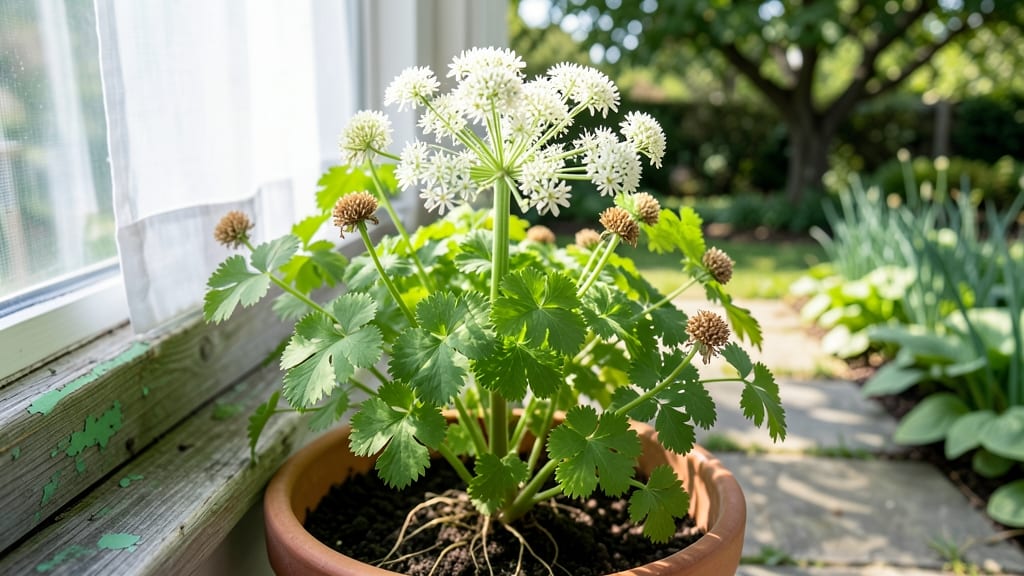
Growing coriander seeds and cilantro leaves from scratch is one of those 60-day adventures that rewards patience with fragrant harvests. 🌱 I’ve learned that the secret isn’t just in the soil—it’s in timing the planting to avoid that dreaded bolt before you even get to taste the leaves.
The first time I mastered this, I had fresh cilantro for tacos and coriander seeds for spice blends all summer long.
You’ll need well-draining soil, a sunny spot (at least 6 hours of light daily), and consistent moisture—though soggy roots are just as bad as dry ones. Start seeds indoors 4-6 weeks before your last frost, or direct-sow in cooler weather.
The key? Thin seedlings to 4-6 inches apart so they don’t compete for nutrients. In warmer climates, opt for shade cloth to prevent bolting before leaves mature.
By day 45, you’ll be harvesting tender leaves for garnishes, and by day 60, those same plants will produce aromatic seeds for curries and pickles.
The cilantro stays fresh longer if you pick leaves in the morning, and the seeds dry perfectly on the plant if you leave a few stalks to mature. It’s the same plant doing double duty—just a matter of when you harvest.
Regional tweaks matter: in tropical zones, grow cilantro in fall/winter; in cooler areas, spring and fall are ideal. The biggest mistake? Letting plants flower too soon.
If you see stems shooting up, harvest everything immediately—those seeds won’t wait. With this method, you’ll go from seed to spice cabinet in just two months.
📚 In This Guide
- What you need
- Instructions
- Tips and common mistakes
- Wrapping up and next steps
What you need
- ● Coriander seeds (coriander seed/cilantro seeds): 1–2 packets (about 100–200 seeds). Choose organic or heirloom varieties like ‘Santo’ or ‘Calypso’ for best results.
- ● Growing containers or garden bed: Containers: 6–12-inch deep pots (with drainage holes) for each plant or a shared tray for seedlings.
- ● Garden beds: Well-draining soil in a sunny spot (6+ hours of sunlight daily).
- ● Potting mix: 1–2 bags of high-quality, seed-starting mix (or garden soil amended with compost).
- ● Watering can or spray bottle: For gentle, even watering.
- ○ Gloves (optional): To keep hands clean while handling seeds.
- ● Trowel or small shovel: For transplanting seedlings.
- ○ Fertilizer (optional but helpful): Balanced liquid fertilizer (e.g., 10-10-10) or compost tea for nutrient boost.
- ● Slow-release granular fertilizer (e.g., 5-5-5) mixed into soil at planting.
- ○ Mulch (optional): Straw or shredded leaves to retain moisture and suppress weeds.
- ○ Shade cloth (optional): For seedlings if your climate gets too hot (70–80°F is ideal).
- ● Harvesting shears or sharp knife: For clean cuts when harvesting leaves or seeds.
- ● Best planting time: Spring or early fall (avoid extreme heat or frost).
- ● Temperature range: Seeds germinate best in 60–75°F soil.
- ● Days to harvest: Leaves in 30–50 days; seeds in 60–80 days.
Step-by-Step instructions for growing coriander and cilantro
Here's how to grow both the leafy cilantro and aromatic seeds from the same plant—no fancy tools needed.
🌱 Step 1: Prepare the Soil and Plant Seeds
Fill your containers with loose, well-draining potting mix—coriander hates soggy roots. I like to mix in a handful of compost for extra nutrients, but keep it light so roots can spread easily. Press the soil down gently to remove air pockets, then create small furrows about ½ inch deep and 1 inch apart using a pencil or small stick.
Drop 2-3 seeds into each furrow—coriander germinates unevenly, so extra seeds ensure you get plants. Cover lightly with soil, just enough to hide the seeds, then mist gently with water. Don't soak the soil; cilantro seeds need moisture but won't tolerate waterlogging. The goal is damp, not drenched.
☀️ Step 2: Provide Consistent Moisture and Light
Place your pots in a spot with full sun to partial shade—coriander thrives with 4-6 hours of direct sunlight daily. If growing indoors, a south-facing window works, but supplement with a grow light if leaves look pale or leggy. You'll notice seedlings emerge in 7-14 days, though some may take longer in cooler weather.
Water gently at the base of the plants every 2-3 days, keeping the soil evenly moist but not soggy. Let the top inch dry out between waterings to prevent fungal issues. Overwatering causes cilantro to bolt (go to seed) prematurely, so consistency is key. Watch for first true leaves—they'll appear after the initial seed leaves (cotyledons) drop off.
✂️ Step 3: Thin and Harvest Cilantro Leaves
Once seedlings reach 2-3 inches tall, thin them to 1 plant per container by snipping the weakest stems at the base with clean scissors. This gives your cilantro room to grow without competing for nutrients. I like to harvest leaves 2-3 weeks after thinning by cutting the outer stems just above a leaf node—this encourages bushier growth.
Harvest cilantro leaves early and often to keep the plant productive. If you let it flower, the leaves turn bitter and the plant focuses on seed production. For best flavor, pick leaves in the morning after dew dries—they're crispest then. Store harvested leaves in a damp paper towel in the fridge for up to 5 days.
🌿 Step 4: Let Some Plants Flower for Seeds
Allow 2-3 plants to flower and go to seed if you want coriander seeds. You'll see white umbel flowers appear in 4-6 weeks—this is the plant's natural transition from leaf to seed stage. Once flowers fade, small green seed pods form. Let them dry completely on the plant before harvesting.
To harvest seeds, wait until the pods turn brown and papery, then rub them between your palms over a bowl. Seeds will fall out easily. Store dried seeds in an airtight container in a cool, dark place for up to 2 years. If you don’t want seeds, snip flower stalks off at the base to redirect energy back to leaf growth.
⏰ Step 5: Extend the Harvest Season
Cilantro bolts quickly in heat, so sow new seeds every 2-3 weeks for a continuous harvest. In hot climates, try growing cilantro in partial shade or during cooler months. I've had success with shade cloth in summer—it keeps leaves tender and slows bolting. For a winter crop, start seeds indoors 6-8 weeks before the last frost and transplant outdoors when soil warms slightly.
If your cilantro bolts unexpectedly, don’t toss it! The stems are still edible (though tougher), and the seeds are valuable. You can also cut back bolted plants to encourage a second flush of leaves, though it won’t be as vigorous. With this method, you’ll enjoy fresh cilantro and homegrown coriander seeds all season long.
Tips & tricks for growing coriander and cilantro
Here's how to turn your cilantro plants into a year-round herb garden success story.
Seed Spacing Secret: The ½-inch furrow depth and 1-inch spacing in Step 1 might seem tight, but it's perfect for cilantro's shallow root system. I've found that planting seeds too deep (over ½ inch) delays germination, while spacing them too far apart wastes precious container space. Use a pencil to mark your furrows—it creates perfectly straight lines every time.
Germination Timing: Those 7-14 days for seedlings to emerge in Step 2 can feel like an eternity, but patience pays off. I've learned to mark planting dates on my calendar so I don't lose track. If you're growing indoors, place a humidity dome over your pots or cover with plastic wrap to help speed up germination—just remove it once sprouts appear to prevent mold.
Lighting Strategy: The 4-6 hours of sunlight requirement in Step 2 is non-negotiable for flavorful cilantro. If your space gets less light, supplement with a basic LED grow light for 12-14 hours daily. I keep mine about 6 inches above the plants and adjust as they grow. Watch for leaves stretching toward light—this is your cue to bring them closer or add more light.
Harvesting Hack: When harvesting in Step 3, I've discovered that cutting stems at a 45-degree angle just above a leaf node (rather than straight across) helps water run off better and prevents rot. Also, harvest the outer leaves first—this encourages bushier growth while keeping your plant looking neat. For maximum flavor, harvest leaves when they're about 2 inches long—they're most tender at this size.
Pro Tips for Coriander Seed Cilantro
- Here's how to turn your cilantro plants into a year-round herb garden success story.
- Seed Spacing Secret: The ½-inch furrow depth and 1-inch spacing in Step 1 might seem tight, but it's perfect for cila...
- Germination Timing: Those 7-14 days for seedlings to emerge in Step 2 can feel like an eternity, but patience pays of...
Frequently asked questions
about growing coriander seed and cilantro—because every gardener deserves a little clarity!Can I grow coriander and cilantro from the same seeds?
Yes! Coriander seeds and cilantro are two stages of the same plant. The seeds are harvested when mature, while the leaves (cilantro) are picked young. Start with Coriandrum sativum seeds—just harvest leaves early for cilantro or let flowers form for seeds.
Why does my cilantro bolt so quickly?
Cilantro bolts (goes to seed) fast due to heat or drought stress. To delay bolting, plant in cool weather (50–75°F), keep soil moist, and choose slow-bolting varieties like ‘Santo’ or ‘Calypso’. Partial shade in hot climates helps too!
What’s the difference between coriander seeds and ground coriander?
Coriander seeds are the dried fruits of the plant, while ground coriander is simply crushed seeds. To make your own, dry seeds fully (no moisture), then grind them in a spice grinder or mortar. Pro tip: Toast seeds lightly before grinding for deeper flavor!
Can I use cilantro leaves and seeds together in cooking?
Pair fresh cilantro leaves with toasted coriander seeds for a bright, layered flavor. Try them in salsas, curries, or marinades. For a restaurant-style touch, crush seeds slightly to release oils before adding to dishes.
How do I prevent pests like aphids or spider mites?
Keep plants healthy with consistent watering and mulch to deter pests. For mild infestations, spray with neem oil or introduce beneficial insects like ladybugs. Avoid overcrowding—thin seedlings early to improve airflow.
Can I grow coriander indoors?
Yes! Use a sunny windowsill or grow lights for 6–8 hours/day. A 5–6 inch pot works for a small plant. Keep soil moist but well-draining, and harvest leaves regularly to encourage bushier growth. Just watch for bolting if temps rise above 75°F.
Wrapping up and next steps
Growing coriander seed and cilantro from seed to harvest in just 60 days is a rewarding journey that brings fresh, fragrant flavors to your kitchen! 🌱 Whether you’re a beginner or a seasoned gardener, these versatile herbs thrive with the right care—sunlight, well-draining soil, and consistent watering.
With patience and a little know-how, you’ll enjoy a bountiful harvest of coriander seeds and cilantro leaves to elevate your dishes.
Now that you’re equipped with the know-how, why not plant your seeds today? Start small, experiment with varieties, and share your green thumb success with friends or fellow gardeners. Happy growing—your taste buds (and dinner plates) will thank you! 🌿✨