Lawn
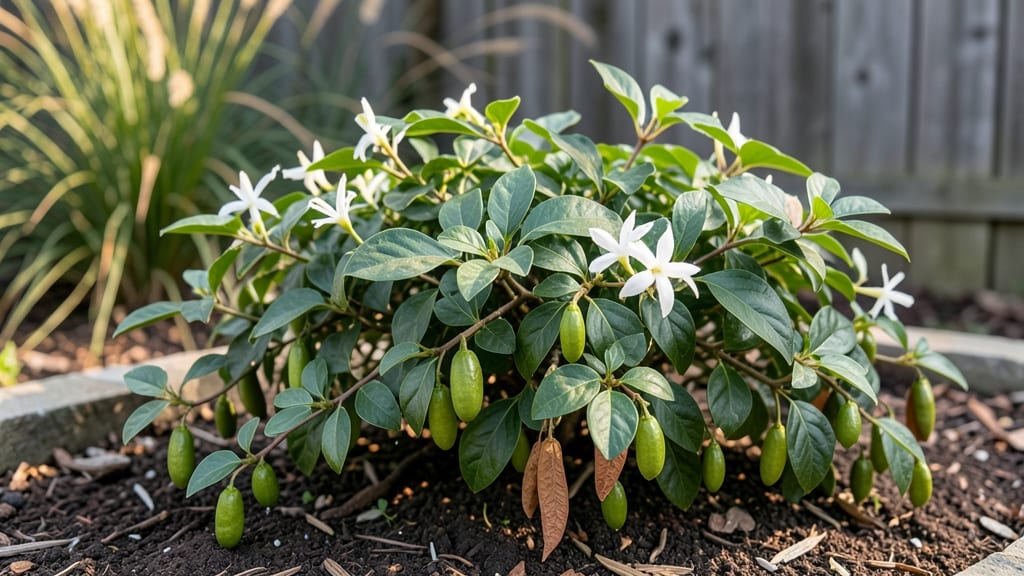
Harvesting Confederate jasmine seed pods in late fall gives you a head start on next year’s fragrant vines. 🌿 The key? Collecting pods after they’ve had a taste of cold weather—they need that dormancy break to germinate properly.
I’ve learned the hard way that skipping this step means weeks of waiting for sprouts that may never come.
Once you’ve gathered the pods, the real work begins. You’ll need a sharp knife for careful extraction, a bowl of warm water to soak them overnight, and a sunny windowsill or seed-starting tray.
The process mimics nature’s timing, tricking the seeds into thinking spring has arrived when it’s still winter outside. This cold-strengthened approach is what makes the difference between flimsy seedlings and hardy plants that thrive.
By spring, you’ll watch tiny shoots push through the soil, their leaves unfolding into the signature glossy green of Confederate jasmine. These homegrown plants develop deeper roots than store-bought cuttings, meaning they establish faster and bloom more reliably.
The first whiff of those sweet, jasmine-scented flowers in late summer makes every step worthwhile.
This method works best in zones 7-10, where the plant naturally thrives, but with proper cold treatment, you can coax germination even in cooler climates. The trade-off?
Seed-grown plants take longer to mature than cuttings, but the payoff is vines that last for decades—if you’re patient enough to wait for that first fragrant bloom.
📚 In This Guide
- What you need
- Instructions
- Tips and common mistakes
- Wrapping up and next steps
What you need
- ● Confederate jasmine seed pods: 5–10 mature, dried pods (harvested in fall or purchased from a reputable supplier). Pro tip: 💡 Ensure pods are fully dry and slightly cracked for best germination!
- ● Well-draining potting mix: 2–3 gallons of a blend designed for woody plants or succulents (e.g., 60% peat moss, 30% perlite, 10% sand).
- ● Small pots or seed trays: 4–6 individual 4-inch pots or a shallow tray with drainage holes.
- ○ Seed-starting soil: 1–2 cups of sterile, seed-starting mix (optional but recommended for faster germination).
- ● Spray bottle: For gentle watering (avoid over-saturating seeds!).
- ○ Plastic wrap or humidity dome: To create a mini greenhouse effect (optional but helpful).
- ○ Heat mat (optional): A seedling mat set to 70–75°F to encourage faster germination.
- ● Gloves: To protect hands while handling seed pods (some may irritate skin).
- ● Permanent marker: For labeling pots (Confederate jasmine + date planted!).
- ● Indoor space: A sunny windowsill or grow light setup (6–8 hours of light daily).
- ● Patience: Germination can take 4–8 weeks—stay consistent!
- ● Outdoor prep (for transplanting): Wait until after the last frost (Zone 7–10) and choose a sheltered, south-facing spot.
Instructions for growing Confederate jasmine from seed pods
Here’s how to transform those fragrant seed pods into hardy plants ready for spring blooms.
🌱 Step 1: Harvest and Extract Seeds from Mature Pods
Collect seed pods when they turn brown and begin splitting open naturally—usually in late fall or early winter. Wear gloves; the pods contain tiny, sticky seeds that cling easily. Gently squeeze the pod to release the seeds, then spread them on a paper towel to dry for 24-48 hours in a warm, dry place.
Once dry, store the seeds in a sealed container in the refrigerator for 3 months to simulate winter dormancy. This cold treatment breaks seed dormancy and ensures stronger roots when spring arrives. I like to label the container with the harvest date—it’s easy to forget when you’re waiting!
💧 Step 2: Soak Seeds to Speed Germination
After the cold period, remove the seeds from the fridge and soak them in lukewarm water for 12-24 hours. This softens the seed coat and encourages faster germination. Place the container in a warm spot—like on top of the fridge—and check occasionally to ensure the water stays at room temperature.
Don’t let the seeds sit in water longer than 24 hours, or they’ll risk rotting. After soaking, drain the water and pat the seeds dry with a paper towel. You’ll notice the seeds swell slightly—this is your signal they’re ready for planting.
☀️ Step 3: Plant in Well-Draining Soil
Fill small pots or seed trays with a light, well-draining potting mix (avoid heavy garden soil—it retains too much moisture). Plant the seeds ¼ inch deep, spacing them 1 inch apart in the container. Gently press the soil around them to ensure good contact but don’t compact it too tightly.
Water lightly from the bottom of the container to avoid displacing the seeds. Place the tray in a warm, bright spot—like a south-facing windowsill—but avoid direct sunlight until germination begins. You’ll see tiny sprouts in 2-4 weeks, depending on your indoor temperature.
🌿 Step 4: Transplant and Harden Off Seedlings
Once seedlings develop 2-3 sets of true leaves (not just the initial seed leaves), transplant them into 4-inch pots filled with the same well-draining mix. Handle the seedlings carefully—they’re delicate at this stage. Water them gently after transplanting to help settle the soil around the roots.
Start hardening off the seedlings 2 weeks before the last frost date by placing them outside in a sheltered spot for 1-2 hours the first day. Gradually increase their outdoor time over 7-10 days, until they can spend the full day outside. This slow adjustment prevents shock and helps them adapt to outdoor conditions.
⏰ Step 5: Plant Outdoors in Spring
After the last frost, choose a sunny spot with well-draining soil for your Confederate jasmine. Dig a hole slightly larger than the root ball and place the plant in, ensuring the top of the root ball sits even with the soil surface. Backfill the hole with soil and water deeply to help the roots settle.
Mulch around the base of the plant with 2-3 inches of organic mulch to retain moisture and regulate soil temperature. Water the plant once a week during the first growing season, allowing the soil to dry slightly between waterings. With patience, your Confederate jasmine will reward you with fragrant blooms in 2-3 years.
Tips & tricks for perfect Confederate jasmine growth
Here's what I've learned after growing these delicate plants—avoid these common pitfalls for stronger roots and fragrant blooms.
Timing is Everything: The 3-month cold treatment in Step 1 isn't optional—it mimics winter conditions and breaks seed dormancy. I've tried skipping it, and the seeds either didn't germinate or produced weak seedlings. Mark your calendar when you harvest pods so you remember to move them to the fridge exactly 3 months later.
Soak Smart: In Step 2, use lukewarm water (about 70°F) for soaking—not hot water, which can damage the delicate seeds. I've ruined batches by using hot water, so test the temperature on your wrist first. The seeds should swell noticeably after 12-24 hours, but if they float, they're not viable—discard them immediately.
Planting Precision: When planting in Step 3, think "light and airy" for the soil mix. I've struggled with soggy soil before, so I now add perlite to my potting mix (1 part perlite to 3 parts soil). This ensures proper drainage while keeping the seeds cozy enough to germinate. The ¼-inch depth is crucial—too deep and they won't sprout, too shallow and they'll dry out.
Harden Off Gradually: The 2-week hardening process in Step 4 is where most people rush and end up with shocked seedlings. Start with just 1-2 hours on the first day, even if your seedlings look tough. I've seen plants wilt dramatically after being moved outside too quickly. Place them in a sheltered spot where they get morning sun but afternoon shade—this gradual transition is key.
Pro Tips for Confederate Jasmine Seed Pods
- Here's what I've learned after growing these delicate plants—avoid these common pitfalls for stronger roots and fragrant blooms.
- Timing is Everything: The 3-month cold treatment in Step 1 isn't optional—it mimics winter conditions and breaks seed dormancy.
- Soak Smart: In Step 2, use lukewarm water (about 70°F) for soaking—not hot water, which can damage the delicate seeds.
Frequently asked questions
Got questions about Confederate Jasmine seed pods?
You’re not alone! Here are some of the most common queries—and their answers—to help you grow this fragrant, cold-hardy beauty with confidence.
When is the best time to plant Confederate Jasmine seed pods?
For optimal germination, plant the seed pods in early spring (after the last frost) or late summer (6–8 weeks before your first frost). This gives young roots time to establish before winter. Avoid planting in extreme heat or cold—seedlings are delicate!
How long does it take for Confederate Jasmine seed pods to germinate?
Germination can take 4–12 weeks, depending on soil temperature and moisture. Keep the soil consistently damp (not soggy) and place seed pods in a warm, sunny spot (70–80°F) to speed up the process. Patience is key—these pods are slow but steady!
Can I grow Confederate Jasmine from seed pods in cold climates?
Confederate Jasmine is cold-hardy (USDA Zones 7–10), but seed pods need a warm start. Start them indoors in winter or plant in spring. In colder zones, mulch heavily in fall to protect roots. With care, this fragrant vine will thrive even in chilly springs!
What should I do if my seed pods aren’t sprouting?
Try these fixes:
- Check moisture: Seed pods need consistent dampness—not drying out or sitting in water.
- Warmth boost: Place pots on a seedling heat mat (70°F+) to mimic spring conditions.
- Scarify seeds: Lightly nick the pod with sandpaper to break dormancy.
- Patience: Some pods take months—don’t give up too soon!
Are there alternatives to growing from seed pods?
Yes! If seed pods seem tricky, consider:
- Cuttings: Take 4–6” tips in spring/summer, root in water or soil.
- Nursery plants: Buy a young Confederate Jasmine (Trachelospermum jasminoides) for instant fragrance.
- Layering: Bend a low vine to the ground, cover with soil, and wait for roots to form.
Wrapping up and next steps
Growing Confederate jasmine seed pods is a rewarding way to bring fragrant, cold-hardy beauty to your landscape—especially if you love the sweet scent of spring returns! 🌸 With the right care, patience, and a little know-how, these resilient climbers will thrive year after year.
Now that you’re equipped with the best practices and answers to common questions, it’s time to roll up your sleeves and get planting!
Your next step? Mark your calendar for the ideal planting window (fall or early spring) and gather your supplies. Whether you’re a seasoned gardener or a beginner, every seed pod sown is a step toward a more aromatic, vibrant outdoor space. Happy gardening—your future blooms will thank you! 🌱