
Lawn
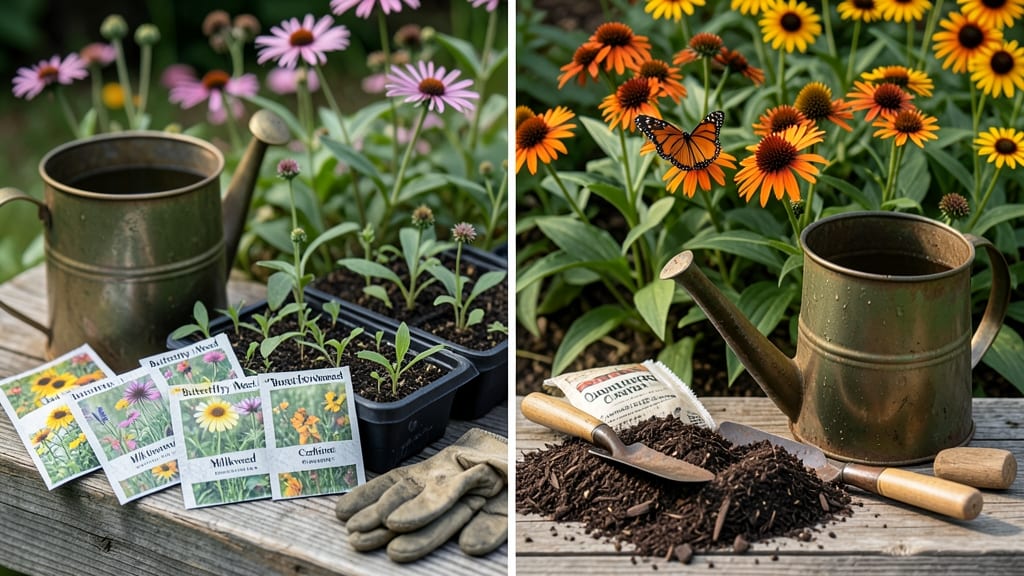
Transforming your yard into a butterfly magnet takes just 30 days and a handful of seeds. 🌿 I planted my first butterfly seed mix last spring, and within weeks, my garden became a fluttering hotspot—something I never expected from a simple packet of seeds.
The secret lies in the right mix of native wildflowers that butterflies can't resist, plus a few simple growing tricks that make all the difference.
The best mixes include milkweed for monarchs, coneflowers for swallowtails, and black-eyed Susans for painted ladies. You don’t need fancy soil—just well-draining ground and full sun. Scatter the seeds lightly over prepared soil in early spring or late summer, then press them in gently.
Water lightly every other day until sprouts appear, and soon you’ll have a garden that hums with wings.
By month three, you’ll see butterflies nectaring on vibrant blooms from morning until dusk. The key to keeping them around? Deadhead spent flowers to encourage reblooming and avoid pesticides—even natural ones can harm these delicate visitors. With minimal effort, you’ll create a pollinator paradise that lasts all season.
This works for balconies, meadows, or even container gardens—just adjust the space. Once you see your first monarch or swallowtail, you’ll wonder why you didn’t start sooner. Let’s get those seeds in the ground!
📚 In This Guide
- What you need
- Instructions
- Tips and common mistakes
- Wrapping up and next steps
What you need
- ● Butterfly-friendly seed mix: 1–2 lbs (pre-mixed or custom blend with milkweed, coneflowers, black-eyed Susans, and butterfly weed)
- ● Garden soil: 1–2 cubic yards (well-draining, amended with compost for best results)
- ● Watering can or hose: With a gentle spray nozzle for even moisture
- ○ Gloves (optional but recommended): To protect hands from thorns or rough seeds
- ● Garden trowel or rake: For loosening soil and creating furrows
- ● Measuring tape or ruler: To space seeds 6–12 inches apart (check seed packet guidelines)
- ○ Mulch (optional): Straw or shredded leaves to retain moisture and suppress weeds
- ○ Plant markers (optional): Small sticks or labels to track seed varieties
- ● A sunny spot with 6+ hours of direct sunlight daily
- ● Access to water for consistent (but not soggy) soil moisture
- ● Patience! Seeds may take 7–30 days to germinate, depending on conditions
Step-by-Step instructions for planting a butterfly seed mix
Here's how to transform your space into a buzzing haven in just a month.
🌱 Step 1: Choose and Prepare Your Planting Site
Pick a sunny spot with at least 6 hours of direct sunlight daily. Butterflies love open areas where they can spot nectar sources easily. I always avoid dense shade—those seeds won't germinate well. Clear the area of weeds first, then loosen the top 6 inches of soil with a garden fork or tiller. This creates space for roots to spread.
If your soil feels compacted or clay-heavy, mix in 2-3 inches of compost to improve drainage and nutrient content. Butterflies prefer well-draining soil, so avoid low spots where water pools. Test the area by pressing your finger into the soil—if it feels hard to push down, you'll need to work in more organic matter.
💧 Step 2: Scatter and Lightly Cover the Seeds
Spread the butterfly seed mix evenly across the prepared area, aiming for about 1/4 pound per 100 square feet. I like to use a simple hand broadcast method—just walk slowly and sprinkle as you go. Don't worry about perfect spacing; these seeds are designed to grow in clusters that attract butterflies.
After scattering, lightly rake the soil surface to cover the seeds with no more than 1/4 inch of soil. This keeps them moist while allowing sunlight to reach them for germination. Press down gently to ensure good seed-to-soil contact. Water the area thoroughly until the soil feels damp 2-3 inches deep—this ensures the seeds stay hydrated during their first critical growth phase.
☀️ Step 3: Maintain Moisture and Monitor Growth
Keep the planting area consistently moist for the first 30 days, watering daily if rainfall is light. You'll know you're doing it right when the soil surface stays slightly damp but not soggy. Overwatering can cause seeds to rot before they sprout, so always check by pressing your finger into the soil—if it feels dry at the first inch, it's time to water.
In about 10-14 days, you should see the first tiny green sprouts pushing through the soil. This is your signal that germination is working! Once seedlings reach 2-3 inches tall, you can reduce watering to every other day, allowing the soil to dry slightly between waterings. This helps strengthen the plants and prepares them for their pollinator role.
✂️ Step 4: Encourage Full Growth and Bloom
Allow the plants to grow undisturbed until they reach their full height, which typically takes about 30-45 days depending on your climate. You'll know they're ready when you see clusters of small flowers beginning to form. These blooms are the main attraction for butterflies, so resist the urge to prune or thin the plants unless they're growing too crowded.
To maximize butterfly visits, avoid using pesticides in or near the planting area. Butterflies are sensitive to chemical treatments, and their presence is what makes your garden thrive. Once the flowers start blooming, you'll likely see butterflies within 2-3 days. If you don't see them right away, try planting additional nectar-rich flowers nearby to create a more inviting habitat.
🪴 Step 5: Maintain for Continuous Pollinator Support
After the initial bloom, maintain your butterfly garden by watering during dry spells and removing spent flowers to encourage new blooms. This keeps the area attractive to butterflies throughout the growing season. I like to add a few perennial plants to the mix, as they'll return year after year and provide continuous nectar sources.
Keep an eye out for any signs of stress, such as yellowing leaves or wilting plants. These can indicate overwatering, underwatering, or nutrient deficiencies. Adjust your care routine accordingly, and your butterfly garden will continue to thrive as a vital stop for pollinators in your neighborhood.
Tips & tricks for perfect butterfly seed mix planting
These little tricks will help you create a thriving butterfly haven without the guesswork.
Sunlight Strategy: That 6 hours of direct sunlight is non-negotiable for butterfly seed mixes. If your yard has partial shade, consider planting near a south-facing wall or fence where sunlight reflects. I've seen dramatic differences in germination rates—shady spots often result in sparse, weak growth. Test your spot by observing how much sunlight it gets during the warmest part of the day, typically between 10 AM and 2 PM.
Soil Prep Secret: The 6 inches of loosened soil in Step 1 isn't just about aeration—it's about creating the perfect environment for those delicate roots. If your soil is particularly dense, I recommend adding a handful of perlite or coarse sand to help with drainage. This is especially important if you're in an area with heavy clay soil, which can suffocate young seedlings. Think of it as giving your seeds a cozy, well-ventilated nursery.
Watering Wisdom: When you're maintaining that 2-3 inches of damp soil during the first 30 days, here's a pro move: use a rain gauge or tuna can to measure your watering. Fill it with water and pour it slowly over your planting area. This ensures you're not overwatering or underwatering—both can be deadly for those sensitive seeds. Aim for about 1 inch of water per week, adjusting for rainfall. A sprinkler can work, but a gentle watering can gives you more control.
Timing Tip: Those 10-14 days until germination might seem like a long wait, but it's actually a great time to set up a simple observation system. Place a small stake or marker at the center of your planting area. As the seedlings emerge, you'll notice they tend to grow toward the light. This natural behavior helps you identify which areas are getting enough sunlight—and which might need a little more attention to become true butterfly magnets.
Pro Tips for Butterfly Seed Mix
- These little tricks will help you create a thriving butterfly haven without the guesswork.
- Sunlight Strategy: That 6 hours of direct sunlight is non-negotiable for butterfly seed mixes.
- Soil Prep Secret: The 6 inches of loosened soil in Step 1 isn't just about aeration—it's about creating the perfect environment for those delicate roots.
Frequently asked questions
How long does it take for butterfly seeds to sprout?
Most butterfly seed mixes sprout in 7–21 days after planting, depending on warmth and moisture. Keep soil consistently damp (but not soggy) and place seeds in a sunny spot. Pro tip: Use a humidity dome or plastic wrap to speed up germination if your climate is dry!
Can I plant butterfly seeds in fall for spring blooms?
Fall planting is ideal in mild climates—seeds will establish roots over winter and burst into flowers in spring. In colder zones, sow seeds 4–6 weeks before the first frost for best results. Just ensure the soil isn’t frozen when you plant.
Will butterfly seed mix attract bees instead of butterflies?
Both! Butterfly seed mixes include bee-friendly flowers like cosmos and sunflowers, which also attract butterflies. Bees help pollinate the plants, creating a thriving ecosystem. Bonus: Avoid pesticides—even "organic" ones—to keep all pollinators safe.
What if my seeds don’t grow? Troubleshooting tips?
Try these fixes if germination fails:
- Check seed viability: Test a few seeds in damp paper towels for 3–5 days. If they don’t sprout, order fresh seeds.
- Adjust sunlight: Most mixes need 6+ hours of sun daily. Move pots or thin dense foliage if needed.
- Soil issues: Ensure well-draining soil (amend with compost if heavy). Seeds rot in soggy soil!
- Patience: Some varieties (like milkweed) are slower—wait up to 30 days before giving up.
Are there native alternatives to butterfly seed mixes?
Yes! For regional benefits, choose native wildflower seeds like:
- Eastern U.S.: Purple Coneflower or Black-Eyed Susan
- Western U.S.: California Poppy or Lupine
- Southern U.S.: Butterfly Weed (milkweed) or Coreopsis
Check local nurseries or Native Wildflower Database for species tailored to your area.
Wrapping up and next steps
Transforming your lawn into a pollinator paradise with butterfly seed mix is simpler—and more rewarding—than you think! 🌸 With just a little patience and care, you can create a vibrant, buzzing ecosystem that supports butterflies, bees, and other essential wildlife.
Start by choosing the right seeds, preparing your soil, and planting with intention.
Ready to take the next step? Pick a sunny spot in your yard today, grab your seed mix, and let nature do the rest.
In just 30 days, you’ll be rewarded with a garden teeming with life—and the joy of knowing you’re making a difference, one winged visitor at a time. Happy planting! 🌿✨