
Lawn
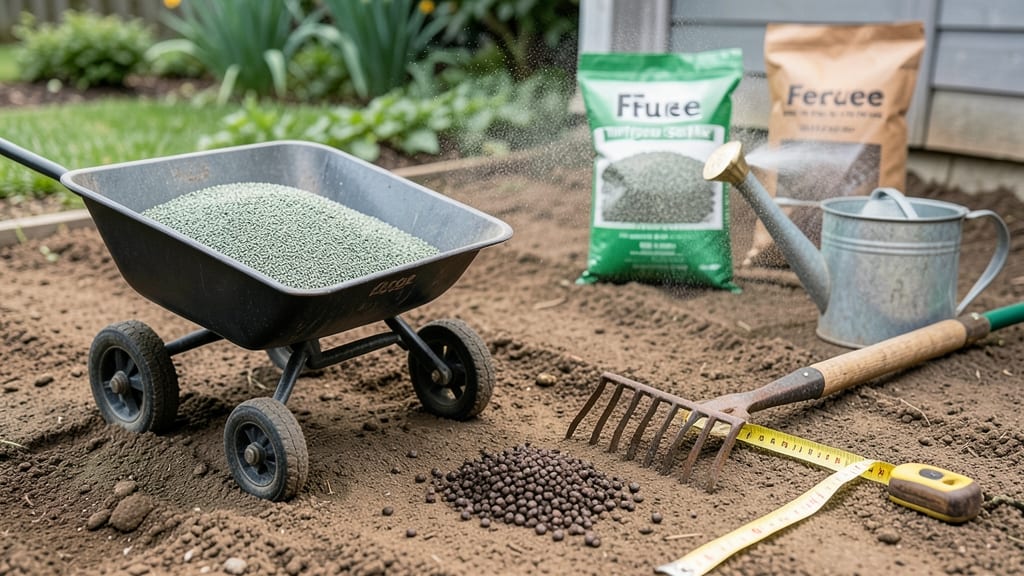
Putting grass seed down the right way means the difference between a lush lawn and a patchy disappointment. ✨ I’ve learned that loose, even spread isn’t just a suggestion—it’s the secret to strong germination.
The best way starts with preparing the soil, choosing the right tools, and avoiding common mistakes that kill seeds before they sprout.
You’ll need a few simple tools: a rake for leveling, a spreader for even distribution, and a watering can or hose with a gentle spray. The soil should be loose and free of debris, and the timing matters—cool spring or fall gives seeds the best chance.
Skipping prep is how you end up with bare spots or weeds taking over.
Spread the seed lightly, about half the recommended rate if using a broadcast spreader, then cover it with a thin layer of soil or compost. Water gently but thoroughly, keeping the soil moist (not soggy) for the first 2-3 weeks.
You’ll see sprouts in 7-14 days, but patience is key—rushing watering or walking on new grass can ruin your progress.
This method works for new lawns, patch repairs, or overseeding. The key is consistency—don’t let the soil dry out, and avoid heavy foot traffic until the grass reaches 3-4 inches tall. With these steps, you’ll have a thick, green lawn that stays healthy all season.
📚 In This Guide
- What you need
- Instructions
- Tips and common mistakes
- Wrapping up and next steps
What you need
- ● High-quality grass seed: Choose a blend suited to your climate and lawn type (e.g., cool-season for northern regions, warm-season for southern areas). Quantity: ~10–12 lbs per 500 sq ft for new lawns; ~5–8 lbs for overseeding.
- ● Lawn roller (100–150 lbs): For firming seed into the soil after spreading.
- ○ Broadcast spreader (handheld or tow-behind): Ensures an even distribution. Optional: A drop spreader for precision on small areas.
- ● Rake (bow or stiff-bristle): To loosen soil and level the seedbed.
- ● Starter fertilizer (high in phosphorus): Look for a 10-20-10 or 5-10-5 ratio. Quantity: ~1 lb per 100 sq ft.
- ○ Mulch or compost (optional but helpful): Lightly covers seed to retain moisture (e.g., straw at 1/4-inch thickness).
- ● Water source (hose with sprinkler or garden sprayer): For consistent, light watering.
- ● Prepped soil: Clear debris, loosen compacted areas, and fix pH (ideal range: 6.0–7.0).
- ● Weather window: Plant seed when temps are 60–75°F (cool-season) or 75–85°F (warm-season), with 1–2 weeks of rain forecasted.
- ● Sunlight access: Ensure the area gets 6+ hours of sun daily—shady spots may need shade-tolerant seed.
Step-by-Step instructions for perfect grass seed distribution
Here’s how to spread seed evenly for 90%+ germination—the secret to a lush, uniform lawn.
🌱 Step 1: Prepare the Soil Surface for Ideal Seed Contact
Rake the soil until it’s smooth and firm, with no clumps or depressions. I use a stiff-bristled rake to create a fine, even texture—this ensures every seed makes direct contact with the soil. Press down lightly with the back of the rake to eliminate air pockets, which can prevent seeds from rooting properly.
Check for debris or rocks larger than a dime—remove them now. Uneven surfaces create thick or thin seed patches, and buried debris can choke emerging seedlings. If your soil feels powdery, lightly water it first to help seeds stick without washing away.
💧 Step 2: Spread Seed in Two Perpendicular Directions
Start by scattering half the seed in one direction (like sowing rows), then turn the bag and spread the remaining half at a 90-degree angle. This crosshatch method prevents clumping and ensures consistent coverage. I like to work in small sections—about 5×5 feet at a time—to avoid missing spots or overlapping too much.
Hold the bag 12-18 inches above the soil and walk at a steady pace. If you’re seeding a large area, use a broadcast spreader for evenness, but for small patches, your hand works better. Lightly rake again after spreading to press seeds into the soil without burying them—just enough so they’re nestled in.
☀️ Step 3: Lightly Cover and Water for Germination
Use a thin layer of compost or fine soil (no more than ¼ inch deep) to protect seeds from drying out or washing away. Too much coverage suffocates them, while too little leaves them exposed to birds or harsh sun. I sift the soil through a fine mesh screen to avoid clumps.
Water gently but thoroughly until the soil is damp 1-2 inches deep. Use a sprinkler with fine mist settings or a gentle hose stream—forceful water can dislodge seeds. Keep the soil consistently moist (not soggy) for the first 2-3 weeks; this is critical for germination. You’ll see sprouts in 7-14 days, depending on your climate.
✂️ Step 4: Maintain Moisture and Monitor Growth
After seeds sprout, reduce watering slightly but keep the top inch of soil moist. Overwatering now can cause fungal issues, while underwatering stresses young roots. I water in the early morning to allow foliage to dry before evening, which prevents disease.
Watch for uniform green-up. If patches appear thin, lightly reseed those areas without disturbing established grass. Avoid walking on new seedlings—they’re delicate until they reach 2-3 inches tall. Once they’re 4-5 inches high, you can mow at 3 inches to encourage thick growth.
Tips & tricks for perfect grass seed distribution
These game-changing tips will help you achieve that professional-looking lawn every time—no clumps, no bare spots, just lush, even coverage!
Soil Prep Secret: Before you even think about seeds, make sure your soil is perfectly smooth—no bumps, no dips. I use a stiff-bristled rake to create a fine, almost dust-like texture. This ensures every seed touches the soil directly, which is critical for consistent germination. Pro move: Press down lightly with the rake after smoothing to eliminate air pockets that could prevent rooting.
Crosshatch Method Mastery: The two-direction spreading technique in Step 2 is non-negotiable for even coverage. Here's my trick: Walk at a steady pace, maintaining that 12-18 inch height above the soil. For small patches, I actually count my steps—about 10 steps per bagful works perfectly. This creates that uniform look without wasting seed. And that final light raking? It's not just for looks—it nestles seeds just enough to keep them in place without burying them.
Watering Wisdom: That 2-3 week moisture window is your golden opportunity. I set up a gentle sprinkler on a timer for the first 10 days, then switch to hand-watering in the morning. The key is keeping that top 2 inches consistently damp—like a wrung-out sponge. Too much water causes fungal issues, while too little means seeds dry out before sprouting. And here's a bonus tip: Use a rain gauge to measure—you're aiming for about 1 inch of water per week during this critical period.
Troubleshooting Thin Spots: If you notice uneven germination after those first 7-14 days, don't panic. Lightly reseed thin areas without disturbing the established grass. I use a small hand spreader for spot repairs—just enough seed to fill in gaps. And remember, those delicate seedlings need protection. Once they reach 2-3 inches, you can start thinking about your first mow at 3 inches high to encourage that thick, healthy growth we all want.
Pro Tips for Best Way To Put Grass Seed Down
- These game-changing tips will help you achieve that professional-looking lawn every time—no clumps, no bare spots, just lush, even coverage!
- Soil Prep Secret: Before you even think about seeds, make sure your soil is perfectly smooth—no bumps, no dips.
- Crosshatch Method Mastery: The two-direction spreading technique in Step 2 is non-negotiable for even coverage.
Frequently asked questions
about seeding your lawn—because every green thumb deserves a little extra clarity!When is the best time to plant grass seed?
The ideal window is early fall (September-October) in most regions, when soil temps are 60–75°F, moisture is steady, and weeds are less competitive. Spring (March-April) is the second-best option. Avoid summer heat or winter frost—seeds need consistent warmth and water to sprout!
How long does it take for grass seed to germinate?
Germination time varies by grass type:
- Cool-season grasses (like Kentucky bluegrass or fescue): 7–21 days
- Warm-season grasses (like Bermuda or Zoysia): 10–30 days
Do I need to water the lawn every day after seeding?
Yes! Water lightly but frequently—2–3 times daily for 5–10 minutes—to keep the top ¼ inch of soil damp. Once seedlings are 2–3 inches tall, taper to deep, infrequent watering (1 inch per week). A sprinkler with a fine mist setting works best to avoid washing seeds away.
Can I just broadcast grass seed without tilling?
Broadcast seeding works for minor repairs or thin lawns, but for bare spots or new lawns, tilling (or at least raking) loosens soil and improves seed-to-soil contact. If you skip tilling, use a slit seeder or scratch the surface with a rake to help seeds nestle in. Over-seeding thick turf? Broadcast is your friend!
What if birds or squirrels eat my grass seed?
Cover seeds with a thin layer of straw or peat moss (¼ inch) to deter wildlife. For stubborn critters, try:
- Seeding in early morning or late evening when they’re less active.
- Using bird repellent granules (like corn gluten meal).
- Temporarily fencing off the area (yes, really!).
Can I overseed an existing lawn?
Overseeding thickens thin lawns and fills bare patches. Mow your lawn short (1–1.5 inches), rake to loosen thatch, spread seed, and water gently. Choose a dwarf variety of your current grass type for best results. Fall is the perfect time—your lawn will thank you!
Wrapping up and next steps
Putting down grass seed the right way is all about preparation, patience, and precision—but the results are worth it! A loose, even spread over well-prepped soil ensures strong germination and a lush lawn.
Don’t rush the process: water consistently, protect your new seedlings, and soon you’ll enjoy a vibrant, healthy yard that’s the envy of the neighborhood.
Ready to take the next step? Grab your tools, follow your plan, and watch your lawn transform! 🌱 For extra tips, check out our FAQ section or dive into seasonal care guides to keep your grass thriving year-round.