
Lawn
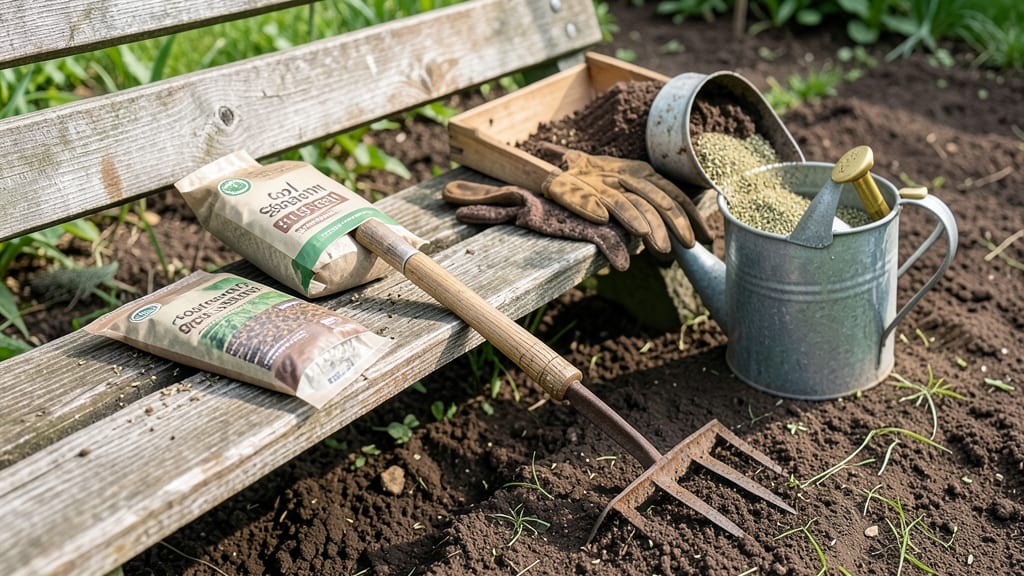
Fall is the secret weapon for growing thick, green grass—putting grass seed down in fall gives you a head start on next summer’s lawn. 🌱 The cooler air and consistent moisture create perfect conditions for seeds to sprout deep roots before winter, while weeds stay dormant.
I’ve seen lawns transform from patchy to lush just by timing this right.
Start between late August and early October, depending on your zone—cooler climates can go later, while southern areas need to plant earlier. You’ll need a rake, your chosen grass seed, a starter fertilizer, and a watering can or sprinkler.
The key is loosening the soil just enough to expose bare spots without disturbing existing grass too much.
After sowing, keep the soil moist but not soggy for the first two weeks—light watering twice daily works best. Within 10-14 days, you’ll see tiny green sprouts pushing through, and by spring, your lawn will be thicker and more resilient than ever.
The best part? Less competition from weeds and stronger roots for the heat of summer.
If you’re overseeding an existing lawn, mow short first and thin the seed slightly—this helps it reach the soil. For bare patches, use a little more seed and press it lightly into the ground.
Patience pays off: a fall-planted lawn is the easiest way to get thick, vibrant grass with minimal effort.
📚 In This Guide
- What you need
- Instructions
- Tips and common mistakes
- Wrapping up and next steps
What you need
- ● Grass seed: Choose a cool-season variety (e.g., tall fescue, Kentucky bluegrass, or perennial ryegrass) at a rate of 4–8 lbs per 1,000 sq ft, depending on your lawn’s needs. Pro tip: Mix seed types for better coverage!
- ● Lawn fertilizer: A starter fertilizer (high in phosphorus, like 5-10-10) to kickstart root growth. Apply at ½–1 lb of nitrogen per 1,000 sq ft.
- ● Soil amendment: Compost (½ inch layer) or peat moss to improve soil texture and moisture retention.
- ● Topsoil or compost: ¼-inch layer to lightly cover seeds and protect them from birds.
- ● Rake: A bow rake (for leveling soil) and a stiff-bristle garden rake (for seed distribution).
- ● Broadcast spreader: For even seed distribution—manual or drop-type works best.
- ● Water source: A hose with a gentle spray nozzle or a soaker hose for consistent moisture.
- ○ Lawn roller (optional): A lightweight roller to press seed into soil (if not using topsoil).
- ● Seed germination blanket: A biodegradable erosion control mat for slopes or high-wind areas.
- ● Soil test kit: To check pH and nutrient levels before planting.
- ● Pre-emergent herbicide: Apply 4–6 weeks before seeding to prevent weeds (if needed).
- ● Bird netting: To deter seed-eating birds from your fresh planting.
- ● Lawn mower (with high setting): For mowing new grass once it reaches 3–4 inches tall.
Step-by-step instructions for planting fall grass seed
Fall is the perfect time to grow thick, lush grass—here's how to do it right.
🌱 Step 1: Prepare Your Soil for Perfect Germination
Start by mowing your lawn as short as possible—1 inch or lower—to create an ideal seedbed. This helps sunlight reach the soil and prevents new grass from being shaded out. After mowing, remove all debris and thatch using a rake or dethatcher. You want the soil surface to be smooth and free of obstacles so seeds can make direct contact.
Test your soil's pH using a simple kit—ideal grass seed germination happens in 6.0 to 7.0 range. If your soil is too acidic or alkaline, amend it with lime (to raise pH) or sulfur (to lower pH) according to the test results. Work these amendments into the top 2-3 inches of soil and water lightly to help them settle. Let the soil dry out slightly before seeding so it's crumbly and easy to work with.
💧 Step 2: Choose the Right Seed and Plant at the Perfect Time
Select a grass seed blend suited for your climate and sun exposure—cool-season grasses like Kentucky bluegrass, tall fescue, and perennial ryegrass thrive in fall. Plant when daytime temperatures are between 60-75°F and nighttime temps drop below 60°F. This usually means seeding 4-6 weeks before your first hard frost.
Spread the seed evenly using a broadcast spreader or by hand—aim for 5-10 pounds per 1,000 square feet, depending on your grass type. Lightly rake the area to press seeds into the soil without burying them. Cover with a thin layer of ¼ inch or less of fine soil or compost to protect seeds from birds and wind while keeping them in contact with the soil.
☀️ Step 3: Water Consistently for Germination and Establishment
Water immediately after planting to moisten the soil to a depth of 4-6 inches. Keep the soil evenly moist—never soggy—by watering 2-3 times daily for the first 2 weeks. You'll know you're doing it right when the top inch of soil stays damp but not wet. Use a gentle sprinkler or soaker hose to avoid displacing seeds.
Once seedlings reach 2-3 inches tall, gradually reduce watering to 1-2 times daily, aiming for 1 inch of water per week. Avoid walking on new grass until it's 3-4 inches tall and well-established. This helps roots grow deep and strong, setting the foundation for a thick, resilient lawn.
✂️ Step 4: Maintain Your New Grass Through Winter
Once your new grass reaches 3-4 inches tall, mow it to 3 inches to encourage lateral growth and prevent disease. Avoid cutting more than ⅓ of the blade height at a time. As winter approaches, reduce fertilization and limit watering to prevent winterkill. Most cool-season grasses go dormant in winter, so resist the urge to overwater.
In early spring, remove any thatch or debris that accumulated over winter, then apply a light layer of compost to refresh the soil. This gives your grass a head start as temperatures rise. With proper fall planting and care, you'll have a thick, vibrant lawn that outshines neighbors' spring efforts.
Tips & tricks for perfect fall grass seed planting
Fall planting is your golden ticket to a lush lawn—here’s how to avoid the pitfalls that turn dreams into patchy disappointment.
Soil Prep Secret: After mowing to that 1-inch height, use a stiff-bristle broom to sweep away any remaining debris before raking. This creates a cleaner seedbed where seeds can nestle directly against the soil. I learned this the hard way after watching seeds get buried under leftover leaves—now I double-check with a flashlight in shady spots to spot hidden obstacles.
Timing is Everything: Those 60-75°F daytime temperatures are non-negotiable for germination. If your fall runs cooler, don’t rush—wait for nights to dip below 60°F to signal your grass it’s time to grow. I’ve seen seeds planted too early just sit there, waiting for the perfect conditions, while late plantings struggle with frost. Check your local frost date and work backward from there.
Watering Wisdom: The 2-3 times daily rule for the first two weeks is crucial, but timing matters just as much. Water in the early morning so seeds stay damp through the day without risking fungal growth from evening moisture. I set my sprinkler for short bursts every 4-6 hours to mimic natural rain showers—this prevents puddles while keeping the top inch consistently damp.
Winter Prep: When your grass hits 3-4 inches and you’re ready to mow down to 3 inches, resist the urge to cut it all off at once. Take it in stages over a few days to avoid shocking the new roots. I also leave the grass clippings on the lawn—they act as a natural mulch, retaining moisture and adding nutrients back to the soil.
Pro Tips for Putting Grass Seed Down In Fall
- Fall planting is your golden ticket to a lush lawn—here’s how to avoid the pitfalls that turn dreams into patchy disappointment.
- Soil Prep Secret: After mowing to that 1-inch height, use a stiff-bristle broom to sweep away any remaining debris before raking.
- Timing is Everything: Those 60-75°F daytime temperatures are non-negotiable for germination.
Frequently asked questions
Got questions about timing, prep, or troubleshooting your fall grass seed project? You’re not alone! Here are the answers to the most common concerns—so you can plant with confidence and watch that thick, green lawn grow.
When is the exact best time to put grass seed down in fall?
The ideal window is late summer to early fall, typically 4–6 weeks before your first hard frost. For most regions, this means September to early October. Check your local frost dates—seed needs 60–70°F soil temps for germination but cool nights to thrive. Missed the window? Late fall (until ground freezes) can still work with a winter mulch.
Do I need to kill existing grass before seeding, or can I just top-dress?
It depends! If your lawn has thin, patchy grass, overseeding (top-dressing) works great—just rake or verticut to loosen soil. But for bare spots or weeds, kill existing vegetation first with glyphosate (follow label instructions) or solarize the area. Pro tip: Test soil pH (aim for 6.0–7.0) before seeding for best results.
How often should I water after putting grass seed down?
Consistency is key! Water lightly 2–3 times daily (morning, noon, evening) to keep soil moist but not soggy for the first 2 weeks. After germination, taper to 1 inch per week. Use a sprinkler with fine mist to avoid washing seeds away. Morning watering prevents fungal growth—critical for fall seeding!
What if birds or squirrels eat my grass seed? How do I protect it?
Pests are sneaky but beatable! Cover seed lightly with straw or peat moss (¼ inch thick) to deter nibbling. For stubborn critters, try bird netting or repellent sprays (like hot pepper wax). Plant in small sections if your yard is a buffet—seedlings will outgrow the threat in 2–3 weeks!
Can I still seed if frost hits before germination?
Don’t panic! If frost threatens, cover seeded areas with straw (3–4 inches thick) for insulation. Seed can germinate in spring if protected. Alternatively, switch to winter ryegrass (fast-growing) or hold off until spring. Check soil temps—if they’re below 50°F, pause seeding until conditions improve.
What’s the best grass seed mix for fall planting?
Choose cool-season grasses like tall fescue, Kentucky bluegrass, or perennial ryegrass—they thrive in fall’s mild temps. For shade, mix in fine fescue. Avoid warm-season grasses (Bermuda, Zoysia) unless you’re in a southern climate. Pre-mixed blends (e.g., "fall overseeding mix") simplify choices and ensure diversity.
Wrapping up and next steps
Fall is your golden opportunity to transform a patchy lawn into a lush, vibrant carpet—and you’ve got all the tools to make it happen! 🌱 By choosing the right grass seed, prepping your soil, and timing your planting for cool weather, you’re setting the stage for a thicker, healthier lawn next spring. Don’t wait—grab your gloves, follow these steps, and watch your hard work pay off with a lawn that’s the envy of the neighborhood!
Ready to take the next step? Check your local frost dates, pick up quality seed, and start prepping your soil this week. Your future lawn will thank you!