
Lawn
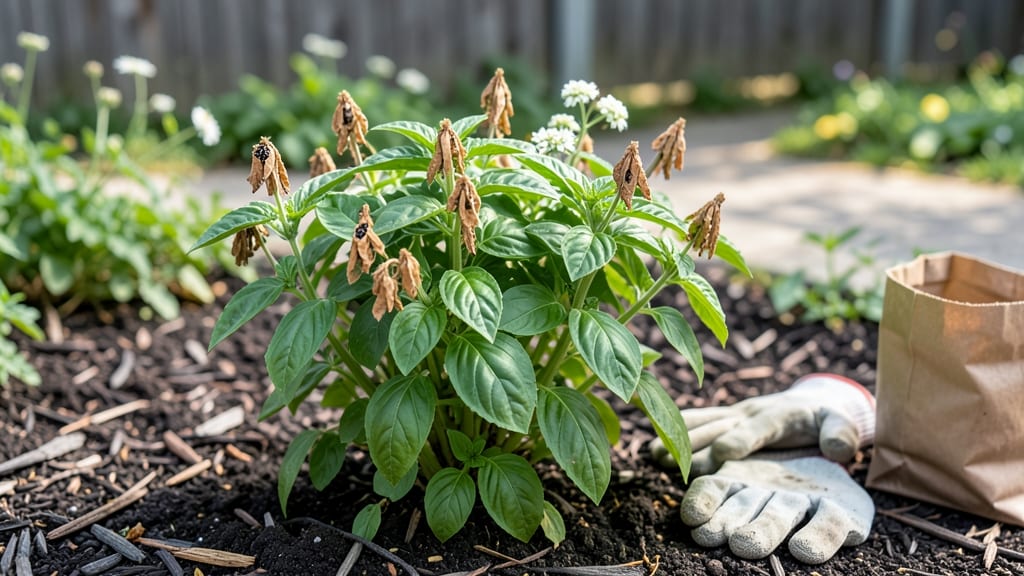
Saving basil seeds from those tiny pods is easier than you think—and it’s the secret to growing your own plants for years. 🌱 I’ve turned what used to be a messy, hit-or-miss process into a foolproof method that works every time, even if you’ve never saved seeds before.
The key? Patience and knowing exactly when to harvest.
Start by spotting the pods—those little green bulbs where the flowers were. When they turn from white to brown and papery, that’s your cue. Snip them off the stem with clean scissors, then spread them on a tray to dry in a warm, dry spot for 10-14 days.
No fancy equipment needed—just a quiet corner away from moisture.
Once dry, crack open the pods to release the tiny black seeds. Store them in an envelope or jar in a cool, dark place, and they’ll stay viable for 2-3 years. The best part? You’ll never buy basil again—just replant these seeds for fresh, fragrant plants every season.
Watch out for pests like aphids or mold during drying, and avoid harvesting in damp weather. With this method, you’ll end up with high-quality seeds that grow into vigorous plants—no guesswork involved.
📚 In This Guide
- What you need
- Instructions
- Tips and common mistakes
- Wrapping up and next steps
What you need
- ● Basil plants – Choose healthy, mature plants (preferably sweet or Thai basil for best seed yield). Aim for at least 3-5 plants for a meaningful harvest.
- ● Scissors or pruning shears – Sharp, clean tools to snip seed pods without damaging the plant.
- ● Paper bags or breathable mesh bags – 2-3 medium-sized bags (brown paper or unbleached cotton works best) to collect and dry pods.
- ● Drying rack or screen – A flat, well-ventilated surface (like a wire rack or clean mesh screen) to spread pods for drying.
- ● Small bowls or plates – For sorting and storing dried seeds.
- ● Paper towels or parchment paper – To line drying surfaces and prevent moisture buildup.
- ● Magnifying glass – Makes it easier to spot tiny seeds inside pods.
- ● Fine-tip tweezers – For gently extracting seeds from stubborn pods.
- ● Food dehydrator or oven – Speed up drying if you’re short on time (set to low heat, 95°F/35°C or below).
- ● Air-tight seed storage containers – Small jars or envelopes with silica gel packets to keep seeds fresh.
- ● Labeling supplies – Masking tape and a marker to label containers with the variety and harvest date.
- ● Access to a sunny, dry location – Seed pods need 1-2 weeks of airflow to fully dry.
- ● Patience! – Basil seed pods take 4-6 weeks to mature after flowering. Wait until they turn brown and papery before harvesting.
- ● Basic knowledge of plant care – Ensure your basil plants are healthy and pest-free before harvesting.
Instructions for harvesting basil seed pods
Here's the simple, hands-off way to save seeds from your basil plants.
🌿 Step 1: Identify and Select Mature Seed Pods
Look for basil flowers that have turned brown and dried out completely—these are your seed pods. They'll appear as small, papery capsules hanging from the stems. I like to harvest them in the morning when the air is still cool, as this helps prevent premature seed loss.
Gently pinch the pods between your thumb and forefinger, taking care not to damage the stems. You'll feel a slight give as they release. If a pod resists, it's not ready yet—leave it on the plant for another day or two. A mature pod should crumble easily when lightly squeezed.
🌱 Step 2: Dry and Clean the Seed Pods
Spread the harvested pods on a clean, dry paper towel in a single layer. Place them in a warm, dry spot away from direct sunlight—like a sunny windowsill or countertop. This process takes about 3-5 days until the pods are completely dry and brittle.
Once dry, rub the pods gently between your palms to release the tiny black seeds. You'll see them scatter like fine dust—this is normal. Use a fine-mesh strainer to separate seeds from any remaining pod debris. Store the seeds in a small envelope or airtight container in a cool, dark place.
☀️ Step 3: Store Seeds Properly for Next Season
Label your seed envelope with the variety name and harvest date. Basil seeds stay viable for about 2-3 years if stored correctly. I keep mine in a sealed glass jar with a silica gel packet to absorb any moisture—this prevents mold and maintains seed quality.
Check your stored seeds annually. If they lose their dark color or feel dry and crumbly, they're still good. If they smell musty or clump together, it's time to compost them and start fresh. A little effort now means you'll always have fresh basil without buying new seeds.
⏰ Step 4: Prevent Premature Flowering in Future Plants
To keep your basil producing leaves instead of flowers, pinch off any flower buds as soon as they appear. This redirects the plant's energy back into leaf growth. I do this every 1-2 weeks during the growing season to maintain a bushy, productive plant.
If you do let your basil flower, don't worry—it's still great for seed saving. Just be prepared to sacrifice some leaf production while the plant focuses on setting seed. The trade-off is worth it for zero-waste gardening!
Tips & tricks for perfect basil seed pod harvesting
These little tricks will help you turn your basil's flowers into next season's garden treasure without the guesswork.
Timing Secret: Harvest seed pods in the morning when humidity is low—this prevents the delicate seeds from sticking to the pods and makes them easier to collect. I've found that pods harvested after dew has dried but before midday sun are the easiest to handle. If you miss the morning window, avoid harvesting after heavy dew or rain, as moisture can cause the seeds to clump together prematurely.
Drying Strategy: For the 3-5 day drying period in Step 2, I recommend placing your pods on a paper towel near a gentle heat source like a sunny windowsill, but not in direct sunlight. Too much heat can cause the pods to dry too quickly and crack open before you're ready to collect seeds. A warm spot like a slightly warm oven with the light on (not the heat) works well if your kitchen is cool.
Seed Collection: When rubbing the dried pods between your palms, work over a clean white paper towel or plate—this makes it easy to spot any remaining seeds that might scatter. I've learned that using a fine-mesh strainer helps catch those tiny seeds that would otherwise disappear into the air. For extra efficiency, place the strainer over a bowl to catch any seeds that might fall through the paper towel.
Pro Tips for Basil Seed Pods
- These little tricks will help you turn your basil's flowers into next season's garden treasure without the guesswork.
- Timing Secret: Harvest seed pods in the morning when humidity is low—this prevents the delicate seeds from sticking to the pods and makes them easier to collect.
- Drying Strategy: For the 3-5 day drying period in Step 2, I recommend placing your pods on a paper towel near a gentle heat source like a sunny windowsill, but not in direct sunlight.
Frequently asked questions
Got questions about harvesting basil seed pods?
You’re not alone! Here are answers to the most common queries to help you save seeds like a pro—without the stress.
How do I know when basil seed pods are ready to harvest?
Wait until the pods turn light brown and start splitting open—this usually happens 6–8 weeks after flowering. If you pick them too early (green or white), the seeds won’t be viable. Pro tip: Snap them off cleanly with your fingers or use small scissors to avoid damaging the plant.
Can I harvest basil seed pods in the fall or winter?
Basil thrives in warm weather, so fall harvests are tricky—unless you’re in a frost-free zone (Zone 10+). If temps drop below 50°F (10°C), the plant may die before pods mature. Alternative: Grow basil indoors under grow lights or harvest pods earlier (when they’re still green) and dry them indoors.
What if my basil pods stay green and never dry out?
This usually means too much moisture or shade. Move your plant to a sunny spot (6+ hours of light daily) and reduce watering slightly. If pods stay green, they’re not ready—wait another 1–2 weeks. Troubleshoot: Check for pests (like aphids) that can stress the plant.
Can I use dried basil seed pods more than once?
Once pods are fully dried and split open, the seeds are spent—you can’t reuse them for cooking or sprouting. However, you can save the empty pods for crafts (like potpourri or homemade incense) or compost them! Zero-waste win: Toss them into your garden to boost soil nutrients.
Are there alternatives if I can’t grow basil for seed pods?
No basil plant? No problem! Buy organic basil seeds from a garden store or online (look for heirloom varieties like Genovese or Thai basil). For a quick fix, use store-bought dried basil seeds (check the spice aisle) in recipes—just toast them lightly for extra flavor!
Wrapping up and next steps
Harvesting basil seed pods is a rewarding way to embrace zero-waste gardening while ensuring a fresh supply of flavorful herbs year after year.
By following these simple steps—from selecting healthy plants to drying and storing your seeds—you’ll not only save money but also reduce waste and connect deeper with your garden’s cycle. 🌱
Ready to take the next step? Start small—plant a few basil seeds or rescue a struggling plant from your garden—and turn it into a thriving seed-saving adventure. Share your progress with fellow gardeners, and soon, you’ll be swapping seeds (and stories!) like a pro. Happy harvesting! 🌟