
Propagation
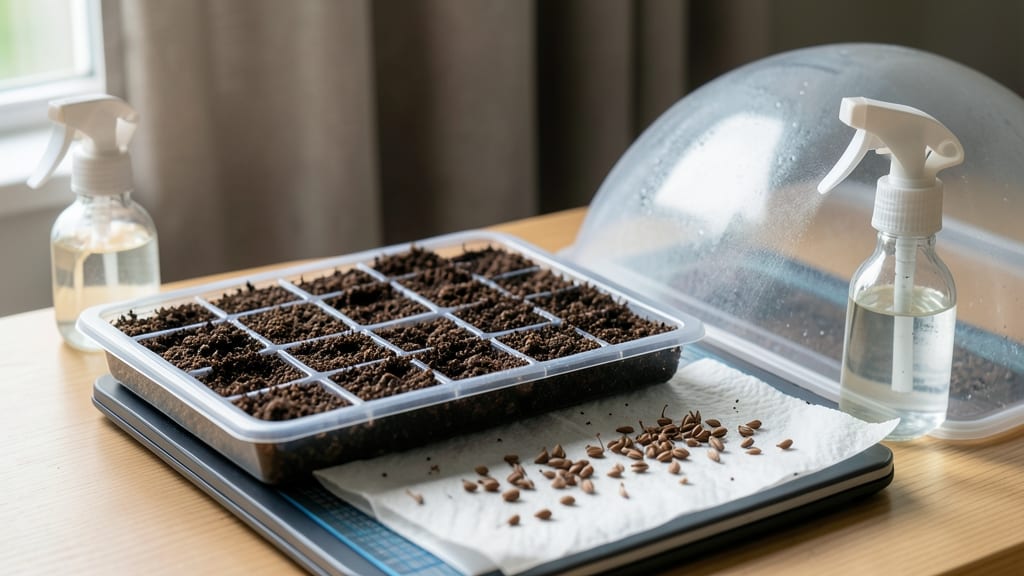
Germinating bald cypress seeds with the soak-and-chill method cuts weeks off the waiting game. 🌱 I’ve struggled with slow germination before—until I discovered this technique that produces sprouts in just 10-14 days instead of months. The key lies in mimicking nature’s cues: warm soaking followed by a cold dormancy period.
You’ll need bald cypress cones, a bowl of water, a plastic bag, and patience. Collect ripe cones in fall (they turn brown and open slightly), extract the seeds, and soak them in warm water for 24 hours to soften the hard outer shell.
Then, refrigerate them in a damp paper towel for 2-3 weeks to break dormancy. Once planted in moist, well-draining soil (sandy loam works best) and kept at 70-75°F, you’ll see tiny roots emerge within days.
The real magic happens when they’re transplanted outdoors after the last frost—bald cypress thrives in wet soil, making it perfect for swamps or rain gardens. Beginners often overwater or rush the process, but this method is foolproof if you follow the timing.
Even in dry climates, the soak-and-chill trick ensures strong, disease-resistant seedlings ready for their forever home.
📚 In This Guide
- What you need
- Instructions
- Tips and common mistakes
- Wrapping up and next steps
What you need
- ● Bald cypress seeds: 10–20 fresh, viable seeds (harvested in fall or purchased from a reputable supplier).
- ● Large bowl or container: A wide, shallow dish (e.g., ceramic, glass, or food-grade plastic) with a capacity of at least 1 gallon.
- ● Water: 4–6 cups of room-temperature, dechlorinated water (use rainwater or let tap water sit out for 24 hours to remove chlorine).
- ● Fine-mesh strainer or cheesecloth: To drain seeds gently after soaking.
- ● Plastic bag or airtight container: A resealable bag (e.g., Ziploc) or a lidded container for the chilling step.
- ○ Paper towels or germination mat: 2–3 sheets of dampened paper towels or a pre-moistened germination mat (optional but helpful for stratification).
- ● Small pots or seed trays: 2–4 biodegradable pots (3–4 inches deep) or a seed tray with drainage holes for transplanting.
- ● Potting mix: A well-draining, peat-based mix (e.g., 50% peat moss, 30% perlite, 20% sand) or a pre-mixed seed-starting blend.
- ● Spray bottle: For misting seeds and maintaining moisture.
- ○ Thermometer (optional): To monitor water/chill temperatures (ideal range: 35–45°F / 2–7°C for stratification).
- ○ Funnel (optional): For easy seed transfer to pots.
- ○ Heat mat (optional): To maintain warmth (70–75°F / 21–24°C) during germination if your space is cool.
- ○ Grow lights (optional): For seedlings if natural light is insufficient (12–16 hours/day).
- ○ Labeling tags (optional): To track seed batches and planting dates.
Step-by-Step instructions for bald cypress seed germination
Here’s how to break the dormancy barrier and get those stubborn seeds sprouting in record time.
🌱 Step 1: Collect and Prepare the Seeds
Gather fresh bald cypress seeds—green cones yield the best germination rates. Let them dry indoors for 2-3 weeks if freshly harvested, then extract the seeds by cracking open the cones. Store them in a paper bag until ready to start; plastic traps moisture and encourages mold.
I like to spread the seeds on a clean towel to inspect for damage or insect damage—discard any that look shriveled or hollow. Healthy seeds feel firm and plump, with a smooth, papery coating. Label them with the collection date if you’re working with multiple batches.
💧 Step 2: Soak the Seeds to Break Dormancy
Fill a bowl with lukewarm water (around 85°F) and add the seeds. Let them soak for 24-48 hours, stirring occasionally to prevent mold. You’ll see the papery coating soften and some seeds may even begin to swell slightly—this is a good sign.
Don’t skip this step. Bald cypress seeds have a hard outer shell that blocks water absorption, and soaking mimics natural spring rains that trigger germination. If you’re impatient, you can gently rub the seeds between two layers of sandpaper to scratch the coating, but soaking alone often works.
❄️ Step 3: Chill the Seeds to Simulate Winter
After soaking, drain the seeds and place them in a sealed plastic bag with a damp paper towel. Store them in your refrigerator’s crisp drawer (around 35-40°F) for 4-6 weeks. This cold stratification mimics the natural winter period seeds need to break dormancy.
Check the seeds weekly—if the towel dries out, mist it lightly with water. You’ll know the process is working when the seeds start to plump up further. Avoid freezing temperatures; this is a gentle chill, not an ice bath.
☀️ Step 4: Plant in Moist, Warm Soil
Fill a seed tray with well-draining potting mix and moisten it until damp but not soggy. Plant the seeds ¼ inch deep, spacing them 1 inch apart. Press the soil lightly around them to ensure good contact—this prevents air pockets that can delay germination.
Cover the tray with plastic wrap or a humidity dome to retain moisture and warmth. Place it in a warm spot (around 75°F) like on top of a refrigerator or under a heat mat. Germination should begin in 2-4 weeks, but some seeds may take longer—patience is key.
🌿 Step 5: Transplant Seedlings to Individual Pots
Once seedlings reach 2-3 inches tall and develop their first true leaves, it’s time to transplant. Gently remove them from the tray, being careful not to damage the delicate roots. Plant them in 4-inch pots filled with the same potting mix, burying them to the same depth they were in the tray.
Keep the soil consistently moist but not waterlogged. Place the pots in bright, indirect light for the first week to help them adjust. After two weeks, you can gradually introduce them to full sun to harden them off for outdoor planting.
Tips & tricks for bald cypress seed germination
A few key moves can turn stubborn seeds into thriving saplings faster than you'd expect. Here's what I've learned after years of working with these finicky seeds.
Seed Selection: Pay close attention to Step 1 when selecting your seeds. The freshest green cones yield the highest germination rates, but if you're working with dried cones, the 2-3 week drying period is critical. I've found that seeds from cones that opened naturally in the wild often germinate more reliably than those forced open artificially. Look for cones that are still firm but beginning to open—these typically contain the most viable seeds.
Soaking Strategy: During the 24-48 hour soaking period in Step 2, don't be tempted to rush the process. The lukewarm 85°F water temperature is ideal because it mimics spring rainfall without shocking the seeds. I've seen seeds that were soaked in cooler water fail to germinate while those in properly heated water sprouted within days. Change the water after 24 hours to prevent bacterial growth, even if the seeds aren't fully softened yet.
Chill Chamber Tips: For Step 3's 4-6 week cold stratification, your refrigerator's crisp drawer is perfect—but only if it stays consistently between 35-40°F. I've had batches fail when placed in freezer sections or doors where temperatures fluctuate. Place a small thermometer in the drawer with your seeds to monitor the temperature. If you notice condensation forming inside the bag, that's a good sign the seeds are actively preparing for germination.
Planting Precision: When it comes to Step 4's planting depth and spacing, precision matters. The ¼ inch depth ensures seeds get enough light to sprout without being buried too deep, while the 1 inch spacing prevents overcrowding that can lead to weak seedlings. I've found that using a small spoon to create planting holes helps maintain consistent depth across all seeds. After planting, give the tray a gentle tap on the counter to settle the soil and eliminate air pockets.
Pro Tips for Bald Cypress Seed Germination
- A few key moves can turn stubborn seeds into thriving saplings faster than you'd expect.
- Seed Selection: Pay close attention to Step 1 when selecting your seeds.
- Soaking Strategy: During the 24-48 hour soaking period in Step 2, don't be tempted to rush the process.
Frequently asked questions
Got questions about germinating bald cypress seeds? You’re not alone! Here are some of the most common queries—and their answers—to help you succeed with your soak-and-chill method.
How long should I soak bald cypress seeds before chilling?
Soak your seeds for 24–48 hours in water to soften the hard outer shell. This step mimics natural conditions and primes them for germination. After soaking, they’re ready for the chilling phase—no need to extend the soak beyond 48 hours, or you risk fungal growth.
Why aren’t my bald cypress seeds sprouting after chilling?
Patience is key! Bald cypress seeds can take 2–6 weeks to germinate, even with the soak-and-chill method. If they’re still dormant, check for consistent moisture (not soggy) and warmth (70–75°F). If mold appears, rinse seeds and replant in fresh, sterile medium.
Do I need a heat mat for germination?
Not necessarily! While a heat mat (70–75°F) speeds up germination, bald cypress seeds can sprout in room-temperature conditions (65–70°F) if kept moist. Just place your container in a bright, indirect-light spot (like a sunny windowsill) and monitor humidity.
Can I plant bald cypress seeds directly outdoors instead of indoors?
Direct sowing is possible in warm climates (Zones 7–11) during spring or fall, but germination rates drop in cold soil. For best results, start seeds indoors 6–8 weeks before the last frost, then transplant seedlings outdoors after hardening off. Outdoor sowing works best in well-drained, sandy soil.
What if my seeds won’t germinate at all?
Try these troubleshooting steps:
- Freshness check: Bald cypress seeds lose viability after 1–2 years. Test with a float test—sinkers are viable; floaters are likely dead.
- Scarification: If soaking fails, gently nick the seed coat with sandpaper to break dormancy.
- Stratification: Extend chilling to 6–8 weeks if your climate is cooler.
Wrapping up and next steps
Germinating bald cypress seeds with the soak-and-chill method is a rewarding way to kickstart your propagation journey—especially when patience meets persistence! 🌱 With the right prep, warm soaking, and a little cold stratification, you’ll soon witness those first tender sprouts breaking through. Don’t let setbacks discourage you; even experienced growers face hiccups, but each seed holds potential.
Now that you’re armed with the know-how, take the next step: grab those prepped seeds and give them their best shot in a cozy, moist environment.
Keep an eye on them, and before you know it, you’ll be nurturing a thriving young cypress tree—one that could grow into a stunning landscape feature or even a future forest giant. Happy growing! 🌿