Lawn
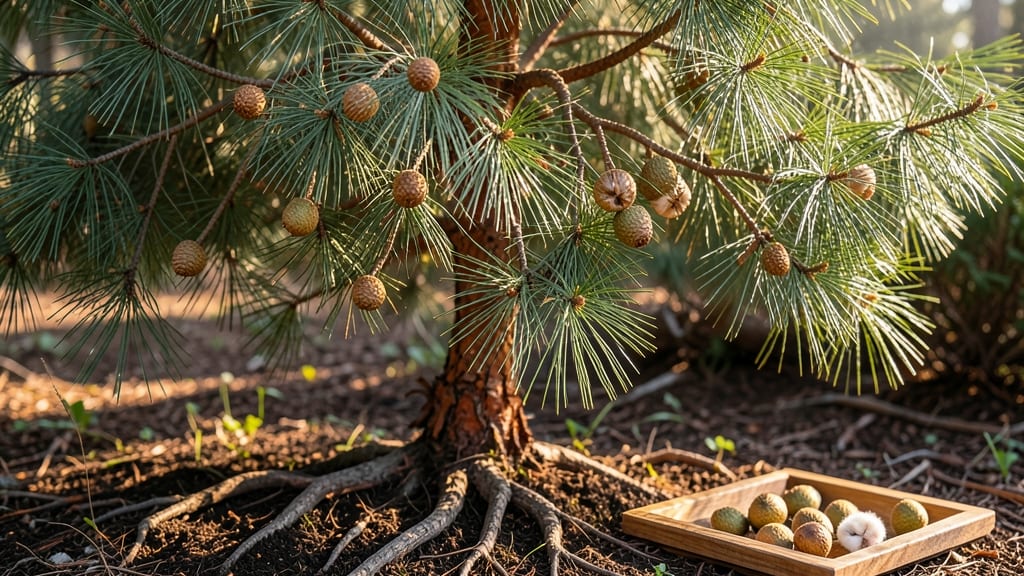
Harvesting bald cypress seed pods turns autumn cleanup into a zero-waste gardening opportunity. 🌿 These unique, woody cones—often overlooked—hold the key to growing your own trees for free, with just a little patience and the right timing.
The pods appear in late fall, turning from green to a distinctive rusty brown as they dry. They’re larger than pine cones, with a rough, papery texture that makes them easy to spot among the needles.
Collect them when they begin to open naturally, usually between October and December, before they release seeds to the wind. Planting these seeds is simpler than you’d think. A shallow trench in well-draining soil, a light covering of sand, and consistent moisture are all you need.
Seedlings emerge in spring, and with proper care, they’ll grow into striking, drought-tolerant trees that thrive in wet or dry conditions. This method works for any climate where bald cypress grows naturally—no special equipment needed. Let’s turn those fallen pods into your next generation of trees!
📚 In This Guide
- What you need
- Instructions
- Tips and common mistakes
- Wrapping up and next steps
What you need
- ● Mature bald cypress trees (Taxodium distichum) – Look for healthy, non-inbred trees with abundant seed pods (typically found in swamps or wetland areas).
- ○ Pruning shears or loppers – Bypass pruners (8–12" blades) for clean cuts. Optional: A pole pruner (12–16 ft) for high branches.
- ● Heavy-duty gloves – Garden-grade (waterproof, cut-resistant) to protect against thorns and moisture.
- ● Large plastic tubs or buckets – 5–10 gallon capacity (2–3 tubs) for collecting fallen pods.
- ● Newspaper or cardboard – Unbleached, seed-free for drying seed pods (2–3 sheets).
- ● Fine-mesh screen or window screen – 1/4" or 1/8" mesh (1–2 ft²) for separating seeds from chaff.
- ● Paper bags or envelopes – Kraft paper or seed-saving envelopes (50–100 count) for storage.
- ● Small hand fan or hairdryer (low heat) – For gentle drying of stubbornly moist seeds.
- ● Permanent markers – For labeling pods/seeds with date, tree location, and variety (if applicable).
- ● Ladder or step stool – For reaching higher branches safely.
- ● Digital scale – To weigh seeds for viability testing (0.1 oz precision).
- ● Desiccant packs – For long-term seed storage (silica gel or uncooked rice in airtight containers).
- ● Camera or notebook – To document tree health, pod appearance, and harvest notes.
- ● Seed stratification kit – If testing cold-moist stratification for germination (e.g., peat moss + water in a sealed container).
How to harvest bald cypress seed pods without the mess
Here's the method I use every fall—clean, efficient, and zero-waste.
🌿 Step 1: Time Your Harvest for Peak Ripeness
Wait until the seed pods turn a deep, rich brown and begin splitting open naturally. This usually happens in late fall after the first hard frost, when the pods look like dried, papery husks. I test readiness by gently squeezing a pod—if it crumbles easily, it's ready. Harvesting too early means unripe seeds that won't sprout, while waiting too long risks losing seeds to wildlife or wind.
Work on a dry, sunny day when humidity is low. The pods will be brittle and easier to handle, reducing the chance of tearing. Avoid harvesting after rain, as damp pods stick to branches and make collection messy. I like to harvest in the morning when the air is cool—it helps the pods stay intact longer.
✂️ Step 2: Collect Pods Gently to Preserve Seeds
Use clean, sharp pruning shears to snip entire clusters of pods from the tree. Avoid tugging or pulling—they’ll crumble and lose seeds. I cut about 6 inches of branch with pods still attached, then lay the branches on a tarp or large cardboard box to dry indoors. This keeps seeds contained while preventing loss.
Wear gloves to protect your hands from the sharp edges of dried pods. If you're working with a tall tree, use a pole pruner to avoid climbing. Once you have your branches, I find it easiest to strip the pods directly into a large bucket lined with a pillowcase—this catches every seed and prevents them from scattering.
🪴 Step 3: Dry and Clean the Seed Pods
Spread the pods in a single layer on a screen or mesh tray in a well-ventilated, dry area. I use a seed-starting mat set to 70°F to speed up drying without heat damage. The process takes 7-10 days, depending on humidity. You'll know they're dry when the pods shatter easily when rubbed between your fingers.
Once fully dry, place the pods in a paper bag and shake vigorously to release the seeds. I tap the bag against a hard surface to help break up any stubborn pods. After shaking, sift the mixture through a fine-mesh screen to separate seeds from chaff. Store the clean seeds in an airtight container in a cool, dark place—they’ll stay viable for 2-3 years this way.
🌱 Step 4: Store Seeds for Future Planting
Label your storage container with the harvest date and tree variety if applicable. Bald cypress seeds are sensitive to moisture, so avoid plastic bags—opt for glass jars or sealed paper envelopes with a silica gel packet to absorb any lingering dampness. I also include a small piece of the original pod in the container as a visual reminder of the harvest.
For best results, plant the seeds outdoors in a moist, well-draining area in early spring. Scatter them on the soil surface—they need light to germinate, so don’t bury them. Keep the area consistently moist until germination, which typically takes 2-4 weeks. If you're not ready to plant, store the seeds in the fridge for extended viability.
Tips & tricks for perfect bald cypress seed collection
These little details make all the difference between a messy harvest and a zero-waste success.
Timing Secret: Watch for that first hard frost to signal peak ripeness—pods will turn deep brown and begin splitting naturally. I've learned the hard way that harvesting too early means seeds that won't sprout, while waiting too long risks losing them to wildlife. The crumble test is foolproof: gently squeeze a pod between your fingers—if it falls apart easily, that's your cue to harvest. Morning is ideal because cool temperatures help preserve the pods' integrity during collection.
Equipment Upgrade: A pole pruner becomes your best friend when dealing with tall trees. I've used regular pruning shears, but they're awkward at height and risk dropping branches. For the branches you do cut, lay them on a tarp or cardboard box immediately—this containment system prevents seeds from scattering while they dry. The pillowcase-lined bucket trick? Absolute game-changer for catching every last seed during stripping.
Drying Wisdom: That 70°F seed-starting mat isn't just for speed—it creates consistent conditions without risking heat damage. I've tried drying pods in direct sunlight, but they can overheat and lose viability. Spread them in a single layer for proper airflow, and check daily by rubbing between fingers. When they shatter easily, you're ready for the next step. Pro tip: Place a fan nearby to maintain gentle airflow without disturbing the pods.
Storage Strategy: Glass jars with silica gel packets are your seeds' best friends for long-term viability. I've seen seeds stored in plastic bags develop mold within weeks. Label everything with harvest dates—after 2-3 years, germination rates drop significantly. For planting, remember: bald cypress seeds need light to germinate, so don't bury them. Scatter them on moist soil and keep the area consistently damp until those first sprouts appear in 2-4 weeks.
Pro Tips for Bald Cypress Seed Pods
- These little details make all the difference between a messy harvest and a zero-waste success.
- Timing Secret: Watch for that first hard frost to signal peak ripeness—pods will turn deep brown and begin splitting naturally.
- Equipment Upgrade: A pole pruner becomes your best friend when dealing with tall trees.
Frequently asked questions
Got questions about harvesting bald cypress seed pods?
You’re not alone! Here are answers to the most common queries to help you navigate the process like a pro.
When is the best time to harvest bald cypress seed pods?
Harvest seed pods when they turn brown and start splitting open—usually in late fall or winter (October–February). Wait until they’re dry but still intact to ensure viability. Avoid harvesting if rain is forecasted, as moisture can reduce seed quality.
How do I know if the seed pods are ready for collection?
Ready pods are crispy to the touch and release seeds with gentle pressure. If they’re still green or sticky, they’re not mature enough. Shake a pod over paper—if seeds fall out easily, it’s harvest time! Overripe pods may scatter seeds prematurely, so act fast.
Can I save seeds from store-bought bald cypress trees?
No—store-bought trees are often grafted or hybridized, meaning their seed pods won’t produce true-to-type offspring. For reliable seeds, collect from wild or heirloom trees in your area. Check local regulations, as some regions protect native species.
What should I do if my seed pods attract pests like squirrels or insects?
Pests are drawn to ripe seeds, but you can minimize damage by harvesting pods early in the morning when critters are less active. Store collected pods in a mesh bag or paper sack in a dry, shaded spot until processing. Avoid plastic—it traps moisture and encourages mold.
Are there alternatives if my bald cypress trees aren’t producing seed pods?
If your tree isn’t fruiting, it may be too young (<10 years), stressed, or male (only females produce seed pods). Try cross-pollinating with a nearby tree or check for pests/disease. For guaranteed seeds, source them from a reputable nursery or seed swap.
Still stumped? Drop your question in the comments—we’re happy to help!
Wrapping up and next steps
Harvesting bald cypress seed pods is a rewarding way to embrace zero-waste gardening while supporting native ecosystems.
With just a few simple tools and a little patience, you can collect seeds effortlessly and nurture new trees for years to come. Why not take the next step? Share your harvest with fellow gardeners or plant a few pods in your own yard—every seed makes a difference! 🌱