
Lawn
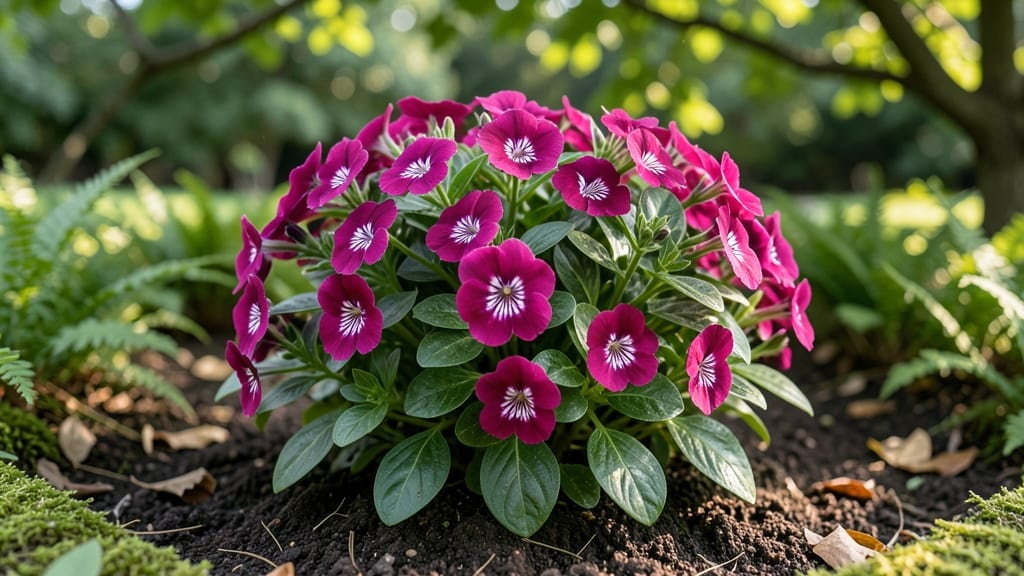
Growing American Seed Impatiens from scratch gives you plants that outshine store-bought varieties—bold, vibrant blooms that last from summer through frost. 🌸 I’ve learned the secret to keeping them thriving: it’s not just about planting, but how you prep the soil and protect those delicate stems from the start.
These shade-loving beauties thrive in partial to full shade, making them perfect for under trees, along north-facing walls, or in containers where sunlight is limited. The key? Well-draining soil mixed with compost—no soggy roots allowed—and consistent moisture without waterlogging.
Once established, they’ll reward you with nonstop blooms in shades of pink, red, and white. What sets these apart is their twist-free harvesting technique for saving seeds. Let the seed pods dry on the plant, then gently twist them to collect seeds for next year’s garden.
It’s a simple trick that turns a one-time purchase into a perennial favorite. Whether you’re filling window boxes, hanging baskets, or shady garden corners, these impatiens bring effortless color to spots where other plants struggle. Let’s get those seeds started!
📚 In This Guide
- What you need
- Instructions
- Tips and common mistakes
- Wrapping up and next steps
What you need
- ● American Seed Impatiens seeds: 1 packet (typically contains 100-200 seeds). Choose a variety like ‘Super Elfin’ or ‘Accent’ for compact, colorful blooms.
- ● Seed-starting mix: 1 bag (1-2 cubic feet). Use a sterile, well-draining mix designed for seedlings.
- ● Growing containers: 2-4 small pots (3-4 inches deep) or a seed tray with cells. Ensure they have drainage holes!
- ○ Grow lights or sunny windowsill: A full-spectrum LED grow light (optional but helpful for indoor starts) or a south-facing window with bright, indirect light.
- ● Plastic wrap or humidity dome: 1 sheet or lid to retain moisture during germination.
- ● Spray bottle: 1 (for gentle watering). A fine-mist setting keeps seeds from washing away.
- ● Small hand trowel: 1 (for transplanting seedlings). A 3-4 inch trowel works perfectly.
- ○ Garden gloves: 1 pair (optional but recommended to keep hands clean and protected).
- ● Pruning shears: 1 pair (for deadheading spent blooms and harvesting seeds later). Look for sharp, bypass-style shears.
- ● Plant labels: 10-20 labels (to track varieties and planting dates). Use biodegradable or reusable markers.
- ● Slow-release fertilizer: 1 small bag (e.g., 10-10-10 or 5-5-5). Apply lightly after seedlings sprout.
- ● Organic mulch: 1 bag (e.g., shredded bark or coconut coir). Helps retain soil moisture and suppress weeds.
- ● Self-watering trays: 1-2 trays (to keep soil consistently moist without overwatering).
- ● Garden journal: 1 notebook or app (to log planting dates, blooming times, and notes for next year!).
How to grow american seed impatiens for continuous blooms
These shade-loving beauties thrive with the right light and care—here’s how to coax vibrant blooms all season.
🌱 Step 1: Choose the Right Location and Prepare the Soil
Impatiens adore partial to full shade, especially in hot climates where direct sun scorches their delicate leaves. Pick a spot that gets morning sun and afternoon shade—think dappled light under trees or a north-facing window. The soil should drain well but retain moisture, so amending with 2-3 inches of compost before planting ensures roots stay happy.
Dig a hole twice as wide as the root ball but only as deep. Gently loosen the roots if they’re circling the pot, then place the plant so the top of the root ball sits even with the soil line. Press the surrounding soil lightly to eliminate air pockets—this prevents wilting during the first critical watering.
☀️ Step 2: Water Deeply and Maintain Consistent Moisture
Impatiens wilt faster than you’d expect, so water deeply at the base every 2-3 days until the top 1-2 inches of soil feel moist. Avoid overhead watering—it promotes fungal diseases like powdery mildew, which turns leaves gray and stunts blooms. I use a soaker hose for even moisture without disturbing the plants.
Here’s the trick: water in the morning. This gives leaves time to dry before evening humidity sets in. You’ll know moisture is right when the soil looks damp but not soggy—think of a wrung-out sponge. Yellowing leaves? You’re either overwatering or underwatering—check the soil first.
🌿 Step 3: Feed and Prune for Long-Stemmed Blooms
Start fertilizing 2 weeks after planting with a balanced 10-10-10 or 20-20-20 formula diluted to half-strength. Feed every 4-6 weeks during the growing season to encourage lush foliage and abundant blooms. I swear by fish emulsion for a gentle boost—it’s organic and won’t burn tender roots.
Deadhead spent blooms weekly by pinching off the flower stem just above a set of leaves. This redirects energy to new buds instead of seed production. For twist-free harvesting next year, save the healthiest stems—cut 4-6 inches below the flower head when blooms are fully open but still vibrant. Bundle and dry them upside-down in a dark, airy space.
✂️ Step 4: Overwinter and Propagate for Next Season
As temperatures drop below 50°F, impatiens slow down. Move potted plants to a cool, bright spot (like a garage with natural light) and reduce watering to once every 10-14 days. Let the top 1 inch of soil dry out between waterings—this prevents root rot during dormancy.
To propagate, take 4-inch cuttings from healthy stems in early spring. Dip the cut end in rooting hormone, then plant in moist perlite or sand. Cover with a clear plastic bag to retain humidity and place under grow lights (impatiens need 12-14 hours of light daily to root). Roots form in 3-4 weeks—transplant when you see new growth.
🪴 Step 5: Prevent Common Pests and Diseases
Impatiens attract aphids and spider mites, but a neem oil spray (mixed weekly) keeps them at bay. Spray the undersides of leaves where pests hide. For fungal issues, space plants 12-18 inches apart to improve airflow—crowding traps moisture and invites mildew.
Here’s my fail-proof tip: mulch with 1-2 inches of shredded bark around the base. It retains moisture, suppresses weeds, and keeps soil temps stable. If leaves turn yellow with brown edges, it’s fluoride damage from tap water—switch to rainwater or distilled water immediately.
Tips & tricks for growing american seed impatiens
Here’s how to turn your impatiens into next-season’s star performers with minimal fuss.
Soil Prep Secret: When amending with 2-3 inches of compost in Step 1, mix in a handful of perlite or coarse sand if your native soil is heavy clay. This improves drainage while retaining moisture—critical for impatiens that hate soggy roots. I’ve seen plants wilt dramatically in compacted soil, only to thrive after this simple adjustment.
Watering Precision: The 2-3 day watering schedule in Step 2 works best when you test soil moisture with your finger. Stick it 1-2 inches deep—if it feels dry, water thoroughly until it’s damp down to that depth. Overhead watering is the #1 cause of powdery mildew, so resist the urge to mist leaves. A 5-minute soaker hose session at the base does the job perfectly.
Pruning for Next Year’s Blooms: When harvesting stems for seed saving in Step 3, look for the 4-6 inch mark below the flower head where the stem begins to thicken. This thicker section contains more viable seeds. Bundle your cuttings with rubber bands and hang them upside-down in a paper bag to catch any seeds that might drop during drying—this prevents loss and makes cleanup effortless.
Overwintering Hack: For potted impatiens moving to cooler spots below 50°F in Step 4, place them on a tray of pebbles with water underneath. The evaporation creates humidity around the roots, mimicking their natural tropical environment. This simple trick prevents the sudden wilting I’ve seen when plants dry out too quickly during dormancy.
Pro Tips for American Seed Impatiens
- Here’s how to turn your impatiens into next-season’s star performers with minimal fuss.
- Soil Prep Secret: When amending with 2-3 inches of compost in Step 1, mix in a handful of perlite or coarse sand if your native soil is heavy clay.
- Watering Precision: The 2-3 day watering schedule in Step 2 works best when you test soil moisture with your finger.
Frequently asked questions
1. When is the best time to plant American Seed Impatiens?
Plant them after the last frost in spring (typically mid-April to June, depending on your zone) for vibrant summer blooms. For fall color, sow seeds 8–10 weeks before your first frost. These heat-sensitive beauties hate direct sun—aim for dappled shade or partial shade spots.
2. How often should I water American Seed Impatiens?
Keep soil consistently moist (but not soggy!)—water daily during hot, dry spells. Mulch around the base to retain moisture and prevent soil crusting. Pro tip: Water at the soil level (not overhead) to avoid fungal diseases like powdery mildew.
3. Why aren’t my Impatiens blooming?
Common culprits:
- Too much sun (they wilt in direct rays).
- Over-fertilizing (focus on balanced, low-nitrogen fertilizer).
- Deadheading neglect—snip spent blooms to encourage new flowers!
4. Can I grow American Seed Impatiens in containers?
Use well-draining pots (12+ inches deep) with a moisture-retentive potting mix. Add a time-release fertilizer at planting, and rotate containers weekly for even growth. Bonus: They’re perfect for balconies or patios—just keep them shaded!
5. How do I save seeds from my Impatiens for next year?
Let a few blooms fully mature (they’ll turn brown and papery). Gently twist off the seed pods and let them dry on a tray. Store seeds in a cool, dark place (like a sealed envelope in the fridge) for up to 2 years. Warning: Some varieties may not reproduce true-to-type—opt for hybrid seeds if you want consistent colors!
Wrapping up and next steps
Growing American Seed Impatiens is a rewarding way to add vibrant color to your garden while ensuring next year’s blooms thrive with twist-free harvesting.
By following best practices—like proper spacing, consistent watering, and strategic pruning—you’ll enjoy lush, healthy plants that keep flowering all season long. Now’s the perfect time to start!
Ready to take the next step? Save seeds from your healthiest plants this fall, label them clearly, and store them in a cool, dry place. Before you know it, you’ll be prepping for another stunning season of impatiens blooms—naturally and sustainably! 🌸