
Propagation
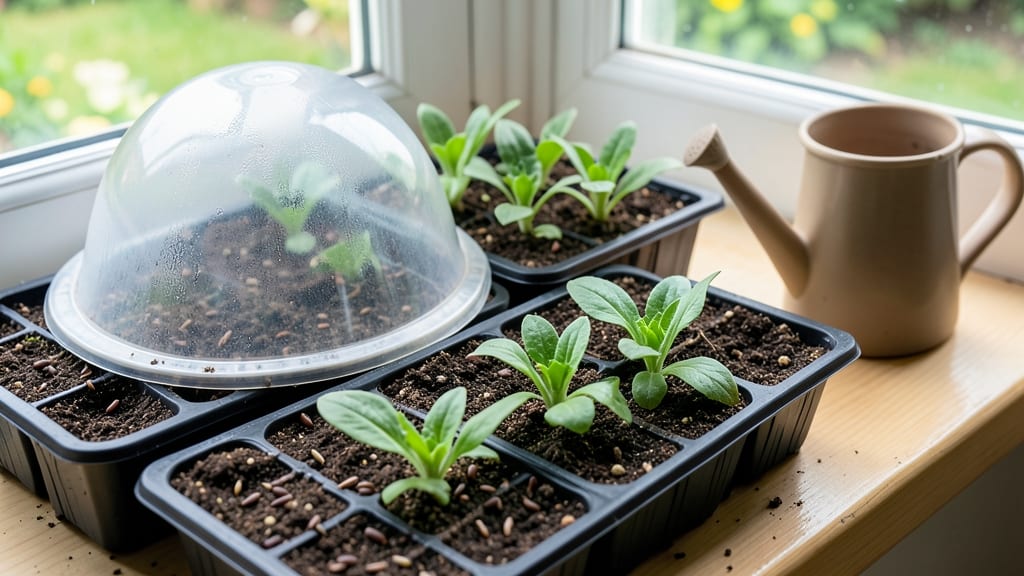
Starting zinnias from seed indoors guarantees bold, long-lasting blooms in just 60 days—no twist struggles or leggy seedlings here. 🌻 I’ve grown zinnias from seed for years, and the secret is timing, light, and a little patience.
These cheerful flowers reward you with vibrant colors and easy care, but they need the right start to avoid the common pitfalls of indoor seedling woes.
The key to success starts with the right setup: a warm spot, bright light, and well-draining soil. You’ll need small seed-starting trays, a heat mat (optional but helpful), and a grow light or sunny windowsill.
Zinnias germinate quickly—usually within 5-10 days—but they need consistent warmth and moisture to avoid damping off, a fungal disease that can wipe out seedlings overnight.
By the time you transplant them outdoors, your zinnias will be stocky, dark-green plants ready to thrive in the garden. The payoff? Nonstop blooms from summer until frost, with flowers that attract butterflies and bees. Plus, you’ll save money and get varieties you won’t find at nurseries.
Whether you’re a beginner or a seasoned gardener, this method works—just adjust for your climate and space. Let’s get those seeds sprouting and those blooms bursting!
📚 In This Guide
- What you need
- Instructions
- Tips and common mistakes
- Wrapping up and next steps
What you need
- ● Zinnia seeds: Choose a variety like Benary’s Giant or Profusion (1-2 packets, ~50-100 seeds total).
- ● Seed-starting trays or pots: 4-6" deep with drainage holes (4-6 trays/pots for 1 packet of seeds).
- ● Seed-starting mix: Lightweight, sterile mix (e.g., Pro-Mix or Black Gold)—1 bag (8-12 qt) for multiple trays.
- ● Grow lights or sunny windowsill: 12-16 hours of light daily (full-spectrum LED or fluorescent bulb, 12-24" above plants).
- ● Spray bottle: For gentle watering (1 small bottle).
- ● Plastic wrap or humidity dome: To retain moisture (1 sheet or dome per tray).
- ○ Heat mat (optional but helpful): 60-75°F bottom heat speeds germination (1 mat, 10-20W).
- ● Seedling heat mat: Boosts germination speed.
- ● Fertilizer: Balanced liquid fertilizer (e.g., Fish Emulsion) for later growth.
- ● Grow room or greenhouse: For extended seedling care.
- ● Plant labels: To track varieties (e.g., Zinnia ‘Double Click’).
- ● Pruning shears: For future thinning or trimming.
Step-by-Step instructions for growing zinnias from seed indoors
Here's how I get vibrant zinnias blooming in just 60 days—no finicky transplanting required.
🌱 Step 1: Prepare Containers and Seed Starting Mix
Fill small 2-3 inch deep pots with a sterile seed-starting mix—never garden soil, which can harbor fungal diseases. I like to use biodegradable pots because they eliminate transplant shock later. Moisten the mix until it's damp like a wrung-out sponge, but not dripping.
Press the soil surface down gently with your fingers to create a firm seedbed. This prevents seeds from sinking too deep during watering. The key is to create a fine, even layer where seeds can make direct contact with moisture without being buried.
🌱 Step 2: Sow Seeds at Proper Depth
Zinnia seeds are tiny but pack a punch—plant just 1/8 inch deep, about the thickness of a credit card. I use a toothpick to make tiny holes and drop 2-3 seeds per pot to ensure germination. Cover lightly with a sprinkle of additional mix—don't press down or you'll bury them too deep.
Mist the surface gently with a spray bottle until the soil looks uniformly moist. Overwatering now can cause seeds to wash away or rot before germinating. Place pots in a warm spot (70-75°F)—a seedling heat mat speeds this along.
☀️ Step 3: Provide Consistent Warmth and Light
Germination takes 7-14 days depending on your home's warmth. Keep soil consistently moist but never soggy—you'll know it's right when the surface stays damp but doesn't glisten. Once sprouts appear, remove any humidity dome immediately to prevent damping-off.
Move seedlings under grow lights or a south-facing window for 14-16 hours daily. Zinnias need bright light to prevent leggy growth. You'll see strong seedlings develop when leaves are dark green and stems are thick—not wire-thin and stretching.
🌿 Step 4: Thin and Harden Off Seedlings
When seedlings reach 2 inches tall with their first true leaves, thin to the strongest plant per pot. Use scissors to snip weak stems at soil level—this prevents disturbing roots. Feed with a diluted liquid fertilizer (half-strength) to encourage robust growth.
Two weeks before your last frost, start hardening off by placing pots outside in morning sun only for 1-2 hours daily. Gradually increase exposure over 10 days
Plant seedlings 12-18 inches apart in well-draining soil with full sun (6+ hours daily). Zinnias thrive in average garden soil but bloom best with a balanced fertilizer applied at planting. Water deeply at the base to encourage strong root development. You'll see buds form in 4-6 weeks after transplanting. The first flush of blooms appears when plants reach 12-18 inches tall
🪴 Step 5: Transplant Outdoors for Full Bloom
Tips & tricks for perfect zinnias from seed indoors
Took me years to figure out these tricks after struggling with leggy seedlings and weak blooms—here's what actually works.
The Warmth Factor: That 70-75°F temperature range in Step 2 isn't just a suggestion—it's the sweet spot for germination. If your home runs cooler, place pots on a heat mat or even atop the fridge. I've seen germination rates double when seeds stay consistently warm. The key is maintaining that warmth without overheating, which can dry out the mix too quickly.
Lighting Strategy: For the 14-16 hours daily light requirement in Step 3, I recommend using LED grow lights positioned just 2-3 inches above seedlings. They're energy-efficient and emit the full spectrum zinnias need. If using a south-facing window, rotate pots daily so all sides get equal light exposure—this prevents lopsided growth where stems lean toward the light source.
Hardening Off Hack: When you start the 1-2 hours daily hardening process in Step 4, I've found that placing pots in dappled shade during the first few sessions works better than full sun. This gradual transition prevents seedlings from getting sunburned while still acclimating to outdoor conditions. Watch for leaves that look like they've been dusted with flour—that's the classic sign of sun stress.
Transplant Timing: The 12-18 inches apart spacing in Step 5 might seem generous, but it's worth it for those showstopping blooms. I wait until plants reach 12-18 inches tall before transplanting because this size gives them a head start on establishing roots. Plant slightly deeper than the original pot level—this encourages new root growth from the buried stem.
Pro Tips for Zinnias From Seed Indoors
- Took me years to figure out these tricks after struggling with leggy seedlings and weak blooms—here's what actually works.
- The Warmth Factor: That 70-75°F temperature range in Step 2 isn't just a suggestion—it's the sweet spot for germination.
- Lighting Strategy: For the 14-16 hours daily light requirement in Step 3, I recommend using LED grow lights positioned just 2-3 inches above seedlings.
Frequently asked questions
Got questions about growing zinnias from seed indoors?
You’re not alone! Here are answers to the most common concerns—so you can skip the guesswork and focus on those vibrant blooms.
When should I start zinnia seeds indoors?
Start seeds 6–8 weeks before your last frost date for optimal results. Zinnias grow fast—typically blooming in 60–70 days from seed! If your frost date is May 15, aim for early-to-mid March. Pro tip: Use a seed-starting heat mat (70–75°F) to speed up germination.
Do zinnias need light indoors before transplanting?
Zinnia seedlings crave light—place them under grow lights 14–16 hours daily or near a south-facing window. Without enough light, they’ll grow leggy and weak. A sunlight LED bulb works wonders if natural light is limited.
Why aren’t my zinnia seeds germinating?
Common culprits: too-cold soil (zinnias need warmth), damp but not moist soil, or old seeds (store-bought seeds last 1–2 years). Try pressing seeds lightly into soil (they need light to germinate) and keeping humidity high with a plastic dome or spray bottle.
Can I grow zinnias indoors year-round?
Not without help! Zinnias are sun-loving annuals and need 6+ hours of direct sunlight daily. If you’re indoors, supplement with grow lights. For year-round blooms, try dwarf varieties (like ‘Thumbelina’) in containers near bright windows or under lights.
What if my seedlings get leggy or weak?
Leggy seedlings mean not enough light or overcrowding. Thin seedlings to 1–2 inches apart and move them closer to light (or upgrade to a stronger bulb). Pinch off the top set of leaves to encourage bushier growth. Once hardened off, they’ll bounce back outdoors!
Wrapping up and next steps
Growing zinnias from seed indoors is a rewarding journey—one that turns tiny seeds into vibrant blooms in just 60 days! With the right setup, patience, and care, you’ll enjoy a burst of color without the fuss of twisty stems or outdoor challenges.
Whether you’re a beginner or a seasoned gardener, this method proves that big results start small.
Now that you’re armed with tips and troubleshooting tricks, it’s time to roll up your sleeves! Start your seeds today, and soon, your windowsill will be a living canvas of cheerful zinnias.
Ready to transplant or share your success? Tag us in your garden pics—we’d love to see your progress! 🌸