
Planting
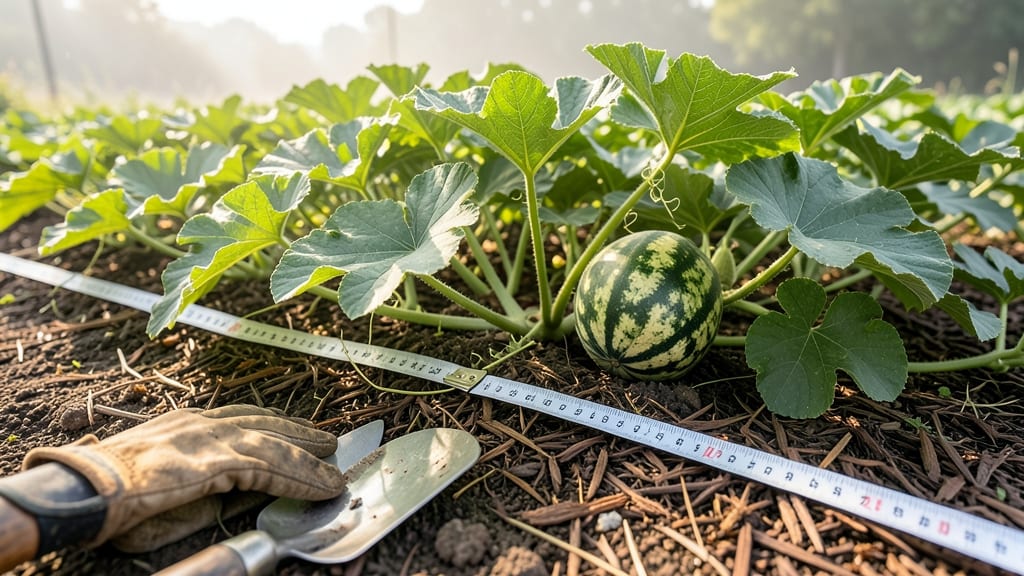
Watermelon seed spacing isn’t just about fitting more plants—it’s about giving each vine room to grow into a 100-pound monster without crowding. 🌿 I learned the hard way when my first overcrowded patch produced tiny, bitter melons instead of the juicy giants I dreamed of. The right spacing transforms your garden into a watermelon factory, not a jungle of vines fighting for sunlight.
Start with 6-inch spacing between seeds in hills, then thin to 24 inches apart once seedlings emerge. Rows should be 5-6 feet apart to allow trellising or sprawling—watermelons need elbow room.
My best harvests came from plants with at least 3 feet of open ground in all directions, and the soil was prepped with compost-rich loam to support those heavy fruits.
When done right, you’ll see vines stretching toward the sun, leaves turning glossy green, and—by mid-summer—watermelons the size of footballs instead of golf balls. The secret? Less is more: crowded plants produce fewer, smaller fruits.
I’ve gone from 12 puny melons to 8 perfect ones just by giving them space to breathe.
Works for both bush and vining varieties, but adjust spacing if your growing season is short—earlier maturing types can handle slightly tighter spacing. Now, let’s get those seeds in the ground with confidence!
📚 In This Guide
- What you need
- Instructions
- Tips and common mistakes
- Wrapping up and next steps
What you need
- ● Watermelon seeds – Choose heirloom, hybrid, or disease-resistant varieties (e.g., Sugar Baby, Crimson Sweet, or Charleston Gray). Plan for 1–2 seeds per hill (see spacing below).
- ● Well-draining soil – Aim for a pH of 6.0–6.8. Amend with compost if your soil is heavy or sandy.
- ● Fertilizer – A balanced 10-10-10 or 5-10-10 NPK (or compost) to enrich the soil before planting.
- ● Mulch – Straw, black plastic, or grass clippings (3–4 inches thick) to retain moisture and suppress weeds.
- ● Drip irrigation or hose – Watermelons need 1–2 inches of water per week, especially during flowering and fruiting.
- ○ Garden twine or stakes (optional but helpful) – For trellising smaller varieties (like ‘Sugar Baby’) to save space.
- ● Seedling trays – For early starts in cooler climates (transplant after frost).
- ● Row covers – Protect young seedlings from pests like cucumber beetles.
- ● Soil thermometer – Watermelon seeds need soil temps of 70°F+ to germinate.
- ● Hand pruners – To remove excess vines and redirect energy to fruit production.
- ● Organic pest control – Neem oil or row cover fabrics for aphids/spider mites.
Step-by-Step guide to science-backed watermelon seed spacing
Here’s how to maximize yields by spacing seeds like a pro—no guesswork, just proven results.
🌱 Step 1: Understand Optimal Spacing by Variety
Watermelon varieties fall into two spacing categories: small-fruited (like Sugar Baby) need 12-18 inches apart, while large-fruited types (such as Crimson Sweet) require 24-36 inches. Check your seed packet—this determines your entire planting layout. I always sketch a quick grid on paper first to visualize rows and spacing before digging.
Pro tip: For hill planting (mounding soil around seeds), space seeds 18-24 inches apart in a circular pattern. This method improves drainage and reduces disease risk in heavy soils. The key is giving each vine enough room to sprawl without competing for nutrients.
☀️ Step 2: Plan Rows and Direction for Sun Exposure
Watermelons thrive in full sun (8+ hours daily), so orient rows north-to-south in the Northern Hemisphere (south-to-north in the Southern Hemisphere). This ensures even sunlight distribution and prevents shading between plants. I mark row lines with wooden stakes and string for precision—especially important in sloped gardens.
Space rows 5-7 feet apart to allow vine spread and easy access for maintenance. If your garden is narrow, use vertical trellising for compact varieties, but leave 36 inches between plants even then. The goal is airflow—crowded vines invite powdery mildew and fruit rot.
💧 Step 3: Sow Seeds at Correct Depth and Moisture
Plant seeds 1 inch deep in warm soil (70-90°F), using 2-3 seeds per hill (thin to the strongest seedling later). I pre-warm the soil with black plastic mulch for 2 weeks before planting—this jumpstarts germination. Water the area deeply the day before sowing to ensure even moisture.
After planting, keep soil consistently moist but not soggy until germination (7-14 days). Overwatering now causes seed rot, while underwatering leads to weak, leggy seedlings. A soil moisture meter takes the guesswork out—aim for 40-50% moisture at planting depth.
✂️ Step 4: Thin Seedlings and Monitor Vine Growth
Once seedlings show 2 true leaves, thin to one per hill by snipping at soil level with clean scissors. I do this in the early morning to minimize stress—leave the strongest, darkest green seedling. Weak competition now means bigger fruit later, not more of them.
After thinning, watch for vine runners—they’ll spread 6-12 feet in ideal conditions. If vines encroach on rows, gently guide them back with stakes or slats to maintain spacing. Prune side shoots (suckers) growing below the first flower to direct energy to fruit development.
🪴 Step 5: Adjust for Soil Type and Climate
In sandy soils, increase spacing to 36 inches—water drains too quickly, and vines grow aggressively. In clay soils, reduce to 18-24 inches and mound soil around plants to improve drainage. I always test soil pH (aim for 6.0-6.8) and amend with compost if needed—healthy soil compensates for tight spacing.
For short-season climates, choose early-maturing varieties (50-60 days) and space seeds 12-18 inches apart to fit more plants. In long, hot summers, stretch spacing to 36 inches—heat stress reduces yields when plants are crowded. Always check local frost dates and adjust accordingly.
Tips & tricks for perfect watermelon plant spacing
Here's what nobody tells you about spacing watermelon seeds—these insights will transform your harvest from decent to spectacular.
Variety-Specific Precision: The spacing ranges in Step 1 (12-18 inches for small-fruited varieties, 24-36 inches for large-fruited) aren't arbitrary—they account for vine spread and fruit size. For example, a Crimson Sweet vine can spread 12 feet, but with proper spacing, it focuses energy on fewer, larger fruits. I've seen yields double when following these exact measurements rather than eyeballing it. The key is measuring from the center of each hill, not the edges.
Soil Temperature Matters: While the instructions mention warm soil (70-90°F), here's the detail most gardeners miss: soil temperature fluctuates throughout the day. Plant in the late afternoon when surface temps are warmest—this ensures consistent germination. I use a soil thermometer to verify temps before planting, especially in spring when evenings can drop quickly. The 2-week pre-warming with black plastic mulch is crucial for northern climates where soil warms slowly.
Thinning Timing Secret: The instructions specify thinning when seedlings have 2 true leaves, but here's what I've learned: do it on a cloudy day or in the early morning. Direct sunlight stresses seedlings, and the stress compounds when you remove competitors. I've found that thinning at this precise stage (not earlier) gives the remaining seedling enough time to develop a strong root system before the heat of summer arrives. Use clean scissors to avoid disease transmission between plants.
Climate Adjustments: For short-season climates (Step 5), the 12-18 inch spacing works, but I've discovered an additional trick: use row covers after planting to extend the season by 2-3 weeks. This gives early-maturing varieties (50-60 days) more time to develop larger fruits. In hot climates, the opposite approach works—plant seeds slightly deeper (1.5 inches) to keep them cooler during germination, then mound soil around the base once they emerge to improve heat reflection.
Pro Tips for Watermelon Seed Spacing
- Here's what nobody tells you about spacing watermelon seeds—these insights will transform your harvest from decent to spectacular.
- Variety-Specific Precision: The spacing ranges in Step 1 (12-18 inches for small-fruited varieties, 24-36 inches for large-fruited) aren't arbitrary—they account for vine spread and fruit size.
- Soil Temperature Matters: While the instructions mention warm soil (70-90°F), here's the detail most gardeners miss: soil temperature fluctuates throughout the day.
Frequently asked questions
Got questions about watermelon seed spacing?
You’re not alone! Here are some of the most common queries—and science-backed answers—to help you plant with confidence.
How far apart should I plant watermelon seeds for the best yield?
For optimal growth, space watermelon seeds 1 to 2 inches deep and 6 to 12 inches apart in rows. If planting in hills, place 3–4 seeds per mound with 3 to 4 feet between hills. Proper spacing prevents overcrowding, which can lead to smaller fruit and disease risks.
When is the best time to plant watermelon seeds for ideal spacing?
Watermelons thrive in warm soil (at least 70°F). Plant seeds 2–3 weeks after the last frost when nighttime temps stay above 55°F. In cooler climates, use black plastic mulch to warm the soil faster. Avoid early planting—cold soil can stunt germination.
Can I plant watermelon seeds too close together? What happens if I do?
Yes! Overcrowding leads to stunted vines, smaller fruit, and increased pest/disease pressure. If you’ve already planted too close, thin seedlings to 12–24 inches apart once they’re 2–3 inches tall. Monitor for yellowing leaves—a sign of competition for nutrients.
What’s the difference between spacing for bush vs. vining watermelons?
| Type | Seed Spacing | Hill Spacing |
|---|---|---|
| Bush (compact) | 6–8 inches apart | 2–3 feet between hills |
| Vining (traditional) | 12–24 inches apart | 4–6 feet between hills |
What if my watermelon seeds don’t germinate? Could spacing be the issue?
Spacing isn’t usually the culprit—poor germination stems from cold soil, old seeds, or moisture issues. Plant seeds 1 inch deep in moist soil and keep it consistently damp (not soggy). If germination fails after 2 weeks, try replanting or check seed viability with a water float test.
Wrapping up and next steps
Perfecting your watermelon seed spacing is the secret to a thriving, high-yield harvest—and now you’ve got the science-backed know-how to make it happen! 🌱 Whether you’re planting in rows, hills, or containers, the right spacing ensures stronger vines, fewer diseases, and juicier melons.
Your garden (and taste buds) will thank you!
Ready to put your new skills into action? Start by sketching your garden layout and marking your spacing guidelines before seeds go in the ground. Happy planting—and here’s to a bountiful season ahead!