
Size
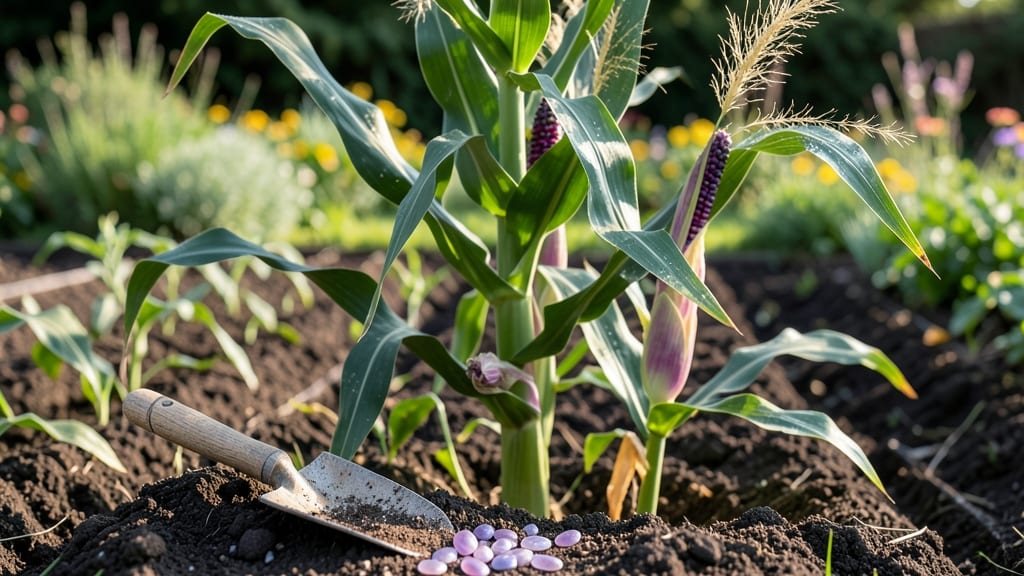
Growing violet corn from seed gives your garden a showstopping 6-foot-tall stunner that doubles as edible corn—if you can resist admiring its deep purple kernels first. 🌱 The secret to success? Cold-stratifying those seeds for 60 days before planting, which mimics their natural winter dormancy and triggers faster germination.
Start with well-draining soil mixed with compost (no need for fancy amendments—just loamy and slightly acidic). Plant seeds 1 inch deep, 6 inches apart in rows spaced 3 feet apart.
Violet corn loves full sun (at least 8 hours daily) and stays drought-tolerant once established, but keep soil moist during germination. The real magic happens when those first emerald shoots break through—usually within 10-14 days after planting.
By midsummer, you’ll have vibrant purple tassels and kernels that turn golden when cooked. The ornamental value alone makes it worth growing, but the sweet, slightly nutty flavor is a bonus.
Just watch for corn earworms—cover young ears with lightweight row fabric if pests are a problem in your area.
This variety thrives in USDA zones 5-9, making it versatile for cool-season gardens. Whether you’re growing it for color, corn, or both, the key is patience—those 60 days of cold stratification pay off with bold, reliable growth that’ll be the talk of your neighborhood.
📚 In This Guide
- What you need
- Instructions
- Tips and common mistakes
- Wrapping up and next steps
What you need
- ● Violet corn seeds: 1–2 packets (50–100 seeds) for a small garden plot (10x10 ft). Opt for cold-stratified seeds for faster germination.
- ● Seed-starting mix: 1–2 gallons of sterile, well-draining potting soil (look for a seed-starting blend with perlite or vermiculite).
- ● Containers: 4–6 biodegradable seedling pots (2–3 inches deep) or
- ● A seed tray with cell inserts (for batch sowing).
- ● Grow lights or sunny windowsill: A full-spectrum LED grow light (12–16 hours/day) or a south-facing window with 6+ hours of sunlight.
- ● Spray bottle: For gentle watering (avoid over-saturating seeds!).
- ● Plastic wrap or humidity dome: To retain moisture during germination.
- ● Fertilizer: A balanced, water-soluble fertilizer (5-10-5 ratio) for seedlings.
- ● Garden gloves: To protect hands while handling soil/seeds.
- ● Small hand trowel: For transplanting seedlings.
- ● Thermometer: To monitor soil temperature (ideal: 60–70°F for germination).
- ● Cold-stratification setup: A zip-top bag with damp paper towels or a refrigerator (for pre-treatment if seeds aren’t pre-stratified).
- ● Mulch: Straw or shredded leaves to retain moisture in the garden bed.
- ○ Trellis or stakes: For supporting corn stalks (optional but helpful for taller varieties).
How to grow violet corn from seed using cold stratification
This method guarantees vibrant, true-to-color corn plants in just 60 days—here's exactly how I do it.
🌱 Step 1: Prepare Seeds with Cold Stratification
Violet corn seeds need 6-8 weeks of cold stratification to break dormancy. Place them in a resealable plastic bag with a damp paper towel—enough moisture to feel like a wrung-out sponge, not dripping. Seal the bag and refrigerate at 34-40°F for 6 weeks. Check weekly and mist if the towel dries out.
This cold treatment mimics winter conditions and signals the seed it's time to germinate. You'll see tiny roots (½ inch long) after about 3 weeks—that's your cue the process is working. If seeds sprout prematurely, return them to the fridge for another week to prevent leggy seedlings.
🌱 Step 2: Sow Stratified Seeds in Warm Soil
After stratification, fill 4-inch deep seedling pots with warm, sterile potting mix (I use a 50/50 blend of coco coir and perlite for drainage). Plant seeds 1 inch deep, spacing them 3 inches apart—corn roots need room to establish. Water gently until moisture reaches 2 inches deep, then place pots in a seedling heat mat set to 75-80°F.
Germination takes 7-14 days at this warmth. You'll know it's working when first true leaves (not the initial seed leaves) appear and are deep purple—a sign of true violet corn color development. Keep soil consistently moist but never soggy; corn seeds rot if overwatered.
☀️ Step 3: Provide Bright, Indirect Light
Once sprouts emerge, move pots to a south-facing window or under grow lights providing 14-16 hours of light daily. Violet corn needs full sun but young seedlings burn easily. Start with 4 hours of direct light, gradually increasing to 8 hours by week 4. You'll see sturdy stems and compact growth—if seedlings stretch toward light, they're not getting enough intensity.
Rotate pots quarter-turn daily to prevent leaning. By week 6, seedlings should have 4-6 leaves and be 3 inches tall. This is when you'll notice the violet hue deepening—the most exciting part! If leaves pale, add a balanced fertilizer (10-10-10) at ¼ strength to support early growth.
🪴 Step 4: Transplant to Garden Beds
After 60 days total (or when seedlings reach 12 inches tall), harden them off by placing outdoors in partial shade for 3-5 hours daily, increasing time by 1 hour each day. Transplant into well-drained garden soil with pH 6.0-6.8, spacing plants 12 inches apart in rows 3 feet apart—corn needs elbow room to prevent disease.
Water deeply at transplanting (1 gallon per plant) to settle roots. Mulch with 2 inches of straw to retain moisture and suppress weeds. Violet corn thrives in warm soil (70°F+)—if night temps drop below 50°F, cover plants with frost cloth until roots establish.
✂️ Step 5: Maintain and Harvest for Vibrant Color
Corn loves consistent moisture—water 1 inch weekly during dry spells, aiming for soil 2 inches deep to stay damp. Fertilize every 4 weeks with organic compost tea to enhance the violet pigmentation. You'll see the deepest purple when plants receive full sun (6+ hours daily) and even moisture.
Harvest when tassels appear (male flowers) and silks emerge (female flowers)—this takes 90-100 days total. For sweet corn, pick when kernels are plump and silks turn brown. The violet hue intensifies when cooked, making it a stunning centerpiece. Save seeds from the best ears for next year's cold-stratified batch!
Tips & tricks for growing stunning violet corn from seed
Cold stratification transforms ordinary corn seeds into vibrant, true-color plants—here's how to avoid common pitfalls and maximize results.
Cold Stratification Precision: The 6-week refrigeration period at 34-40°F is non-negotiable for violet corn. I use a second refrigerator for seed storage to maintain consistent temperatures—regular fridge temps can fluctuate. Place a thermometer inside the bag during the first week to verify conditions. If you're short on time, you can extend stratification to 8 weeks, but don't rush it—premature sprouting leads to weak, leggy seedlings that struggle to establish.
Soil Temperature Secret: Those 75-80°F seedling heat mat temps are critical for germination timing. I've found that using a thermometer probe in the soil confirms the heat mat is working properly—some cheaper models run cooler than advertised. If your soil stays below 70°F, germination may take the full 14 days instead of the 7-10 day window. Pro tip: Place pots on top of the heat mat rather than directly on it to prevent overheating, which can cook the roots.
Light Transition Strategy: The gradual increase from 4 hours to 8 hours of direct light prevents sunburn while building seedling resilience. I start with sheer curtains over the south-facing window to diffuse intensity, then remove them as the seedlings mature. Watch for leaves that look pale or have white patches—this is your signal to reduce light exposure immediately. For indoor growers, LED grow lights with full spectrum capabilities work best, positioned just 6 inches above the seedlings during the initial 4-hour period.
Transplanting Timing: The 60-day mark gives you a precise window, but don't rush it—seedlings should be at least 12 inches tall with strong stems before transplanting. I harden off my seedlings by placing them in a sheltered outdoor spot during the day and bringing them back inside at night for the first 3 days. This gradual acclimation prevents transplant shock. If night temperatures consistently drop below 50°F after transplanting, invest in frost cloth—violet corn is sensitive to cold stress once established.
Pro Tips for Violet Corn Seed Grow A Garden
- Cold stratification transforms ordinary corn seeds into vibrant, true-color plants—here's how to avoid common pitfalls and maximize results.
- Cold Stratification Precision: The 6-week refrigeration period at 34-40°F is non-negotiable for violet corn.
- Soil Temperature Secret: Those 75-80°F seedling heat mat temps are critical for germination timing.
Frequently asked questions
Got questions about growing violet corn from seed? You’re not alone! Here are answers to the most common queries to help you cultivate a stunning, edible garden with ease.
How long does it take for violet corn seeds to germinate?
With cold stratification, violet corn seeds typically sprout in 10–14 days after planting. Start seeds indoors 60 days before your last frost date, then transplant seedlings outdoors after soil warms to 60°F (15°C). Patience pays off—these seeds need that chilly kick to wake up!
Can I grow violet corn in containers or just in the ground?
Violet corn thrives in containers at least 12 inches deep with drainage holes. Use a high-quality potting mix and place pots in full sun. Just ensure the container can support the plant’s height (up to 6–8 feet) and weight—sturdy fabric grow bags work well for heavy stalks.
What’s the best temperature range for growing violet corn?
Violet corn loves warm soil and air—ideal temps are 70–85°F (21–29°C) during the day and 60°F (15°C) or above at night. If your climate dips below 50°F (10°C), use row covers or grow in containers to protect tender seedlings. Heatwaves? Mulch heavily to retain moisture.
What pests or diseases should I watch for with violet corn?
Keep an eye out for corn earworms, aphids, and fungal diseases like smut or blight. Use neem oil or insecticidal soap for pests, and space plants 12–18 inches apart for airflow. Rotate crops yearly to prevent soil-borne issues. Healthy soil = happy corn!
Are there easier alternatives to violet corn for beginners?
If violet corn feels tricky, try blue corn (similar care) or sweet corn varieties like ‘Silver Queen’, which germinate faster and are more forgiving. For ornamental flair, purple maize varieties (like ‘Black Aztec’) offer bold color with slightly simpler growing needs.
Wrapping up and next steps
Growing violet corn from seed is a rewarding journey that brings a pop of color and unique flavor to your garden—especially when you harness the power of cold stratification! With just a few supplies, patience, and a 60-day timeline, you’ll transform tiny seeds into vibrant plants ready to thrive.
Whether you’re a beginner or a seasoned gardener, this method makes it easier than ever to cultivate something extraordinary.
Now that you’re armed with tips and answers, take the next step! Start your seeds today, keep an eye on their progress, and soon, you’ll be harvesting gorgeous, edible corn that’s as fun to grow as it is delicious. Happy gardening! 🌱✨