
Lawn
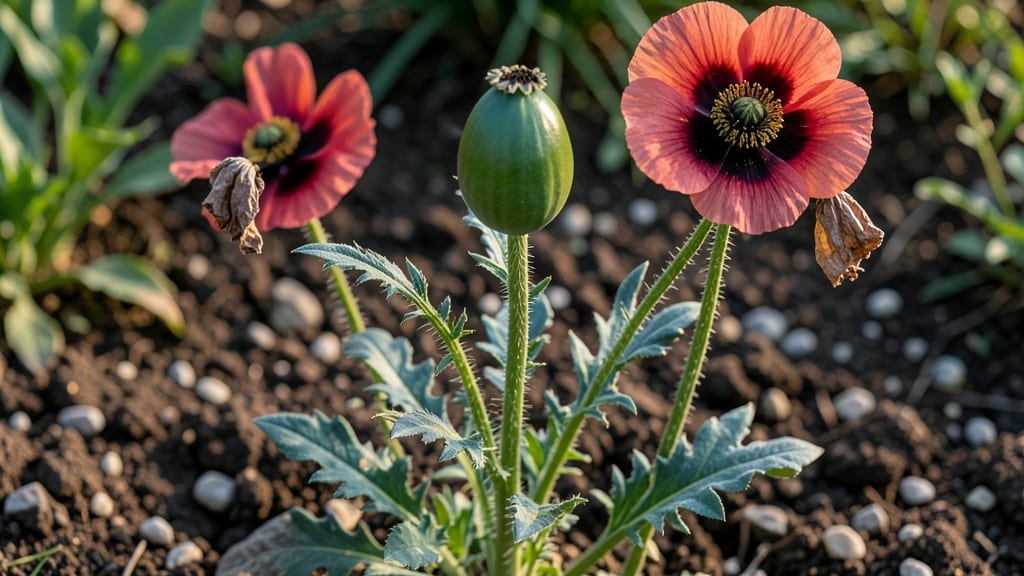
Twisting unripe poppy seed pods that never ripen are a gardener’s worst nightmare—until you know why it happens. 🌸 The culprit is usually a mix of environmental stress, hungry pests, or plants that got overcrowded before flowering.
I’ve lost entire seed harvests to this, but the fix is simpler than you’d think: it’s all about timing, spacing, and a little extra care during the critical flowering stage.
First, check your poppies for bright green pods that stay firm but never turn papery brown. If they twist and crack open too soon, it’s a sign of either too much heat during pollination or aphid infestations sucking the sap.
The solution? Thin plants to 12–18 inches apart before they flower, and spray with neem oil if you spot sticky residue on stems—aphids love poppies.
Here’s the game-changer: water deeply but less frequently once buds appear. Overwatering stresses roots, while drought forces pods to ripen prematurely. Mulch with straw to keep soil moisture steady, and watch for golden stamens (the pollen stage)—that’s when pods need consistent care.
Within 7–10 days, healthy pods will turn from green to a matte brown, signaling it’s time to harvest.
Pro tip: Harvest seeds in the morning when pods are dry, and store them in a paper bag (not plastic) to prevent mold. If you’re still seeing twisted pods, check for powdery mildew on leaves—it weakens plants just as seeds mature.
With these tweaks, you’ll go from frustrated to baskets full of viable seeds in no time.
📚 In This Guide
- What you need
- Instructions
- Tips and common mistakes
- Wrapping up and next steps
What you need
- ● Unripe poppy seed pods: Harvest 10–20 pods at the green, firm stage (before they twist or dry completely). Aim for pods that are still plump but not yet cracking open.
- ● Paper towels or breathable cloth: 2–3 sheets (for drying and handling). Opt for unbleached, lint-free material to avoid contamination.
- ● Small cardboard boxes or paper bags: 1–2 (with ventilation holes, ~8x8 inches). Line with paper towels to cushion pods.
- ● Twine or rubber bands: 3–5 pieces (for securing bags or boxes if needed). Use soft, non-restrictive materials.
- ● Fine-mesh sieve or colander: 1 (with holes ~1/8 inch or smaller) for separating seeds later.
- ● Spray bottle with water: 1 (for occasional misting—lightly!).
- ● Pruning shears or clean scissors: 1 pair (for harvesting pods without damaging stems). Sterilize with rubbing alcohol first!
- ● Glass jars with lids: 2–3 (quart-sized, for long-term storage). Use airtight but ensure minimal condensation.
- ○ Humidity monitor (optional): A small digital hygrometer (aim for <60% humidity) to track drying conditions.
- ○ Food-safe silica gel packets (optional): 1–2 (place in jars to absorb excess moisture during storage). Do not let pods touch them directly.
- ● Labeling tags & permanent marker: For tracking harvest dates and pod varieties.
How to prevent twisting in unripe poppy seed pods
Twisting poppy seed pods ruin harvests—here's how to keep them straight and full of viable seeds.
🌱 Step 1: Identify the Right Pods to Save
Poppy seed pods only produce viable seeds when they're fully mature but before they twist. Look for pods that are dry to the touch but still greenish-brown—not fully brown or cracked. A mature but unripe pod will feel paper-thin when gently squeezed between fingers, like a crisp autumn leaf.
I always check pods in the morning after dew has dried. If you harvest too early, seeds won't develop properly; too late, and the pod will twist shut, trapping seeds inside. The key is catching that just-right stage when the pod is slightly wrinkled but hasn't started curling.
✂️ Step 2: Harvest Pods Before Twisting Begins
Use clean, sharp pruning shears to snip the entire pod from the stem, leaving about ½ inch of stem attached. This prevents damage to the delicate pod walls. Place harvested pods in a single layer on a paper towel-lined tray—never stack them, as moisture buildup speeds up twisting.
Here's the thing—poppy pods twist fastest in humid conditions. If your climate is damp, harvest pods early in the day when humidity is lowest. Store them in a cool, dry place (around 65-70°F) until you can process them within 24 hours. If you can't process them immediately, spread them out to dry further in a well-ventilated spot away from direct sunlight.
💧 Step 3: Dry Pods Properly to Prevent Twisting
Spread the pods on a clean, breathable surface like a mesh screen or unglazed ceramic tile. Avoid plastic or glass—they trap moisture and encourage twisting. Place the setup in a shady, dry area with good airflow, like a covered porch or under a tree canopy. Direct sunlight will over-dry the pods and reduce seed viability.
Check pods daily. They're ready when they're completely dry and crisp—you should hear a papery crackle when you gently bend one. If you see any pods starting to twist, remove them immediately and process them separately. Twisting spreads quickly, so act fast. A fully dried pod will feel light as air and look matte, not glossy.
🌿 Step 4: Process Seeds Before Pods Twist Shut
Once pods are fully dry, place them in a paper bag and gently crush or roll them with a rolling pin or your hands. The goal is to release seeds without damaging them. Poppy seeds are tiny and delicate—never shake pods over a bowl, as the force can break seed coats and reduce germination.
Sift the mixture through a fine-mesh strainer to separate seeds from pod debris. Store seeds in an airtight container in a cool, dark place for up to 6 months. If you notice any seeds still encased in pod fibers, let them dry an extra day—they'll release more easily. The fresher the seeds, the higher the germination rate, so process pods as soon as they're dry.
⏰ Step 5: Monitor for Early Twisting Signs
Even with perfect drying conditions, some pods may start twisting. If you catch it early, place the twisting pod in a warm, dry spot (around 75°F) for 24 hours—the heat can sometimes relax the pod enough to salvage seeds. If the pod is already fully twisted, cut it open carefully with a small knife to extract any remaining seeds.
Real talk: You'll lose some pods to twisting, but saving even half means a bountiful harvest. The key is speed and airflow. The faster you dry and process pods, the fewer you'll lose. Keep a close eye on them, especially in humid weather, and you'll maximize your seed yield every season.
Tips & tricks for perfect poppy seed pod harvesting
Saving viable poppy seeds starts with the right timing and conditions—here's how to maximize your harvest without losing pods to twisting.
Harvest Timing: The 24-hour window between harvesting and processing is critical. I learned this the hard way after losing an entire batch to overnight humidity. Harvest pods in the morning when dew has evaporated, and process them within 24 hours. If you must store them, place them in a cool, dry spot (around 65-70°F) and spread them out to prevent moisture buildup. This prevents the enzymatic reactions that trigger twisting.
Drying Surface Selection: Avoid plastic or glass surfaces at all costs—they trap moisture and accelerate twisting. Instead, use unglazed ceramic tiles or mesh screens for airflow. I've had the best success with terracotta plant saucers placed under a shade cloth. The porous material wicks away moisture while allowing air circulation, which is essential for even drying.
Early Twisting Rescue: If you catch a pod starting to twist, don't panic. Place it in a warm, dry spot (around 75°F) for 24 hours—the gentle heat can relax the pod fibers enough to prevent complete closure. I've salvaged seeds this way from pods that were already 70% twisted. For fully twisted pods, carefully cut them open with a small knife to extract any remaining seeds, but expect lower viability.
Seed Processing Technique: Never shake pods over a bowl—the force breaks delicate seed coats and reduces germination rates. Instead, place fully dry pods in a paper bag and gently roll them with a rolling pin or crush them by hand. The paper bag absorbs moisture while protecting seeds from impact. After processing, sift through a fine-mesh strainer to separate seeds from pod debris, which helps maintain seed purity for storage.
Pro Tips for Unripe Poppy Seed Pod
- Saving viable poppy seeds starts with the right timing and conditions—here's how to maximize your harvest without losing pods to twisting.
- Harvest Timing: The 24-hour window between harvesting and processing is critical.
- Drying Surface Selection: Avoid plastic or glass surfaces at all costs—they trap moisture and accelerate twisting.
Frequently asked questions
Got questions about unripe poppy seed pods and how to keep them straight for better harvests?
Here are some of the most common concerns—plus quick fixes to save your seeds!
Why do poppy seed pods twist before ripening?
Poppy seed pods naturally twist as they mature to release seeds when dry. However, if they twist too early, seeds won’t fully develop. This happens due to uneven watering, stress, or genetic quirks in certain varieties. Supporting pods with twine or mesh can prevent premature twisting and help seeds ripen properly.
How long does it take for poppy pods to fully ripen?
Poppy seed pods typically take 60–90 days to mature after flowering, depending on the variety and climate. Look for pods that turn dry, papery, and slightly brown—they’re ready when they rattle with seeds inside. Harvest them before they split open naturally to avoid seed loss!
Can I still use seeds from twisted or unripe pods?
Yes, but viability may be lower. If pods twist early, seeds might not be fully formed. Test germination by planting a few in moist soil—if they sprout within 7–14 days, they’re viable. For better results, wait until pods are fully dry and brown before harvesting.
What’s the best way to prevent twisting in poppy pods?
Use soft twine or mesh netting to gently secure pods to stakes or supports. Avoid tight binding—pods need room to breathe! Also, ensure consistent moisture (but no soggy soil) and protect plants from strong winds, which can stress them prematurely.
What if my poppy pods split open before I can harvest?
Don’t panic! Lay a lightweight fabric or tray under the plant to catch fallen seeds. Collect seeds daily if possible, as they’ll scatter quickly. If pods are still green, they’re not ready—wait until they’re fully dry to avoid wasting unripe seeds.
Wrapping up and next steps
Mastering the care of unripe poppy seed pods ensures a bountiful harvest of seeds for vibrant lawns and gardens. By preventing twisting and following best practices—like proper spacing, hydration, and timely harvesting—you’ll maximize seed viability and future blooms. 🌱
Ready to put your newfound knowledge to work? Start by inspecting your poppies now—early action makes all the difference! Whether you’re a seasoned gardener or just beginning, every small step counts toward a thriving garden.