
Planting
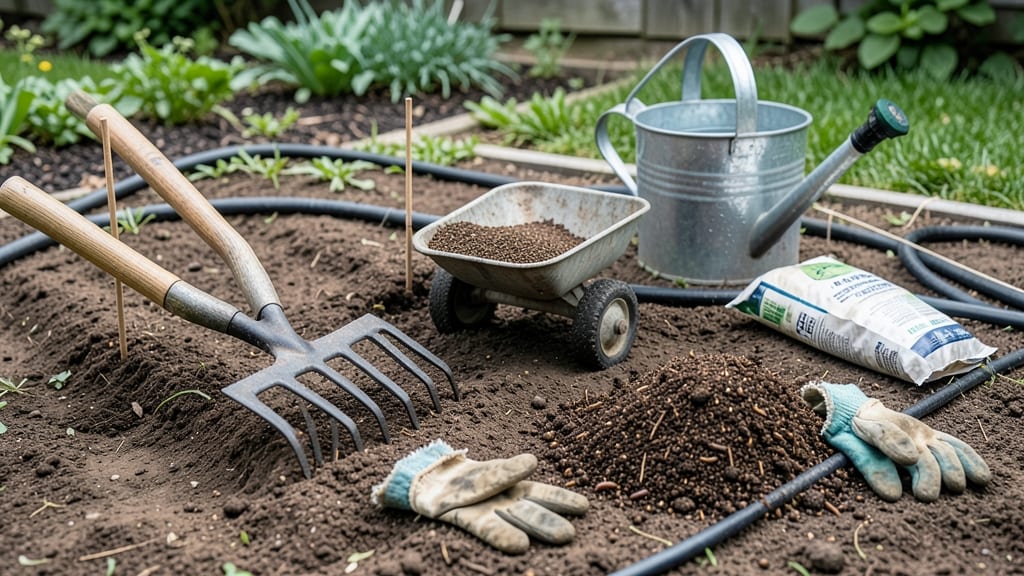
Autumn lawn seed sowing gives you a head start on next spring’s lush carpet—cooler temps and steady rain mean faster germination and fewer weeds. 🌱 I’ve seeded in fall for years, and the difference in spring growth is shocking.
While summer’s heat stresses seedlings, autumn’s mild conditions let them establish strong roots before winter. The secret starts with soil: test your pH, loosen compacted areas, and mix in compost. Skip the urge to sow too late—aim for 4-6 weeks before your first frost.
Cool-season grasses like fescue and ryegrass thrive in this window, while warm-season types need spring planting. A simple broadcast spreader or hand-sowing works; just don’t bury the seed too deep. By spring, you’ll see thicker, greener grass with fewer bare patches.
Water lightly twice daily for the first week, then taper off as roots grow. A light mulch of straw protects seedlings from frost while keeping moisture in. The payoff? A lawn that outshines neighbors who wait until spring.
Works for most climates, but adjust timing: Northern Hemisphere sows September-October; Southern Hemisphere targets March-April. Avoid sowing when frost is forecasted—seedlings need consistent moisture, not ice. Here’s how to nail it every time.
📚 In This Guide
- What you need
- Instructions
- Tips and common mistakes
- Wrapping up and next steps
What you need
- ● Lawn seed: Choose a cool-season blend (e.g., Kentucky bluegrass, fescue, or ryegrass). Quantity: 4–8 lbs per 1,000 sq ft (check the seed bag for exact coverage rates).
- ○ Soil test kit: Ensures your soil’s pH (ideal: 6.0–7.0) and nutrient levels are lawn-ready. Optional but recommended!
- ● Rake: A bow rake (for leveling) and a garden rake (for seed-to-soil contact).
- ● Lawn roller: A 100–150 lb manual roller to firm seed into the soil (rent or buy).
- ● Starter fertilizer: High in phosphorus (P) (e.g., 10-20-10 ratio). Apply: ½ lb per 100 sq ft.
- ● Water source: Hose with a sprinkler head or garden hose nozzle (fine mist setting).
- ● Mulch or straw: Lightweight straw (½ inch thick) to protect seeds from birds and wind.
- ● Seed spreader: A broadcast or drop spreader for even coverage (saves time and effort!).
- ● Soil conditioner: Compost or peat moss (1–2 inches) for sandy or poor soil.
- ● Erosion control blanket: For sloped areas to prevent seed washout.
- ● Weed barrier fabric: If your lawn has stubborn weeds (lay down before seeding).
- ● Weatherproof seed: Pelletized seed for easier handling in windy conditions.
Step-by-Step instructions for sowing lawn seed in autumn
Autumn’s cooler temperatures and consistent moisture create perfect conditions for establishing a lush lawn—here’s how to capitalize on nature’s advantage.
🌱 Step 1: Prepare the Soil for Optimal Seed Contact
Rake the existing lawn or soil surface until it’s smooth and free of debris, creating a fine, crumbly texture. You want the seed to make direct contact with the soil—this ensures even germination. Use a stiff-bristled rake to break up any compacted areas, especially if your soil feels hard when pressed. For bare spots, loosen the top 2-3 inches of soil to help roots penetrate easily.
If your soil is particularly rocky or compacted, consider renting a core aerator to create small holes. This step is critical in autumn because cooler temperatures slow root growth, so you need to give those seeds the best possible start. Test the soil pH—ideal for cool-season grasses is 6.0-7.0. If yours is outside this range, add lime or sulfur as needed before sowing.
💧 Step 2: Spread Seed Evenly and Lightly
Divide your seed into four equal portions—this makes spreading easier and ensures even coverage. Walk in opposite directions (north-south, then east-west) to avoid overlapping patterns. Use a broadcast spreader for large areas or a hand spreader for smaller sections. Aim for 5-8 pounds of seed per 1,000 square feet, depending on your grass type—check the seed packet for exact rates.
Lightly rake the seed into the soil with a leaf rake, pressing it just enough to make contact without burying it. If you bury seed too deeply, it won’t have the energy to push through the soil. For slopes, sow perpendicular to the grade to prevent seed from washing away during watering. A light layer of straw mulch (¼ inch thick) helps retain moisture and protect seeds from birds.
☀️ Step 3: Water Gently and Consistently
Water immediately after sowing to settle the seed into the soil. Use a fine mist setting on your sprinkler or a gentle watering wand to avoid dislodging seeds. Keep the soil surface moist—not soggy—for the first 10-14 days. You’ll know you’re doing it right if the top inch of soil stays damp but doesn’t form puddles. Water twice daily (morning and evening) for the first week, then taper to once daily as germination progresses.
Autumn’s cooler air means evaporation is slower, so you won’t need to water as frequently as in summer. However, avoid letting the soil dry out completely—new seedlings need consistent moisture to establish roots. If rain is forecast, reduce watering slightly to prevent seed erosion. Once the grass reaches 2-3 inches tall, you can gradually reduce watering to encourage deeper root growth.
✂️ Step 4: Maintain and Monitor for Germination
Watch for the first signs of germination in 7-21 days, depending on your grass type and weather conditions. Cool-season grasses like fescue and ryegrass typically sprout faster in autumn’s mild temperatures. Once you see 50% germination, reduce watering slightly to prevent disease. Thin seedlings by mowing when they reach 3-4 inches tall—set your mower blade to 2.5 inches for the first cut to avoid scalping.
Fertilize lightly with a starter fertilizer (high in phosphorus) once the grass is 1-2 inches tall. Avoid heavy nitrogen applications early on—you want roots to develop before encouraging top growth. Keep foot traffic to a minimum for the first 4-6 weeks to protect tender seedlings. If weeds sprout, pull them by hand immediately—they’ll compete with your grass for nutrients and light.
Tips & tricks for perfect autumn lawn establishment
Autumn’s window for lawn success is narrow—here’s how to maximize your chances of a thick, resilient lawn that thrives through winter.
Soil Prep Precision: The 2-3 inch loosening in Step 1 isn't just about breaking up soil—it's about creating an oxygen-rich environment that roots desperately need in cooler weather. Use a garden fork instead of a tiller for compacted areas; it creates vertical slices that roots can easily navigate. I've seen lawns fail because the soil was loosened too deeply (4+ inches) which dries out faster in autumn's drying winds. Think of it like fluffing a pillow—just enough to create space without overdoing it.
Seed Distribution Strategy: That four-portion division in Step 2 works because it forces you to walk in patterns, not randomly. For slopes, consider sowing in horizontal stripes—this prevents seed from washing downhill during watering. I once watched a neighbor's seed pool at the bottom of a slope because they sowed vertically; their lawn looked like a striped shirt. Also, if you're using multiple grass types, divide each type into separate portions to maintain proper ratios.
Watering Science: The 10-14 day moist-but-not-soggy window in Step 3 is your critical period. Use a moisture meter (they're cheap!) to check the top inch of soil—it should read between 40-60% moisture. Early mornings are best for watering because autumn evenings can bring dew, and you don't want seeds sitting in moisture overnight. Pro tip: If you're using a sprinkler, run it for 10 minutes and check for even coverage—you'll often find dry spots that need attention.
Germination Timeline: Those 7-21 days in Step 4 can feel like an eternity, but cooler autumn temperatures actually slow down germination compared to spring. Mark your calendar when you sow—if you don't see sprouts by day 21, check for these common issues: soil too dry, seeds buried too deeply, or (ironically) watering too heavily which can suffocate seeds. I've had years where germination took 28 days because we had unseasonably cool weather, but the resulting lawn was more drought-resistant.
Pro Tips for Sowing Lawn Seed In Autumn
- Autumn’s window for lawn success is narrow—here’s how to maximize your chances of a thick, resilient lawn that thrives through winter.
- Soil Prep Precision: The 2-3 inch loosening in Step 1 isn't just about breaking up soil—it's about creating an oxygen-rich environment that roots desperately need in cooler weather.
- Seed Distribution Strategy: That four-portion division in Step 2 works because it forces you to walk in patterns, not randomly.
Frequently asked questions
Got questions about autumn lawn seeding? You’re not alone! Here are answers to the most common concerns to help you get started with confidence.
When is the exact best time to sow lawn seed in autumn?
The ideal window is 4–6 weeks before your first hard frost—typically mid-to-late September in most U.S. regions. Cool nights (50–65°F) and warm days (60–75°F) create perfect germination conditions. Check your local frost dates for precision!
Can I sow lawn seed in autumn if I already have grass?
Autumn is a great time for overseeding to fill thin spots or boost lawn density. Just mow your existing grass short (1–1.5 inches), rake the area, and spread seed evenly. Water lightly to keep soil moist until sprouts appear (usually 7–21 days).
What if my soil is too hard or compacted for seeding?
Loosen the top 2–3 inches of soil with a rake or aerator before sowing. Compacted soil can block seed-to-soil contact, slowing germination. For tough spots, rent a core aerator or use a garden fork to poke holes. Lightly scratch the seed into the soil to ensure good coverage.
How often should I water newly sown autumn lawn seed?
Keep the soil consistently moist (not soggy!) for the first 2–3 weeks. Water lightly twice daily (morning and evening) for 5–10 minutes per session. Once seedlings are 2–3 inches tall, reduce to 1 inch of water per week, including rainfall.
What if weeds pop up before my grass grows?
Don’t panic! Weeds are normal, but you can minimize them by using pre-emergent herbicide after seeding (once grass is 3+ inches tall) or hand-pulling them carefully. For organic control, apply a thin layer of mulch (like straw) to suppress weeds while protecting young grass.
Can I use last year’s leftover lawn seed for autumn planting?
Check the seed packet for a viability date (usually 1–2 years from production). If stored in a cool, dry place, leftover seed may still work, but germination rates drop over time. For best results, use fresh seed with a 90%+ germination rate listed on the label.
Wrapping up and next steps
Autumn is the perfect time to sow lawn seed—cool temperatures and reduced weeds create ideal conditions for a lush, resilient lawn.
By following these steps—from soil prep to proper watering—you’ll set the stage for a stunning spring and summer yard. Don’t wait! Grab your seed, roll up your sleeves, and give your lawn the head start it deserves.
🌱 Next step: Mark your calendar for early autumn (late September to early November) and gather your supplies. Ready to transform your patchy lawn into a green masterpiece? Let’s get growing! 🌱