
Lawn
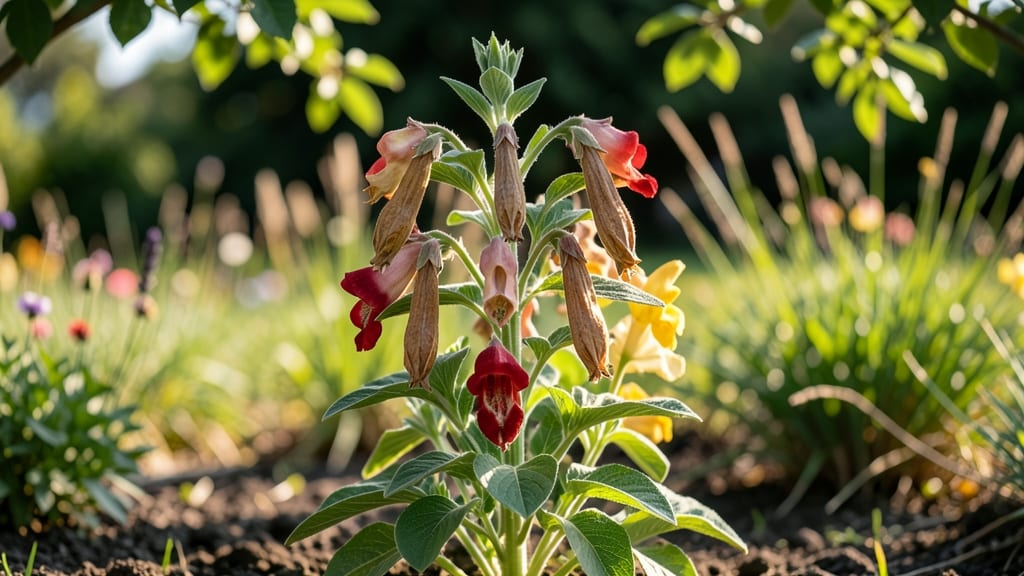
Harvesting snapdragon seed pods doesn’t have to be a frustrating twist-and-pull battle. 🌸 The secret lies in knowing exactly when to collect them—before they burst open on their own—and using the right drying techniques to preserve those tiny seeds for next year’s garden.
Most gardeners miss the window because they wait too long, ending up with scattered seeds everywhere. But when you spot those dry, papery pods turning brown and starting to split, that’s your cue to act fast.
A simple paper bag over the stems for a few days captures every last seed without the mess. Once dried, you’ll have plump, viable seeds ready for storage. These little powerhouses keep well for years, letting you grow your favorite snapdragon varieties without buying new ones.
The process is simpler than you think—and it saves you money while keeping your garden sustainable. Best of all, this method works for both heirloom and hybrid snapdragons, though hybrids might not grow true to type.
Start small, and soon you’ll be sharing seeds with fellow gardeners or expanding your own colorful displays.
📚 In This Guide
- What you need
- Instructions
- Tips and common mistakes
- Wrapping up and next steps
What you need
- ● Snapdragon plants (mature, with fully developed seed pods—look for brown, dry pods!).
- ● Pruning shears or sharp scissors (sterilized to avoid disease spread).
- ● Paper bags or breathable fabric sacks (1–2 per plant; 8x10 inches works well).
- ● Gloves (gardening gloves to protect hands from thorns or rough stems).
- ● Labeling tags or markers (to note plant varieties if saving seeds).
- ● Tray or flat surface (for drying pods indoors, if needed).
- ● Seed envelope kit (for long-term seed storage).
- ● Desiccant packets (to keep pods dry during storage).
- ● Magnifying glass (for inspecting pods for pests or damage).
- ● Spray bottle with water (to gently clean pods if dirty).
- ● Notebook (to log harvest dates or plant traits).
Step-by-Step guide to harvesting snapdragon seed pods
Here's how to collect snapdragon seeds without the frustrating twist-and-pull battle.
🌿 Step 1: Identify Mature Seed Pods
Wait until seed pods turn a dull brown color and feel slightly papery to the touch—that's your signal they're ready. Snapdragons produce long, slender pods that start green and gradually dry out. I always check pods on warm, dry mornings when humidity is lowest, making them easier to handle.
Gently squeeze a pod between your fingers—if it crumbles easily and releases tiny black seeds, it's harvest-ready. Avoid pods that are still green or have a waxy sheen, as they won't yield viable seeds. I like to harvest pods from multiple plants to ensure genetic diversity in my next batch.
✂️ Step 2: Harvest Pods Without Damaging Plants
Use clean, sharp scissors to snip pods at the base where they meet the stem. This prevents tearing and keeps the plant looking tidy. I cut pods when they're completely dry but before they split open naturally—this gives me control over the process and prevents seed loss to birds or wind.
Place harvested pods in a paper bag (not plastic) to allow airflow while they finish drying. Hang the bag upside down in a warm, dry spot out of direct sunlight. This mimics natural drying conditions and prevents mold growth. I've found that pods dry fully within 3-5 days when stored this way.
🪴 Step 3: Extract Seeds from Dried Pods
Once pods are completely dry, gently crush them between your palms over the paper bag. The pods will shatter easily, releasing tiny black seeds. I like to do this outside or over a tray to contain any seed spillage. Avoid using your hands directly if you're harvesting large quantities—it's easier on your fingers to use a small wooden spoon to tap pods instead.
After extracting, sift the seeds through a fine mesh strainer to remove pod debris. Store seeds in a small envelope labeled with the variety name and harvest date. Keep them in a cool, dark place—I use a sealed jar in my refrigerator—to maintain viability for up to 2 years.
⏰ Step 4: Clean and Store Seeds Properly
For extra clean seeds, spread them on a clean sheet of white paper and gently shake the paper to let any remaining chaff blow away. This simple method works surprisingly well in a breezy spot. I always test a few seeds by placing them on damp paper towel to check germination—if they sprout within 5-7 days, the batch is viable.
Label your seed packets clearly with the variety name and harvest year. I include notes about flower color and plant height to help me remember which varieties performed best. Store seeds in an airtight container with a silica gel packet to absorb excess moisture and prevent mold.
Tips & tricks for perfect snapdragon seed harvesting
Real talk: Harvesting snapdragon seeds doesn't have to be a battle. These simple tricks will make the process smoother and more rewarding.
Timing is Everything: The 3-5 day drying period mentioned in Step 2 is your best friend. I've learned the hard way that rushing this step leads to moldy pods or seeds that won't germinate. Place your paper bag in a spot with good airflow—like a mesh laundry bag hung in a breezy kitchen—but keep it out of direct sunlight. Too much light can actually degrade seed viability over time. Think of it like patiently waiting for your favorite tea to steep.
Harvesting Hack: When you're ready to extract seeds in Step 3, try this: Place your dried pods in a clean pillowcase instead of using your hands. Close the top tightly and gently shake or roll the pillowcase on a hard surface. The pods will shatter against the fabric, releasing seeds while keeping your hands clean and your fingers safe from sharp pod edges. This method works especially well for large batches where hand-crushing becomes tedious.
Storage Wisdom: That 2-year viability claim in Step 4 is accurate—but only if you store seeds properly. After labeling your envelope with variety name and harvest date, add a small packet of uncooked rice to absorb any moisture that might sneak in. I also recommend writing the germination test date on the envelope so you'll remember to check viability every year. Pro tip: Store seeds in the refrigerator's crisper drawer where temperatures stay consistently cool and humidity is controlled.
Pro Tips for Snapdragon Seed Pods
- Real talk: Harvesting snapdragon seeds doesn't have to be a battle.
- Timing is Everything: The 3-5 day drying period mentioned in Step 2 is your best friend.
- Harvesting Hack: When you're ready to extract seeds in Step 3, try this: Place your dried pods in a clean pillowcase instead of using your hands.
Frequently asked questions
Got questions about harvesting snapdragon seed pods? You’re not alone! Here are some of the most common concerns—plus quick, no-fuss solutions to keep your gardening game smooth.
When are snapdragon seed pods ready to harvest?
Seed pods mature when they turn dry and papery, usually 6–8 weeks after flowering. Gently squeeze a pod—if it crumbles easily, it’s ready! Harvest on a dry day to avoid moisture issues. Pro tip: Use sharp scissors or pruners to snip stems cleanly, leaving the plant intact for future blooms.
How long do snapdragon seed pods take to dry indoors?
If pods aren’t fully dry outdoors, hang them upside-down in a paper bag with a rubber band for 1–2 weeks in a warm, dry spot (like a closet). Stir the bag occasionally to speed up drying. Avoid direct sunlight—it can overheat the pods and ruin seeds.
Can I save seeds from hybrid snapdragons?
Hybrid snapdragons (like ‘Matrix’ or ‘Rocket’) may not grow true to type, but you can still try! Collect seeds and plant them—results might vary, but you could discover fun surprises. For consistent blooms, stick to heirloom varieties labeled “open-pollinated.”
What if my seed pods are getting eaten by pests?
Squash bugs, aphids, or slugs love snapdragon pods. Act fast: Handpick pests, use row covers, or spray neem oil. For slugs, set out beer traps or diatomaceous earth around the base. Prevention tip: Harvest pods early if pests are a recurring issue!
How should I store snapdragon seeds long-term?
Once fully dry, remove seeds from pods and store them in a cool, dark place (like a sealed jar in the fridge or freezer). Label with the date—most snapdragon seeds stay viable for 2–3 years. Add a silica gel packet to absorb moisture for extra protection.
Wrapping up and next steps
Harvesting snapdragon seed pods doesn’t have to be a tangled mess—with the right tools and techniques, you can collect seeds effortlessly while preserving the beauty of your garden. Whether you’re saving seeds for next year or simply enjoying the process, these tips ensure a smooth, stress-free experience.
Now that you’re equipped with the know-how, why not give it a try? Grab your gloves, head outside, and let the magic of snapdragons unfold—one seed pod at a time! 🌸✨
🌱 Next Step: Share Your Success!
Once you’ve mastered the harvest, share your snapdragon seed-saving wins with fellow gardeners—whether it’s on social media, in a local gardening group, or with a neighbor who loves flowers. Your experience might just inspire someone else to dive into the joy of seed collecting!