
Propagation
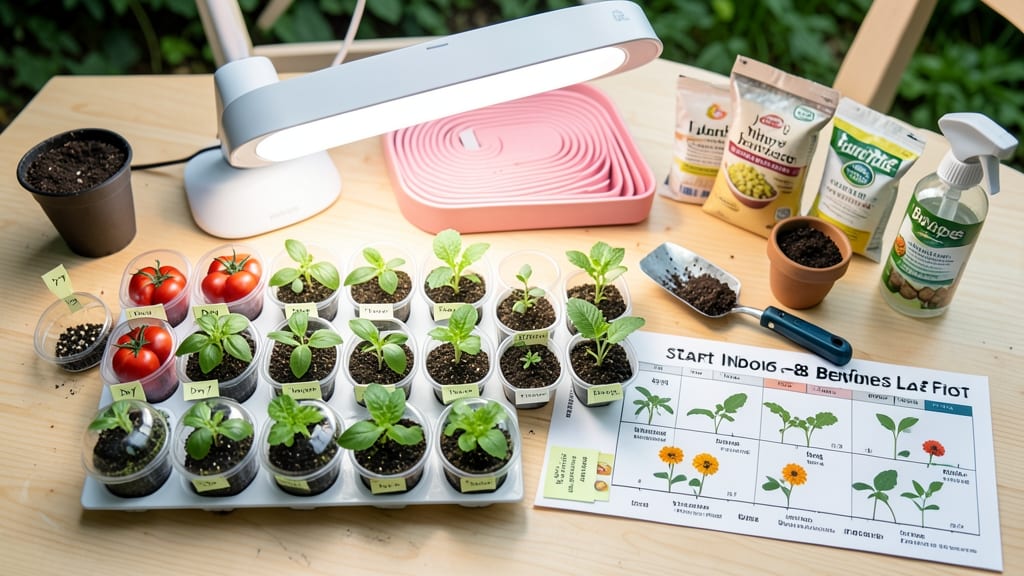
A seed starting chart is your secret weapon for turning wishful thinking into a thriving garden—no more guessing whether to plant your seeds in February or March.
I’ve ruined more seed trays than I’d like to admit by planting too early or too late—until I finally mapped out these month-by-month planting windows based on my zone 6 garden.
The key is working backward from your last frost date, which varies wildly across the country. For example, tomatoes need 8-10 weeks of indoor growing time before transplanting, while lettuce can handle cooler soil and only needs 4-6 weeks.
My chart breaks it down by plant type, so you’re not guessing whether to start basil in February or March.
By following this schedule, you’ll have strong, stocky seedlings ready to hit the garden just as the soil warms up. No more leggy, weak plants that flop in their first week outside—just bold, healthy starts that take off running.
Whether you’re in a cold climate or a mild one, the principles stay the same: adjust the timing based on your local frost dates, and you’ll have a foolproof system for every season.
📚 In This Guide
- What you need
- Instructions
- Tips and common mistakes
- Wrapping up and next steps
What you need
- ● Seed starting trays or pots: 1–2 trays (1020-cell or 72-cell) or 4–6" pots (6–12 units). Opt for biodegradable or plastic with drainage holes.
- ● Seed starting mix: 1–2 bags (1–2 cubic feet). Use a sterile, lightweight mix (e.g., Pro-Mix or FoxFarm). Avoid garden soil—it’s too dense!
- ● Seeds: Purchase fresh, high-quality seeds from trusted suppliers. Check seed packets for cold stratification or scarification needs.
- ● Grow lights or sunny windowsill: A full-spectrum LED grow light (12–16 hrs/day) or a south-facing window (6–8 hrs of sunlight).
- ● Spray bottle: 1 (8–16 oz) with a fine mist nozzle for gentle watering.
- ● Labels & markers: 100+ labels (or a label maker) and a permanent marker to track varieties and dates.
- ○ Heat mat (optional but helpful): 1 (for cool-season seeds like peppers or tomatoes). Aim for 70–85°F soil temps.
- ● Tweezers or seedling pickers: 1 pair for precise planting.
- ● Fertilizer: A balanced liquid fertilizer (e.g., 5-5-5 or fish emulsion) or slow-release granules (follow label rates).
- ● Humidity dome or plastic wrap: 1–2 (to retain moisture for germination).
- ● Thermometer: 1 (soil or air) to monitor conditions.
- ● Pruning shears or scissors: 1 pair for transplanting or trimming.
- ● Gloves: 1 pair (to keep hands clean and protect seeds from oils).
Step-by-Step guide to using a seed starting chart
Here's how to turn a seed starting chart into your foolproof planting calendar.
Determine Your Last Frost Date
Find your local last frost date—this is your anchor point for all seed starting. I always check the USDA Plant Hardiness Zone Map and add 7-10 days to the average date to account for year-to-year variations. Write this date in your gardening journal because every timing decision flows from it.
For example, if your last frost is May 15, you'll work backward from there. This ensures seedlings mature before cold snaps threaten tender young plants. If you're unsure, ask your local extension office—they track microclimates better than generic online tools.
Identify Seed Categories by Days to Maturity
Sort your seeds into three groups based on days to maturity: fast (30-60 days), medium (60-90 days), and slow (90+ days). Fast growers like lettuce or radishes can wait until 4-6 weeks before last frost, while slow growers like tomatoes or peppers need 10-12 weeks of indoor growing time.
Here's the thing—don't eyeball this. Check the back of every seed packet for the "days to maturity" estimate. I keep a spreadsheet with my favorite varieties so I can cross-reference quickly. This step prevents the classic mistake of starting tomatoes too late or rushing fast growers that end up bolting before harvest.
Calculate Indoor Starting Times
Work backward from your last frost date using the seed chart's recommended weeks-to-start column. For slow growers, start 10-12 weeks before last frost. For medium growers, aim for 6-8 weeks, and fast growers can wait until 4-6 weeks before transplanting.
Write these dates in your planner or chart. I like to use colored highlighters—green for fast, yellow for medium, and red for slow—to visualize the timeline at a glance. This visual cue helps me spot conflicts, like trying to fit a 90-day tomato into a 6-week window.
Adjust for Seedling Hardening and Outdoor Conditions
Add 2 weeks to your starting timeline for hardening off seedlings. This gradual acclimation period prevents transplant shock. If you're in a cooler climate, extend this by 5-7 days—cold-sensitive plants like basil need extra time to toughen up.
Also account for 2-3 weeks of outdoor growing before harvest for fast crops. For example, if you're planting lettuce 4 weeks before last frost, it needs 2 more weeks in the ground to mature. This ensures you don't end up with tiny, underdeveloped harvests.
Create a Monthly Planting Schedule
Transfer your calculated start dates to a monthly calendar. I use a large wall calendar with magnetic tabs for each month. Place seeds in 3-4 week intervals to stagger harvests and avoid glut. For example, start a new batch of lettuce every 2 weeks for continuous salad greens.
Don't forget to mark indoor space limitations—if you only have room for 12 seedlings at a time, prioritize your most valuable crops. I always start my heirloom tomatoes and peppers first, then fill remaining space with fast growers. This ensures I don't get overwhelmed and can give each plant the attention it needs.
Tips & tricks for perfect seed starting timelines
These practical strategies will help you avoid common gardening pitfalls and maximize your planting success.
Double-Check Your Frost Date: The last frost date is your gardening north star, but don't rely solely on online averages. I've seen discrepancies of up to two weeks between what websites predict and actual local conditions. Call your county extension office—they track real-time data and can adjust your timeline by those critical 7-10 days mentioned in Step 1. For example, if the average is May 15 but your local office reports a 10-year trend of May 22, work backward from that more accurate date.
Visual Timeline System: The colored highlighter trick from Step 3 works wonders, but here's the secret: pair it with actual seed packets. Place each seed packet next to its corresponding color-coded date on your chart. When it's time to start seeds, you'll see the entire process at a glance—no more scrambling to find that one tomato packet buried in your junk drawer. I also add small sticky notes with "start" and "transplant" dates directly on the packets themselves.
Climate Adjustments: Step 4 mentions cooler climates needing extra hardening time, but what about heat? In hot regions, reduce hardening time by 3-5 days since seedlings acclimate faster to warm conditions. The key is watching the seedlings themselves: if they're already tough and dark green after 10 days, they're ready. For cold-sensitive plants like basil, I've found that adding a small fan for 15 minutes daily during hardening helps toughen stems faster than just moving them outdoors.
Pro Tips for Seed Starting Chart
- These practical strategies will help you avoid common gardening pitfalls and maximize your planting success.
- Double-Check Your Frost Date: The last frost date is your gardening north star, but don't rely solely on online averages.
- Visual Timeline System: The colored highlighter trick from Step 3 works wonders, but here's the secret: pair it with actual seed packets.
Frequently asked questions
about seed starting can help you avoid common pitfalls and fine-tune your timing. Here are some of the most common queries—plus quick answers to keep your garden thriving!When should I start seeds indoors vs. outdoors?
Use your seed starting chart as a guide! Most cool-season crops (like lettuce or peas) can go straight into the ground early spring, while warm-season plants (tomatoes, peppers) need a 6–8 week indoor head start. Check your last frost date—seeds should be ready to transplant 2–3 weeks before it arrives!
What if I miss the ideal starting window?
Don’t panic! Some seeds (like beans or radishes) tolerate direct sowing later. For others, opt for slow-growing varieties or extend the season with row covers. If you’re late, try transplanting seedlings (like herbs or kale) from a nursery instead.
How do I adjust for my climate zone?
Climate zones shift planting times—check your USDA zone (or local extension office) for adjustments. For example, Zone 5 gardeners may start tomatoes 4–6 weeks earlier than Zone 9. Use a seed starting chart with zone-specific timelines to avoid frost surprises!
Can I reuse seed-starting containers or soil?
Reuse containers (like plastic cells or yogurt cups) after sterilizing with a 10% bleach solution or boiling water. Soil? Nope! Old soil harbors diseases. Compost it or replace it with fresh, sterile seed-starting mix each year for best results.
Why are my seedlings leggy or weak?
Leggy seedlings usually mean not enough light or overcrowding. Move them to a sunny windowsill or under grow lights (12–16 hours/day). Thin seedlings if they’re competing for space—aim for 1–2 inches between plants once true leaves appear.
Wrapping up and next steps
Mastering a seed starting chart is your golden ticket to a thriving garden—no guesswork required! 🌱 By aligning your planting with the perfect timing, you’ll enjoy healthier seedlings, stronger yields, and a head start on the growing season.
Whether you’re a newbie or a seasoned gardener, this month-by-month guide makes success effortless.
Ready to dive in? Grab your calendar, pick your favorite plants, and start sowing with confidence! Next up: Download our free printable seed-starting chart to keep your timeline organized and stress-free.