
Propagation
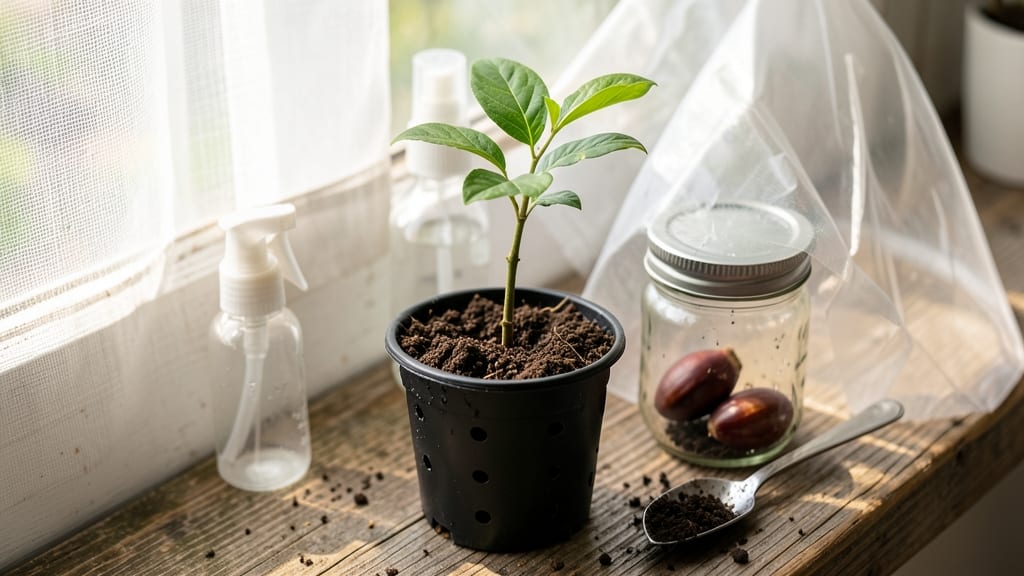
Pomegranate seed propagation turns a grocery store fruit into a thriving plant. 🌱 I’ve sprouted dozens from store-bought seeds—no fancy nursery required—and the key is patience paired with the right conditions.
What starts as a tiny seed becomes a striking shrub with those iconic red flowers in just 60 days if you follow the simple steps. The secret isn’t expensive soil or greenhouse tricks—it’s warmth, moisture, and consistency. You’ll need a shallow tray, damp paper towels, and a sunny windowsill.
Most seeds sprout within 10-14 days, but some take longer, so don’t give up if yours are slow starters. The first leaves look like tiny maple leaves, and once they’ve got two sets, it’s time to plant them in soil.
By summer, you’ll have 3-4 inch seedlings ready to transplant outdoors (or keep indoors if you’re in a cooler zone). The plants may not fruit true to the parent—store-bought seeds often produce wild-type pomegranates—but they’re stunning for their foliage and flowers alone.
Imagine that grocery store pomegranate becoming a 6-foot shrub with vibrant blooms by next spring. This method works for any pomegranate seed, whether from a ruby-red Jewel or a white-hulled variety. The real magic? Watching those first green shoots push through the soil after weeks of waiting.
Here’s exactly how to make it happen without stress.
📚 In This Guide
- What you need
- Instructions
- Tips and common mistakes
- Wrapping up and next steps
What you need
- ● Pomegranate seeds: 10–20 fresh, viable seeds (harvested from a ripe, organic pomegranate—avoid store-bought seeds if they’ve been treated with preservatives).
- ● Well-draining potting mix: 1–2 gallons of a blend designed for seeds or seedlings (e.g., 50% peat moss, 30% perlite, 20% coconut coir). Pro tip: Avoid garden soil—it can compact and suffocate roots!
- ○ Small seed trays or pots: 2–4 shallow containers (3–4 inches deep) with drainage holes. Optional: Use biodegradable peat pots for easy transplanting later.
- ● Spray bottle: For gentle watering (avoid over-saturating the soil).
- ● Plastic wrap or humidity dome: To create a mini greenhouse effect and retain moisture.
- ● Grow lights or sunny windowsill: A warm, bright spot (60–75°F) with at least 6–8 hours of indirect light daily.
- ○ Fertilizer (optional but helpful): A balanced, water-soluble fertilizer (5-5-5 or 10-10-10) diluted to half-strength for seedlings.
- ● Heat mat: Keeps soil warm (70–80°F) to speed up germination (especially useful in cooler climates).
- ● pH test kit: Ideal soil pH for pomegranate seeds is 6.0–7.0. Adjust with lime or sulfur if needed.
- ● Pruning shears: For trimming leggy seedlings later.
- ● Label markers: To track planting dates and varieties (if experimenting with different seeds).
Step-by-step instructions for growing pomegranate trees from seed
Here's how I turn pomegranate seeds into sturdy young trees—no fancy tools, just patience.
🌱 Step 1: Extract and Prepare the Seeds
Start with fresh pomegranate seeds—older seeds lose viability fast. Cut open a ripe fruit and scoop out the seeds, then rinse them thoroughly under cool water to remove any clinging pulp. Spread them on a clean paper towel to dry completely for 24 hours. This prevents rot later.
I like to soak the seeds in lukewarm water for 12 hours before planting. This softens the hard outer coating and speeds up germination. After soaking, drain them well—waterlogged seeds won’t sprout properly. You’ll know they’re ready when they feel slightly plump but not mushy.
🪴 Step 2: Plant Seeds in Containers
Use 4-inch pots filled with a mix of 50% potting soil and 50% perlite for drainage. Plant 2-3 seeds per pot, about ½ inch deep—deeper planting slows germination. Gently press the soil around them so they stay in place but don’t compact it too tightly.
Place the pots in a warm spot (70-75°F) with bright, indirect light. A seedling heat mat helps if your home runs cooler. Keep the soil evenly moist but never soggy—stick your finger in to check. Seeds should sprout in 14-21 days. If you see mold, reduce watering immediately.
☀️ Step 3: Provide Light and Care for Germination
Once sprouts appear, move them to a south-facing window or under grow lights for 14-16 hours daily. Pomegranate seedlings need strong light to avoid leggy growth. You’ll know they’re getting enough when the leaves stay dark green and compact.
Water when the top inch of soil feels dry. Overwatering is the #1 killer—yellowing leaves mean you’re watering too much. After 4-6 weeks, when seedlings have 2-3 sets of true leaves, thin to the strongest one per pot. Snip the others at the base with clean scissors.
✂️ Step 4: Transplant and Harden Off
After 8-10 weeks, when seedlings are 6-8 inches tall, transplant them into 1-gallon pots with fresh potting mix. Handle the roots gently—pomegranates hate root disturbance. Water deeply after transplanting to help them settle in.
Start hardening off 2 weeks before outdoor planting. Place seedlings outside in partial shade for 1-2 hours the first day, then gradually increase time and sun exposure. By day 10, they should handle full sun for a full day. This prepares them for the garden or larger container.
🌿 Step 5: Maintain Young Trees
Keep pomegranates in full sun and water deeply 2-3 times weekly during dry spells. They’re drought-tolerant once established, but young trees need consistent moisture. Fertilize lightly with balanced 10-10-10 every 6 weeks in growing season.
Prune leggy growth to encourage bushier shape. Pinch back tips when they’re 12 inches tall to promote branching. With patience, your seedlings will bear fruit in 3-5 years—though it’s a long game, the reward is worth it.
Tips & tricks for perfect pomegranate seed propagation
Here's what nobody tells you about growing pomegranate trees from seed—these tricks make all the difference when you're waiting for those first sprouts.
Seed Selection: The freshest seeds make all the difference. I've learned this the hard way—using seeds from a fruit that's been sitting in the fridge for weeks often results in no germination at all. Always use seeds from a fully ripe pomegranate that's been at room temperature for at least 24 hours before opening. The seeds should feel firm and plump, not shriveled or dry.
Soaking Strategy: That 12-hour lukewarm water soak isn't just optional—it's crucial for breaking the seed's hard outer shell. I've found that using a glass of water with a pinch of cinnamon (a natural antifungal) during soaking prevents any potential mold issues. After soaking, give the seeds a quick rinse and let them sit on a paper towel for 30 minutes before planting. This extra drying step prevents waterlogged soil in your pots.
Lighting Secrets: While a south-facing window works, I've had better success with a combination of natural light and a simple LED grow light. Position the light about 6 inches above the seedlings for those crucial 14-16 hours daily. The key is to keep the light moving as the seedlings grow—raise it gradually to prevent leggy growth. You'll know you're doing it right when the leaves stay compact and dark green, not stretched and pale.
Hardening Off Hack: The 2-week hardening off period is your chance to prepare seedlings for outdoor life. I've found that starting with just 1-2 hours in partial shade on day one, then gradually increasing exposure, works wonders. By day 10, when they're ready for full sun, I'll often leave them outside all day but bring them back in if nighttime temperatures drop below 50°F. This gradual approach prevents shock that could stunt their growth.
Pro Tips for Pomegranate Seed Propagation
- Here's what nobody tells you about growing pomegranate trees from seed—these tricks make all the difference when you're waiting for those first sprouts.
- Seed Selection: The freshest seeds make all the difference.
- Soaking Strategy: That 12-hour lukewarm water soak isn't just optional—it's crucial for breaking the seed's hard outer shell.
Frequently asked questions
Got questions about growing pomegranates from seed? You’re not alone! Here are answers to the most common concerns—so you can propagate with confidence.
How long does it take for pomegranate seeds to sprout?
Patience is key! Most pomegranate seeds sprout within 2–4 weeks under ideal conditions (warmth, moisture, and indirect light). Some stubborn seeds may take up to 60 days—so don’t toss them until you’ve waited at least 8 weeks. Keep the soil consistently damp (not soggy) to encourage germination.
Can I plant pomegranate seeds outdoors directly?
Not yet! Seeds need a warm, protected environment to germinate. Start indoors in biodegradable pots or a seed tray with a heat mat (70–80°F) for best results. Once seedlings are 4–6 inches tall and the last frost has passed, transplant them outdoors in well-draining soil with full sun.
What if my pomegranate seeds won’t germinate?
Try these fixes:
- Soak seeds overnight in warm water to soften hard coats.
- Use a seedling heat mat (or place pots on top of a fridge) to mimic tropical warmth.
- Check for rot—overwatering is a common killer. Let soil dry slightly between waterings.
- Consider stratification: Chill seeds in a damp paper towel in the fridge for 1–2 weeks before replanting.
How do I care for pomegranate seedlings?
Once sprouted, keep seedlings in bright, indirect light (no direct sun yet!). Water when the top inch of soil is dry, and fertilize lightly with a balanced 10-10-10 mix every 4–6 weeks. Harden off seedlings by gradually exposing them to outdoor conditions for 1–2 weeks before transplanting.
Can I grow pomegranates from seed in cold climates?
Yes, but with extra effort! Pomegranates thrive in USDA Zones 7–11, but you can grow them in colder areas by:
- Starting seeds indoors 8–10 weeks before last frost.
- Planting in containers and moving them indoors during winter.
- Choosing cold-hardy varieties like ‘Wonderful’ or ‘Eversweet.’
Wrapping up and next steps
Growing a pomegranate tree from seed is a rewarding journey that connects you to nature’s bounty—and yes, it’s totally doable! 🌱 With patience, the right tools, and a little care, you’ll watch those tiny seeds transform into a thriving plant in just 60 days.
Whether you’re a green thumb or a curious beginner, this method proves that propagation can be both simple and magical.
Now that you’re armed with the know-how, take the next step: grab those seeds, follow the steps, and nurture your future pomegranate tree. Share your progress with fellow gardeners—you might just inspire someone else to try! 🌟