
Lawn
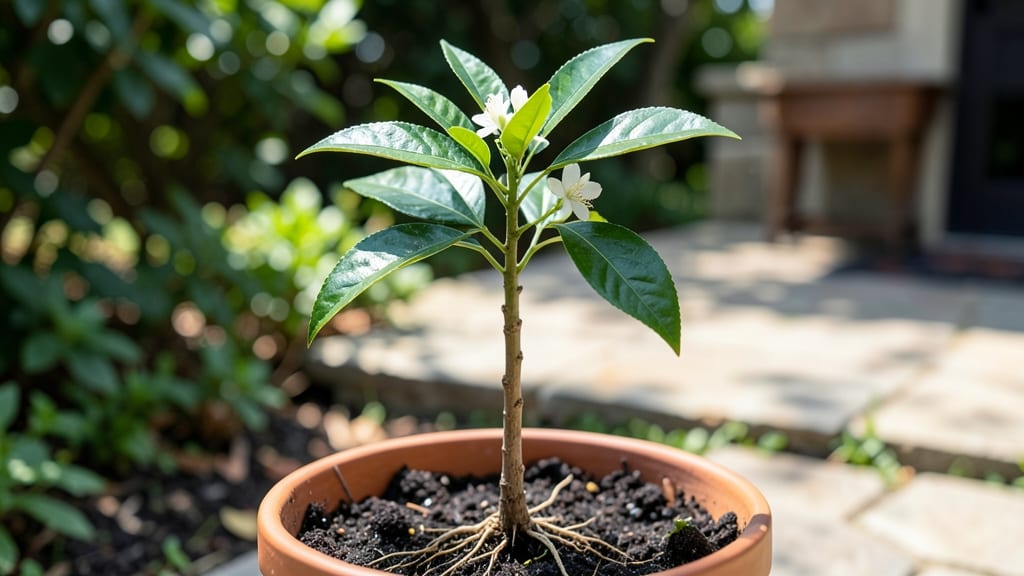
Watching orange seed growth feels like waiting for a slow-motion miracle—most seeds won’t sprout without a little prep work first. ✨ Before you even think about planting, you need to check if those tiny seeds are viable, because dead seeds mean wasted time and energy.
The good news? A simple water test reveals everything you need to know in just 24 hours.
Start by gathering a few supplies: a bowl of water, some paper towels, and a plastic bag with a twist tie. Place your orange seeds in the bowl of water and let them soak overnight.
If they float, they’re not worth planting—viable seeds will sink to the bottom. This quick test saves you from months of frustration with seeds that never sprout.
Once you’ve confirmed your seeds are good to go, it’s time to plant. Fill small pots with well-draining soil and bury each seed about ½ inch deep. Keep the soil consistently moist but not soggy, and place the pots in a warm spot with bright, indirect light.
Germination can take 2-4 weeks, so patience is key—just like waiting for a citrus tree to mature.
Here’s where most beginners trip up: mold, rot, or slow germination. If your soil stays too wet, toss it and start fresh with a new pot. For speedier results, try a bottom heat mat—it mimics tropical conditions and can cut germination time in half.
And remember, these seeds grow into ornamental trees, not fruit-bearing ones, so don’t expect juicy oranges anytime soon.
📚 In This Guide
- What you need
- Instructions
- Tips and common mistakes
- Wrapping up and next steps
What you need
- ● Fresh orange seeds: 5–10 seeds (preferably from a ripe, organic orange for best results).
- ● Paper towels or coffee filters: 2–3 sheets (for moisture control).
- ● Plastic bag or airtight container: A resealable bag (quart-sized) or a small Tupperware.
- ● Water: Room-temperature, distilled or tap water (avoid chlorinated water if possible).
- ○ Notebook & pen: For tracking seed progress (optional but helpful!).
- ● Spray bottle: For gentle hydration if seeds dry out.
- ● Ruler or measuring tape: To monitor seed growth over time.
- ● Small plastic tray or egg carton: For organizing seeds during the viability test.
- ● Food-safe sealant (like beeswax): For long-term seed storage after testing.
How to test orange seeds for viability before planting
Skip the guesswork—this simple method tells you which seeds will sprout in minutes.
💧 Step 1: Prepare the Water and Seed Test
Fill a small glass or bowl with room-temperature water—just enough to cover the bottom by about ½ inch. I like to use a shallow dish so the seeds stay visible. Place the glass on a flat surface where you can observe it easily over the next few hours.
Gently drop 4-6 orange seeds into the water—no need to soak them all at once. The seeds will naturally float or sink based on their viability. Here's the thing—healthy seeds will sink quickly, while hollow or damaged ones stay afloat. This works because viable seeds are denser due to their stored nutrients.
⏰ Step 2: Wait and Observe for 15-30 Minutes
Let the seeds sit undisturbed for 15-30 minutes. You'll see a clear separation: the good seeds sink to the bottom, while the bad ones remain floating. Don't rush this—some seeds take longer to settle, especially if they're freshly harvested. I always set a timer so I don't accidentally walk away and forget.
Watch for any seeds that start to swell slightly—they're absorbing water and preparing to germinate. If a seed stays floating after 30 minutes, it's not worth planting. You'll know you're on the right track when at least 50% of your seeds sink within that time frame.
🌱 Step 3: Plant Only the Sunk Seeds
Carefully remove the floating seeds with a spoon or your fingers—discard them or compost them. The sunk seeds are your winners. To plant, wrap each viable seed in a damp paper towel or place it between two layers of damp paper towel. Fold the towel and place it in a sealed plastic bag (like a ziplock) to retain moisture.
Store the bag in a warm spot, like on top of your fridge or near a sunny window. You'll see germination in 7-14 days if conditions are right. The seeds will sprout when they've absorbed enough moisture and warmth to break through their outer shell. This method ensures you're not wasting time or energy on seeds that won't grow.
☀️ Step 4: Prepare for Transplanting Sprouted Seeds
Once the seeds sprout, you'll notice tiny white roots emerging first, followed by a small shoot. This is your cue to prepare small pots or a seed tray with well-draining soil. I use biodegradable peat pots because they make transplanting easier later on. Fill the pots with a mix of potting soil and perlite to improve drainage.
Plant each sprout about ½ inch deep in its own pot. Water gently but thoroughly, ensuring the soil is moist but not soggy. Place the pots in a warm, bright spot—like a south-facing windowsill or under a grow light. You'll see the first true leaves appear in 2-3 weeks, signaling that your seedlings are ready to grow into healthy orange trees.
Tips & tricks for stress-free orange seed testing
Here's how to make this quick viability test even more reliable—and save yourself from planting dud seeds.
Timing Secret: The 15-30 minute window in Step 2 might seem short, but it's perfect for catching early signs of viability. If you're testing seeds from older fruit, give them the full 30 minutes—sometimes they need that extra time to settle. I've seen seeds that took 25 minutes to sink when they were on the older side. Set a timer so you don't accidentally walk away and miss the moment when they start to separate.
Visual Cue for Viability: Look for subtle swelling in the sunk seeds during Step 2—that's your signal they're absorbing water and preparing to germinate. If you see any seeds starting to plump up slightly while others stay flat, those are your best candidates. This swelling happens within those 15-30 minutes, so keep an eye on them. You'll notice the good seeds look slightly more plump and firm compared to the floating ones.
Equipment Upgrade: While any shallow dish works for Step 1, I've found that using a clear glass bowl makes it much easier to see the separation between floating and sunk seeds. The clear sides let you observe from all angles without disturbing the seeds. You can also use a white plate to create better contrast if you're testing many seeds at once—it makes the color differences more obvious.
Germination Hack: In Step 3, when you're preparing the damp paper towel method, add a drop of plain yogurt to each bag before sealing. The natural bacteria in yogurt can help prevent mold from forming while the seeds germinate. I've used this trick with citrus seeds and never had mold issues. Just make sure to use plain, unsweetened yogurt—flavored varieties can introduce sugars that might affect germination.
Pro Tips for Orange Seed Growth
- Here's how to make this quick viability test even more reliable—and save yourself from planting dud seeds.
- Timing Secret: The 15-30 minute window in Step 2 might seem short, but it's perfect for catching early signs of viability.
- Visual Cue for Viability: Look for subtle swelling in the sunk seeds during Step 2—that's your signal they're absorbing water and preparing to germinate.
Frequently asked questions
Got questions about growing orange seeds or checking their viability? You're not alone! Here are some of the most common concerns—and straightforward answers—to help you navigate the process with confidence.
How do I know if an orange seed is still viable before planting?
Test viability with the float test: Place seeds in a glass of water. Viable seeds sink within 10–15 minutes (they’re heavy with stored energy!), while hollow or dead ones float. For extra accuracy, try the paper towel method: Moisten a paper towel, wrap seeds inside, and store in a sealed bag. Germination should appear in 7–14 days if viable.
How long does it take for orange seeds to germinate?
Germination typically takes 2–4 weeks, but patience is key! Warmth (70–80°F) and consistent moisture speed up the process. If you’re growing indoors, place seeds near a sunny window or under grow lights. Outdoor seeds may take longer due to cooler soil temperatures—aim for spring planting after the last frost.
Can I grow orange seeds from store-bought oranges?
Store-bought oranges work just fine—just ensure they’re fresh and organic (if you’re concerned about pesticides). Wash the fruit thoroughly, scoop out the seeds, and rinse them to remove pulp. Pro tip: Avoid hybrid oranges (like clementines), as they may not grow true to type. Navel or Valencia oranges are your best bets for reliable seedlings!
What’s the best way to dry orange seeds for long-term storage?
After viability testing, let seeds air-dry on a paper towel for 3–5 days in a warm, shaded spot. Avoid direct sunlight or heat sources, which can crack the seed coat. Once fully dry (no moisture when squeezed), store them in an airtight container with a silica gel packet in a cool, dark place. Properly dried seeds stay viable for 1–2 years.
Why aren’t my orange seeds sprouting? Troubleshooting tips!
If seeds refuse to sprout, check these common culprits:
- Moisture issues: Too much water causes rot; too little stalls germination. Keep soil damp (not soggy).
- Temperature troubles: Seeds need warmth. Use a heating mat if indoor temps dip below 65°F.
- Old seeds: Viability drops after 2 years. Test a few fresh seeds to confirm.
- Poor soil: Use well-draining potting mix or a 50/50 blend of peat moss and perlite.
Still stuck? Try scarifying the seed coat (lightly sanding it) to encourage water absorption.
Wrapping up and next steps
Growing an orange tree from seed is a rewarding journey that starts with a simple viability check—no stress, just patience and care! 🌱 By testing your seeds before drying, you’ll boost your chances of success and enjoy a thriving citrus tree in time.
Whether you’re a gardening newbie or a green thumb, this method keeps things easy and fun.
Ready to take the next step? Plant your viable seeds in well-draining soil, give them sunlight, and watch your little orange sapling grow! Happy gardening—your future tree is waiting! 🌟