
Lawn
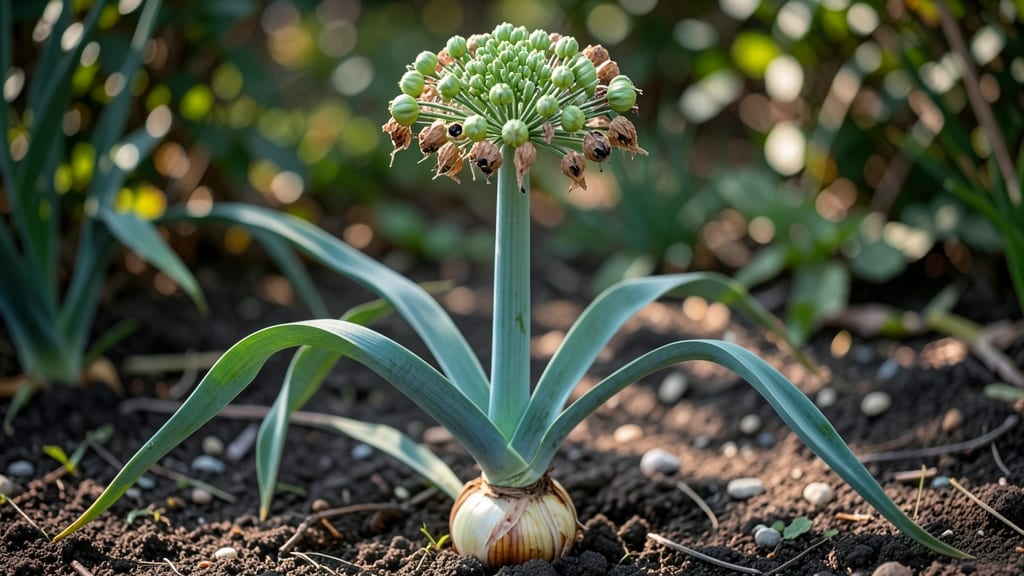
Onion seed pods transform last year's harvest into next year's plants—no store-bought seeds needed. 🌱 I learned the hard way that skipping this step means missing out on heirloom varieties and saving money, but the process is simpler than it seems.
All you need is patience, a dry spot, and a little attention to timing.
The key is knowing when pods are ready: they turn from green to papery brown and rattle when shaken. Collect them before they split open, then spread them in a single layer on newspaper or mesh bags in a well-ventilated area.
Within 2-3 weeks, the seeds will dry completely, ready for storage.
Properly stored in airtight containers, these seeds stay viable for 3-5 years—far longer than many commercial seeds. Plant them in early spring, and you'll have onions thriving just like the ones that produced them, creating a self-sustaining cycle in your garden.
This method works for all onion varieties, from sweet onions to hardnecks, and even saves space by eliminating the need for seed packets. The only challenge? Waiting for pods to mature fully—worth it for the satisfaction of growing from seed you grew yourself.
📚 In This Guide
- What you need
- Instructions
- Tips and common mistakes
- Wrapping up and next steps
What you need
- ● Pro tip: 💡 If you’re harvesting from ornamental onions, wear gloves—some varieties (like Allium cristophii) can stain!
How to harvest onion seed pods without the mess
Here's how I collect onion seeds every year—clean, efficient, and with zero wasted pods.
🌱 Step 1: Let Onions Mature Fully in the Garden
Leave your onion plants in the ground until the tops turn completely brown and crispy. This usually happens 4-6 weeks after flowering, depending on your climate. The pods won't ripen properly if you pull them too soon—you'll know they're ready when they feel dry and papery to the touch.
I resist the urge to harvest early because green pods won't store well. Instead, I mark the plants with stakes when they flower, then wait patiently. If rain is forecast, cover them with a lightweight row cover to prevent premature moisture damage to the drying pods.
☀️ Step 2: Harvest Pods on a Dry, Sunny Day
Choose a day with clear skies and temperatures above 60°F—this ensures pods stay dry during handling. Cut the entire dried stalk at the base with clean shears, then bundle 4-5 stalks together with a rubber band. Hang them upside down in a well-ventilated, dry location like a garage or shed.
Don't rush this step. If pods are still slightly green when you harvest, they'll mold in storage. I always do this in late afternoon so any morning dew has time to evaporate before handling. The stalks should feel completely brittle when you bend them.
✂️ Step 3: Strip and Clean the Seed Pods
Once the stalks are completely dry (7-10 days hanging), strip the pods by hand into a clean bucket. Gently rub your fingers along the stalk to release the pods—this prevents the tiny seeds from scattering. I wear a dust mask because the dried material can be irritating to lungs.
Remove any discolored or damaged pods immediately. Spread the good ones on a clean sheet of newspaper in a single layer and let them air-dry for another 24 hours. This final drying step prevents moisture buildup during storage. Never use a fan—it creates static that makes seeds clump together.
🪴 Step 4: Store Seeds Properly for Next Year
Transfer the completely dry pods to paper envelopes (not plastic bags—moisture will ruin them). Label each envelope with the onion variety and harvest date. Store in a cool, dark place like a pantry or seed drawer. Properly stored onion seeds remain viable for 3-5 years, though germination rates drop after year two.
I test a few seeds each fall by planting them in small pots. If they sprout within 10-14 days, I know my storage conditions are working. The key is maintaining consistent dryness—never store seeds in humid areas like basements unless you have a dehumidifier running.
💧 Step 5: Prepare for Next Year's Planting
In early spring, remove seeds from their pods by gently crushing them between your fingers over a white bowl (the contrast makes it easier to see the tiny black seeds). Sift through the debris to collect only the clean seeds. Plant them ¼ inch deep in well-draining soil, keeping them moist until germination (14-21 days).
Here's the thing—onion seeds are temperamental. If you're starting from scratch, I recommend saving seeds from open-pollinated varieties only. Hybrid onions won't come true from seed, so you'll end up with unpredictable plants. The effort pays off with fresh, organic onions year after year.
Tips & tricks for perfect onion seed pod harvesting
These simple strategies will help you avoid common pitfalls and maximize your seed-saving success every year.
Patience Pays Off: In Step 1, those 4-6 weeks after flowering are crucial—don't rush! I've learned the hard way that harvesting too soon means green pods that won't store properly. Mark your plants when they flower and check weekly for that dry, papery texture. If you're in a humid climate, consider using a lightweight row cover during rainy periods to protect your drying pods.
Weather Watch: For Step 2, temperatures above 60°F are non-negotiable. I've had to reschedule harvests twice because of unexpected rain—always check the forecast! Late afternoon harvesting gives morning dew time to evaporate, and those brittle stalks are your best indicator of readiness. If you must harvest in cooler weather, bring the bundles indoors to dry immediately.
Cleanliness is Key: During Step 3, that 24-hour final drying on newspaper is where many people cut corners. I've seen seeds clump together or develop mold because they weren't completely dry. Use a clean sheet of newspaper (not tissue paper) and spread pods in a single layer. If you're working with large quantities, consider using a wire mesh screen instead—it allows airflow while preventing scattering.
Storage Secrets: When storing your seeds in Step 4, paper envelopes are your best friend. I've tried plastic bags and they always fail—condensation ruins everything. Label each envelope with both the variety and harvest date. For long-term storage, add a small silica gel packet to absorb any moisture that might develop. Test a few seeds each fall to verify viability before committing to full planting.
Pro Tips for Onion Seed Pods
- These simple strategies will help you avoid common pitfalls and maximize your seed-saving success every year.
- Patience Pays Off: In Step 1, those 4-6 weeks after flowering are crucial—don't rush!
- Weather Watch: For Step 2, temperatures above 60°F are non-negotiable.
Frequently asked questions
Got questions about harvesting onion seed pods? You’re not alone! Here are answers to the most common queries—from timing to troubleshooting—to make your zero-waste gardening journey smooth as silk.
When is the best time to harvest onion seed pods?
Harvest seed pods when they’re tan and papery, typically 60–90 days after flowering. If left too long, they’ll burst open and scatter seeds everywhere! Aim for a dry, sunny morning to preserve quality. Pro tip: Use scissors to snip stems—don’t pull, or you might damage the plant.
What if my onion plants don’t produce seed pods?
Missing pods? Your onions might lack pollination (bees are key!) or be stressed by heat/drought. Try planting open-pollinated varieties like ‘Red Baron’ or hand-pollinate with a paintbrush. Also, ensure full sun (6+ hours/day) and well-draining soil. Over-fertilizing with nitrogen can delay flowering—balance with phosphorus/potassium.
Can I save seeds from store-bought onions?
Probably not! Most grocery-store onions are hybrids (F1) and won’t produce true-to-type seeds. For reliable pods, grow heritage or heirloom varieties from seed suppliers. Save money long-term by swapping seeds with fellow gardeners or buying in bulk.
How long do harvested seed pods stay viable?
Onion seeds last 2–3 years if stored properly: dry them in a cool, dark place (like a paper bag in your pantry), then transfer to an airtight container. Check for moisture or pests annually. Test viability by planting a few seeds—if germination drops below 50%, it’s time to restock!
Are there eco-friendly alternatives to drying seed pods?
Yes! Skip the oven (which can reduce viability) and try these methods:
- Sun-drying: Lay pods on a mesh screen in indirect sunlight (3–5 days).
- Dehydrator: Set to 95°F (35°C) for 4–6 hours on low heat.
- Paper bag: Hang pods upside-down in a brown paper bag for 1–2 weeks in a dry spot.
Always avoid humidity—mold is the enemy!
Wrapping up and next steps
Harvesting onion seed pods is a rewarding way to embrace zero-waste gardening while saving money and ensuring fresh, organic produce. Whether you’re a seasoned gardener or just starting out, these pods offer a simple path to sustainability—just gather your tools, follow the steps, and let nature do the rest! 🌱
Ready to take the next step? Start small by planting a few onion varieties this season, and soon you’ll be enjoying the satisfaction of a fully self-sufficient harvest. Share your progress with fellow gardeners or experiment with new recipes using your homegrown onions—your garden (and taste buds) will thank you!