
Lawn
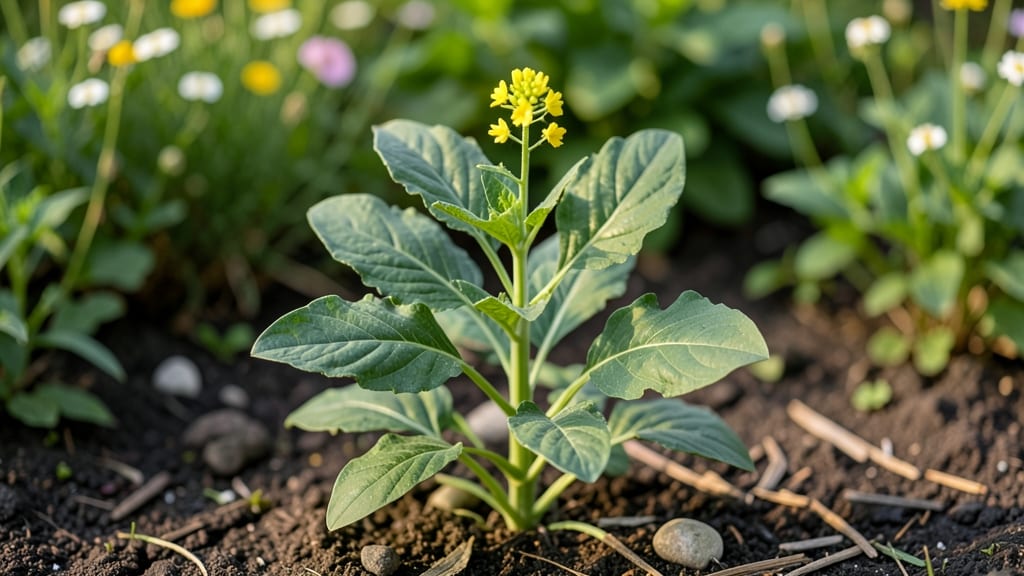
Growing mustard from seed to twist-free pods is simpler than you think—especially when you avoid the common mistakes that turn your harvest into tangled messes. 🌱 I’ve grown mustard for years, and the secret lies in the right soil prep, spacing, and timing, which keeps those pods straight and storage-ready all year.
The payoff? Crisp, flavorful greens and seeds that stay viable for months without the frustrating spiral you get from overcrowded plants.
Start with well-draining soil and a sunny spot—mustard thrives in cool weather but bolts fast in heat. Plant seeds ¼ inch deep, about 1 inch apart, and thin to 6-12 inches once sprouts appear.
Water gently to avoid disturbing seedlings, and watch for those first true leaves—they’re your cue to start monitoring growth closely. Leaf mustard varieties like ‘Tendergreen’ mature in 30-40 days, while pod types like ‘Southern Giant Curled’ take 50-60 days to produce straight, harvestable pods.
Here’s where most gardeners go wrong: letting plants get too crowded or skipping the thinning step. Twisted pods happen when branches compete for space, so prune side shoots early to encourage strong, upright growth.
Harvest pods when they’re plump but still firm, then dry them in a warm, dark place for 1-2 weeks before storing. The result? Seeds that stay fresh for months, ready to replant whenever you’re craving that sharp, peppery kick.
This method works for both leaf and pod varieties, and it’s perfect for small spaces or containers. Whether you’re growing mustard for greens, seeds, or even as a cover crop, the key is patience and proper spacing.
Once you master it, you’ll never buy store-bought seeds again—and your neighbors might start asking for cuttings!
📚 In This Guide
- What you need
- Instructions
- Tips and common mistakes
- Wrapping up and next steps
What you need
- ● Mustard seeds: 1–2 lbs (organic, non-GMO preferred for best viability).
- ● Biodegradable seed pods: 10–20 units (1–2 oz capacity each, made from untreated paper or compostable materials).
- ● Twist-free sealing mechanism: 1 pack of eco-friendly twist ties or reusable silicone seals (ensure they’re moisture-resistant).
- ● Drying agent: 1 cup of silica gel packets (food-grade, non-toxic) or uncooked rice (for natural absorption).
- ● Labeling supplies: Waterproof labels + permanent marker (to track seed variety and harvest date).
- ● Storage containers: Airtight, opaque bins (5–10 quart size) with tight-sealing lids.
- ● Scissors or craft knife: For opening pods (sharp, clean edges).
- ○ Fine-mesh strainer: To sift seeds (optional but handy for removing debris).
- ● Digital scale: For precise seed measurements (0.1 oz increments).
- ○ Humidity monitor: Optional but ideal (aim for <40% RH during storage).
- ● Vacuum sealer + bags (for ultra-long-term storage).
- ● UV-protective cloth or blackout liner (to shield seeds from light).
- ● Seed viability test kit (to check germination rates annually).
- ● Notebook for tracking storage conditions (temperature, humidity, date sealed).
Step-by-Step guide to growing mustard plants for storage-ready pods
Here’s how to cultivate mustard plants that produce straight, twist-free pods perfect for drying and storing.
🌱 Step 1: Start Seeds Indoors for Early Growth
Mustard seeds germinate best in warm soil, so begin indoors 6-8 weeks before your last frost date. Fill seed trays with sterile seed-starting mix and plant seeds ¼ inch deep, spacing them 1 inch apart in rows. Keep the soil consistently moist but not soggy—water gently with a spray bottle to avoid displacing seeds.
Place the trays in a warm location (70-75°F) with bright, indirect light. A seedling heat mat speeds germination, which typically occurs in 5-10 days. Once seedlings emerge, move them to a south-facing window or under grow lights for 12-14 hours daily. Thin to the strongest seedling per cell to avoid overcrowding.
☀️ Step 2: Transplant Outdoors After True Leaves Form
When seedlings develop 2-3 sets of true leaves (not just the initial cotyledons), harden them off by placing them outdoors in partial shade for 1-2 hours daily, gradually increasing exposure over 7-10 days. Transplant into the garden after the last frost when soil temperatures reach at least 50°F. Space plants 12-18 inches apart in rows 18 inches apart for airflow.
Mustard thrives in full sun to partial shade and well-draining soil with a pH of 6.0-7.5. Amend heavy clay soil with compost to improve drainage—mustard pods twist when plants struggle with excess moisture. Water deeply at the base once weekly, allowing the top 1-2 inches of soil to dry between waterings to prevent disease.
🌿 Step 3: Monitor Growth for Straight Pod Development
Mustard plants bolt quickly, so focus on even watering and consistent sunlight to encourage upright growth. Side-dress with balanced fertilizer (10-10-10) when plants reach 6 inches tall to support pod development. Watch for yellowing lower leaves—this is normal as the plant matures, but remove them to redirect energy to the pods.
Pods form 4-6 weeks after transplanting. To prevent twisting, avoid overwatering as pods mature—dry conditions yield straighter stems. Harvest pods when they turn light brown and begin to dry naturally on the plant. Twist pods gently to detach them; if they resist, use clean scissors to cut stems cleanly.
⏰ Step 4: Dry and Store Pods for Year-Round Use
Spread harvested pods on a screen or mesh tray in a well-ventilated, dry location (ideally 60-70°F) for 2-3 weeks until completely dry and brittle. Test by crushing a pod—if it shatters easily, it’s ready for storage. Store dried pods in airtight containers away from light and moisture to preserve viability for up to 1 year. Label containers with the harvest date for tracking.
For fresh use, pods can be used immediately in cooking, but dried pods are ideal for year-round storage. If you notice any pods developing black spots or mold, remove them immediately to prevent spoilage. Mustard seeds from dried pods retain flavor and germination potential for 2-3 years when stored properly.
Tips & tricks for perfect mustard pod growth
Growing mustard plants with straight, twist-free pods takes patience—but these insights will help you avoid common pitfalls and maximize your harvest.
Seedling Heat Control: The 70-75°F range for germination is critical, but don't let the soil get any warmer than 80°F. I've seen seeds fail to sprout when soil temperatures creep above this threshold due to overzealous heat mats. If your home gets hotter than 75°F, move trays to a cooler spot or use a thermostat-controlled heat mat.
Harden Off Gradually: During the 7-10 day hardening process in Step 2, I recommend increasing exposure time by just 30 minutes each day rather than doubling it. Mustard seedlings are sensitive to sudden temperature shifts, and abrupt changes can cause stress that leads to stunted growth or even death. Watch for slight wilting—they should recover within hours.
Pod Maturity Test: When pods turn light brown in Step 3, perform this quick test: gently twist a pod while it's still on the plant. If it detaches easily with a satisfying "pop," it's ready for harvest. If it resists, wait another 24 hours. This method beats guessing and prevents harvesting too early or too late.
Storage Environment: For the 2-3 week drying period in Step 4, humidity control matters more than temperature. I've found that a small fan circulating air around the drying pods prevents mold better than any temperature adjustment. Place a dehumidifier nearby if your climate tends to be damp—aim for 40-50% humidity for optimal drying conditions.
Pro Tips for Mustard Seed Grown Up
- Growing mustard plants with straight, twist-free pods takes patience—but these insights will help you avoid common pitfalls and maximize your harvest.
- Seedling Heat Control: The 70-75°F range for germination is critical, but don't let the soil get any warmer than 80°F.
- Harden Off Gradually: During the 7-10 day hardening process in Step 2, I recommend increasing exposure time by just 30 minutes each day rather than doubling it.
Frequently asked questions
Got questions about growing mustard seeds into twist-free pods for year-round storage? You're not alone! Here are some of the most common queries—and their answers—to help you get started with confidence.
How long does it take for mustard seeds to grow into twist-free pods?
Mustard seeds typically take 60–90 days to mature into pods after planting, depending on your climate and variety. In cooler regions, expect a slightly longer timeline (closer to 90 days), while warmer areas may see faster growth. Harvest pods when they’re fully yellow and dry to prevent twisting—usually about 2–3 weeks before they naturally split open.
Can I speed up the growth process for faster harvest?
While you can’t drastically shorten the timeline, you can optimize conditions for quicker growth:
- Use fast-maturing varieties like ‘Broadleaf’ or ‘Southern Giant Curled.’
- Plant in well-draining, nutrient-rich soil with a pH of 6.0–7.5.
- Provide full sun (6+ hours/day) and consistent moisture.
- Avoid overcrowding—space seeds 12–18 inches apart for airflow.
With ideal care, you might shave off 1–2 weeks from the growth cycle!
What’s the best way to store twist-free mustard pods for long-term use?
To preserve pods for year-round use, follow these steps:
- Let pods fully dry in a dark, well-ventilated space (hang them in small bunches or lay them flat).
- Once brittle, remove seeds and store them in airtight containers (glass jars or Mylar bags) with a desiccant packet.
- Keep containers in a cool, dark place (like a pantry) to maintain freshness for 6–12 months.
Pro tip: Label containers with the harvest date to track freshness!
What should I do if my mustard pods twist or crack before harvest?
Twisting or cracking is usually a sign of overmaturity, uneven watering, or poor airflow. Try these fixes:
- Harvest early—pick pods when they’re still slightly green and dry them indoors.
- Ensure consistent moisture (avoid drought stress or soggy soil).
- Thin plants if overcrowded to improve airflow.
- Use cage supports (like tomato cages) for taller varieties to prevent wind damage.
If pods already twisted, remove seeds manually and store them—they’ll still be viable!
Are there alternative mustard varieties that resist twisting better?
Yes! Some varieties are naturally less prone to twisting and better suited for storage:
- ‘Southern Giant Curled’ – Large, sturdy pods that dry well.
- ‘Broadleaf Mustard’ – Compact and resistant to cracking.
- ‘Drumhead Mustard’ – Flat, round pods that hold seeds tightly.
- ‘Tendergreen’ – A hybrid with improved pod integrity.
Check with local seed suppliers for region-specific recommendations!
Wrapping up and next steps
Growing mustard seeds into twist-free pods isn’t just a gardening hack—it’s a game-changer for year-round storage and sustainable lawn care. 🌱 By mastering this technique, you’ll unlock fresh, viable seeds whenever you need them, reducing waste and boosting your garden’s resilience.
Whether you’re a seasoned gardener or just starting, this method proves that small steps yield big rewards!
Ready to take the next step? Start small—plant a few pods this season, experiment with storage conditions, and watch your mustard seed game grow up!
Share your progress with fellow gardeners or explore other twist-free seed-saving techniques to expand your green thumb skills. Your future harvests will thank you! 🌟