
Lawn
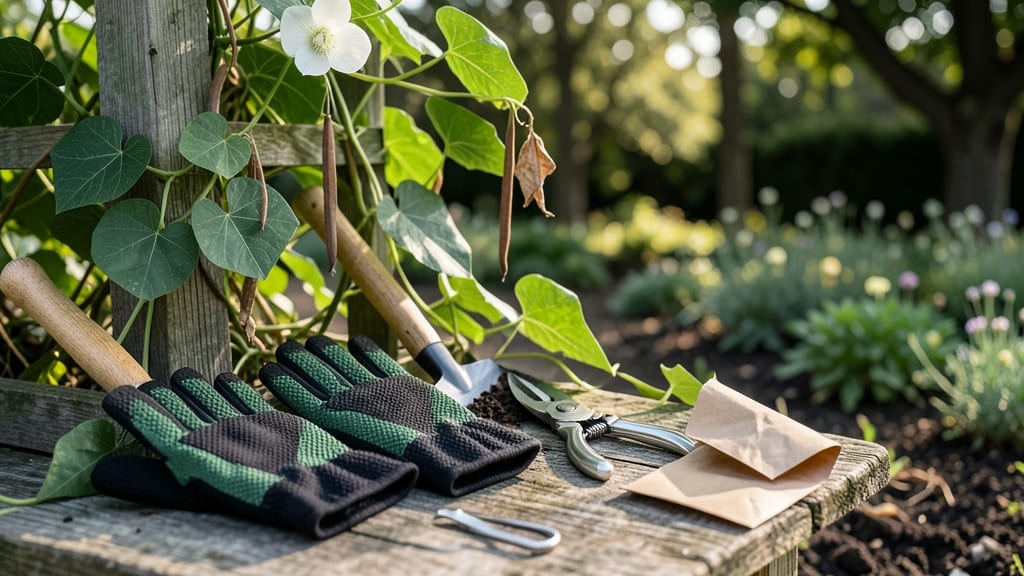
Harvesting moonflower seed pods without the frustrating twist fight is easier than you think. 🌿 I’ve wrestled with these slippery pods for years—until I discovered the simple trick that makes extraction a breeze, even for beginners. The key? Timing and a little patience, not brute force.
Moonflowers ripen their pods in late summer, when the vines turn crispy and the pods swell to about 2 inches long. You’ll know they’re ready when they feel firm but slightly soft, like overripe peaches.
The pods open at dawn, releasing seeds—so harvest them the night before for the easiest collection.
With just a pair of gloves and a bucket, you’ll extract dozens of seeds in minutes. Store them in a paper bag until planting, and you’ll have a fresh batch of moonflowers blooming by next summer.
The vines grow fast, but the seeds are worth the effort—just imagine those dramatic, moonlit blooms again.
Works for both garden beds and containers, and the seeds stay viable for years. Here’s how to avoid the common mistakes that turn this into a messy chore—and why this method actually saves time in the long run.
📚 In This Guide
- What you need
- Instructions
- Tips and common mistakes
- Wrapping up and next steps
What you need
- ● Moonflower seed pods: Fully mature, dried pods (typically brown and papery). Aim for at least 10–15 pods for a good yield.
- ● Pruning shears or sharp scissors: 1 pair with clean, sharp blades (sterilize with rubbing alcohol if reusing).
- ○ Gloves (optional but recommended): Lightweight gardening gloves to protect hands from thorns or rough stems.
- ● Large paper bag or breathable fabric sack: 1–2 bags (10–15 gallon capacity) to collect pods and prevent moisture buildup.
- ● Small bowl or tray: For sorting seeds once pods are open.
- ● Rubbing alcohol (70% or higher): 1 small bottle for sterilizing tools between cuts.
- ● Labeling tags or masking tape: To mark harvested pods if storing for later use.
- ● Magnifying glass: For inspecting pods for pests or damage.
- ● Seed-saving envelope: 1–2 envelopes with silica packets to preserve viability.
- ● Twine or burlap sack: For hanging dried pods in a well-ventilated area.
- ● Hand lens or loupe: If you’re curious about seed details!
How to harvest moonflower seed pods without the twist struggle
Moonflowers are one of summer’s most dramatic blooms—but saving their seeds doesn’t have to be a fight. Here’s my foolproof method for stress-free harvesting.
🌱 Step 1: Wait for the Right Moment
Harvest moonflower seed pods when the flowers have fully bloomed at night, then wilted by morning. This usually happens 7-10 days after opening, when the petals turn brown and start curling back. The pods will feel slightly leathery but still soft—never wait until they turn hard and papery, or the seeds inside will be nonviable.
I know it’s tempting to grab pods early, but immature seeds won’t store well. Check pods daily in the late afternoon. A ripe pod will split open naturally along one seam, revealing the flat, brown seeds inside. If you see this, harvest immediately—those seeds won’t last more than a day or two before scattering.
🌿 Step 2: Gently Twist and Remove the Pods
Moonflower vines are delicate, so avoid yanking pods off. Instead, grasp the base of the pod with your thumb and forefinger and twist gently in a slow, steady motion. You’ll feel resistance at first, then a slight give as the stem separates. If the pod doesn’t come free, it’s not ready—leave it for another day.
Here’s the thing—don’t tug upward. That’s how you snap the vine and create weak growth points. Instead, twist parallel to the vine while supporting the stem with your other hand. Place harvested pods in a paper bag (not plastic) to catch any seeds that might drop prematurely.
✂️ Step 3: Extract and Dry the Seeds
Once you’ve collected all the ripe pods, lay them on a clean, dry towel in a well-ventilated area. Open each pod carefully with your fingers—never cut them open, as this risks damaging the seeds. You’ll see flat, dark brown seeds inside, each about ½ inch long. Let them air-dry for 3-5 days in a warm, dry spot (around 70-75°F).
Stir the seeds gently once a day to prevent mold. They’re ready when they’re completely dry and brittle—you should hear a faint crackling sound when you rub them between your fingers. Store them in a paper envelope in a cool, dark place for up to 3 years.
🪴 Step 4: Clean Up the Vines (Optional but Helpful)
After harvesting, you can either let the vines die back naturally or give them a light pruning to encourage a second flush of blooms. If you’re in a warm climate, trim the vines back by ⅓ and fertilize lightly. This won’t guarantee more flowers, but it often surprises me with a few late-season blooms.
If you’re in a cooler zone, let the vines go dormant naturally. The next year, they’ll likely resprout from the roots, giving you an early start. I’ve had moonflowers come back for 3-4 years with minimal care—just don’t over-prune, or you’ll weaken the plant.
⏰ Step 5: Store Seeds Properly for Next Year
Label your seed envelope with the harvest year and variety (if known). Moonflower seeds are non-fussy about storage, but keeping them dry and cool is key. I store mine in a ziplock bag with a silica packet inside a larger envelope for extra protection against moisture.
Test a few seeds before planting the next year by pressing them into moist potting mix and covering lightly. They should sprout in 7-14 days if stored correctly. If they don’t, don’t panic—just try a few more. Moonflowers are resilient, and even "old" seeds often still germinate.
Tips & tricks for perfect moonflower seed harvesting
Here's what nobody tells you about harvesting moonflower seeds without the frustration.
Timing is Everything: Those 7-10 days after blooming are critical. I learned this the hard way after harvesting too early and ending up with seeds that wouldn't germinate. Check pods daily in the late afternoon when they're most likely to split naturally. The moment you see that seam opening, grab them immediately—those seeds won't wait long before scattering.
Gentle Hands Save the Day: Moonflower vines are delicate, so twisting parallel to the vine (not upward) makes all the difference. I used to snap stems by pulling too hard, but now I support the vine with my other hand while twisting. This simple technique preserves the plant's health and prevents weak growth points. Place those pods in a paper bag right away—plastic traps moisture and can cause mold.
Drying Secrets: The 3-5 day drying period at 70-75°F is non-negotiable for viable seeds. I stir them gently once daily to prevent mold, and I always use a clean, dry towel—not newspaper or anything that might introduce contaminants. When they're completely dry and brittle (you should hear that faint crackling), they're ready for storage. Pro tip: Test a few seeds by pressing them into moist potting mix—they should sprout in 7-14 days if stored correctly.
Climate Considerations: Warm climates can handle that optional light pruning after harvest, but in cooler zones, let vines go dormant naturally. I've seen moonflowers resprout for 3-4 years with minimal care—just avoid over-pruning. If you do trim, never cut more than ⅓ of the vine, or you'll weaken the plant for next season's blooms.
Pro Tips for Moonflower Seed Pods
- Here's what nobody tells you about harvesting moonflower seeds without the frustration.
- Timing is Everything: Those 7-10 days after blooming are critical.
- Gentle Hands Save the Day: Moonflower vines are delicate, so twisting parallel to the vine (not upward) makes all the difference.
Frequently asked questions
Got questions about harvesting moonflower seed pods? You’re not alone! Here are some of the most common concerns—and their simple solutions—so you can collect those pods like a pro.
When is the best time to harvest moonflower seed pods?
Harvest moonflower seed pods when they turn tan or brown and begin to split open slightly—usually late summer to early fall (August–October, depending on your climate). Wait too long, and the seeds may scatter on their own! Morning harvests work best when pods are dry.
Why are my moonflower pods staying closed or not opening?
Pods may stay closed if they’re too wet or immature. Try gently squeezing them between your fingers to encourage opening, or place them in a paper bag for 1–2 days to dry. If pods are still stubborn, they might need more sunlight or warmer temps to mature.
Can I harvest moonflower seed pods if they’re still green?
Nope! Green pods contain immature, non-viable seeds. Wait until they’re dry and papery (like crinkled brown paper). Harvesting too early can lead to moldy seeds or poor germination. Patience pays off—think of it as nature’s slow-cooked recipe!
What’s the easiest way to store moonflower seeds after harvesting?
Store seeds in a cool, dry place (like a sealed envelope or jar) in a dark cupboard for up to 2 years. Avoid plastic bags—they trap moisture. Label your stash with the harvest date for freshness tracking! Pro tip: Add a damp paper towel in the jar to maintain humidity if storing long-term.
What if I can’t find moonflower seed pods in my garden?
No pods? Check if your moonflowers (Ipomoea alba) are female plants—only females produce seed pods. If you’re unsure, try planting more varieties or check for pests or disease (like powdery mildew) that might stunt flowering. Deadheading spent blooms can also encourage more pods to form!
Wrapping up and next steps
Harvesting moonflower seed pods doesn’t have to be a tangled mess—with the right tools and techniques, you can collect them easily and even enjoy the rewards of these unique plants!
Whether you’re saving seeds for next season or simply admiring their beauty, a little patience and preparation go a long way. 🌙✨
Now that you’re armed with expert tips, why not take the next step? Try experimenting with drying methods or sharing your harvest with fellow gardening enthusiasts. Happy harvesting—and may your moonflowers bloom brighter than ever next year! 🌱💚