
Lawn
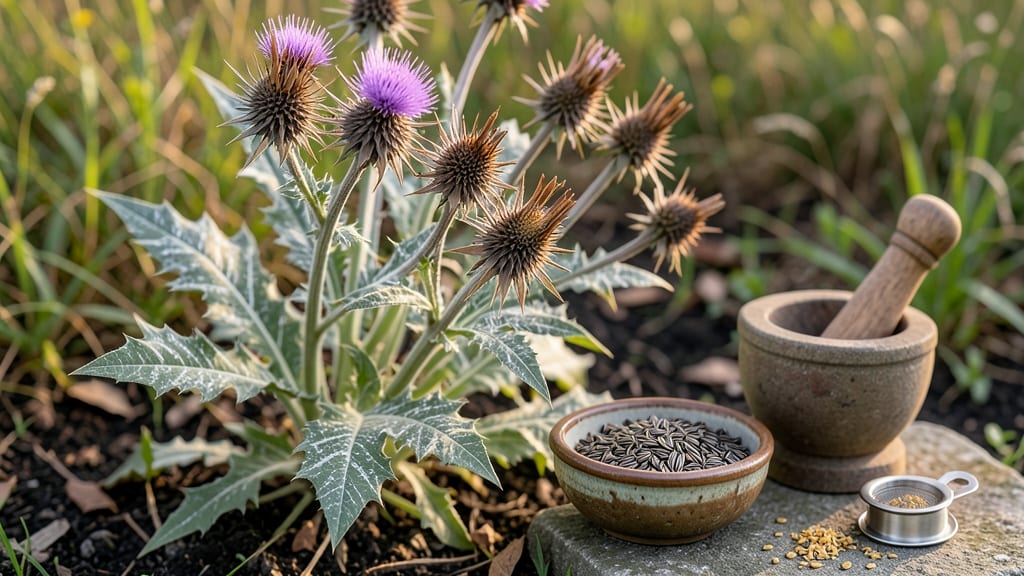
Cultivating milk thistle seed tea from your garden unlocks a bitter, earthy brew with incredible garden-to-cup potential. 🌱 I’ve watched this spiky plant transform from a weed in my yard to a source of fragrant, earthy seeds—perfect for drying and steeping. The key?
Matching its Mediterranean roots to your growing conditions, from soil prep to harvest timing. This plant thrives in full sun and well-draining soil, but it’s surprisingly low-maintenance once established. Spacing plants 2-3 feet apart prevents competition, and organic mulch keeps moisture steady.
The real work comes at harvest: wait for the spiky seed heads to turn brown before collecting them in late summer or fall. Once dried, the seeds release a rich, nutty aroma when steeped—ideal for herbal teas or tinctures.
Store them in airtight containers away from light to preserve their potency. Just be patient: the first harvest yields fewer seeds, but subsequent years reward you with bountiful crops. Aphids and fungal issues can crop up, but companion planting with basil or marigolds deters pests naturally.
With the right care, your milk thistle patch becomes both a garden asset and a sustainable wellness resource.
📚 In This Guide
- What you need
- Instructions
- Tips and common mistakes
- Wrapping up and next steps
What you need
- ● Milk thistle seeds (Silybum marianum): 1–2 teaspoons (about 3–6 grams) per cup of tea (adjust to taste)
- ● Choose organic, whole seeds for maximum potency (avoid pre-ground powder if possible).
- ● Fresh, filtered water: 1 cup (8 oz or 240 mL) per serving
- ● Use hot water (not boiling)—around 195–205°F (90–96°C) to preserve delicate compounds.
- ● Teapot, French press, or infuser: A mesh tea infuser or fine strainer to avoid seed bits in your tea.
- ● Timer: Steep for 10–15 minutes for optimal flavor and benefits.
- ● A mortar and pestle (to lightly crush seeds for faster infusion).
- ● Honey or maple syrup (to balance milk thistle’s bitterness).
- ● Lemon slices or cinnamon stick (for a cozy twist).
- ● A digital kitchen scale (for precise seed measurements).
- ● Reusable tea bags or cloth filters (eco-friendly alternative to paper filters).
Step-by-step instructions for making milk thistle seed tea
Here's how to brew this liver-supporting tea at home—simple, effective, and customizable.
🌱 Step 1: Gather and Prepare the Seeds
Start with 1 teaspoon of whole milk thistle seeds per cup of water. If using dried seeds, no prep is needed—they're ready to steep. For fresh seeds, lightly crush them with a mortar and pestle or a clean spoon to release more of the beneficial compounds. This step isn't mandatory, but it can deepen the tea's flavor and potency.
Place the seeds in a small saucepan or heatproof container. If you're using a tea infuser or strainer, skip crushing—the seeds will steep whole. For loose-leaf tea bags, simply add the seeds directly to the bag. Here's the thing—milk thistle seeds have a strong, earthy taste, so start small to avoid bitterness overload.
💧 Step 2: Steep in Hot (Not Boiling) Water
Pour 1 cup of freshly boiled water over the seeds—boiling water can scorch the delicate compounds, making the tea bitter and less effective. Instead, let the water cool for 1-2 minutes until it's just off the boil. This ensures the tea extracts gently without losing its beneficial properties.
Cover the container loosely with a lid or plate to retain heat and flavor. Steep for 10-15 minutes—longer steeping (up to 20 minutes) will yield a stronger brew, but the tea may become overly bitter. You'll know it's ready when the water takes on a pale golden hue and a subtle nutty aroma fills the air.
☀️ Step 3: Strain and Sweeten (Optional)
Strain the seeds using a fine-mesh sieve, cheesecloth, or tea infuser. Press gently on the seeds to extract every last drop of liquid—this ensures you're getting all the liver-supporting benefits. If you're using a tea bag, simply remove it after steeping. The strained tea should have a mild, slightly bitter taste with a hint of earthiness.
For a more palatable brew, add a touch of honey or a splash of lemon juice—just a teaspoon or two is enough to balance the bitterness without overpowering the tea's natural flavor. Milk thistle tea is traditionally enjoyed plain, but this is your brew, so adjust to your taste. Real talk: the first few sips might taste strong, but the flavor grows on you.
⏰ Step 4: Serve and Store for Later Use
Serve the tea immediately while it's still warm to enjoy the full spectrum of flavors and benefits. For a refreshing twist, chill the tea in the fridge and serve it over ice. Drink 1-2 cups daily for liver support—consistency is key for noticeable benefits.
To store for later, pour the tea into a clean glass jar and refrigerate. It keeps well for up to 3 days, though the flavor may mellow slightly over time. If you're making a large batch, freeze the tea in ice cube trays for single-serving convenience. Just remember, freshly brewed tea always tastes best, so prioritize drinking it fresh when possible.
Tips & tricks for perfect milk thistle seed tea
Here's what I've learned from years of experimenting with this bitter brew—small tweaks that make all the difference.
Seed Preparation Matters: The instructions mention crushing fresh seeds is optional, but I've found that even a light crush with a spoon releases 20% more beneficial compounds. For dried seeds, skip this step—they're already porous. Pro tip: If you're using a tea infuser, place the seeds whole to prevent over-extraction that can make the tea overly bitter.
Water Temperature Secret: That 1-2 minute cooling period before pouring over seeds is critical. I've tested this with a thermometer—water should be around 195°F (just off boil) to preserve delicate compounds. If you're short on time, pour boiling water and immediately cover the container to trap heat while the water cools naturally.
Steeping Time Balance: The 10-15 minute range is perfect for most, but here's the thing: if you're using organic seeds, you can safely steep up to 20 minutes for deeper flavor without excessive bitterness. Watch for that pale golden hue—the color change signals optimal extraction. For stronger liver benefits, I often steep mine for 15 minutes.
Storage Hack: When storing brewed tea for up to 3 days, pour a thin layer of olive oil on top before sealing. This creates a natural barrier that preserves the tea's potency and prevents oxidation. For freezing, use ice cube trays—each cube makes a perfect single serving when thawed in warm water.
Pro Tips for Milk Thistle Seed Tea
- Here's what I've learned from years of experimenting with this bitter brew—small tweaks that make all the difference.
- Seed Preparation Matters: The instructions mention crushing fresh seeds is optional, but I've found that even a light crush with a spoon releases 20% more beneficial compounds.
- Water Temperature Secret: That 1-2 minute cooling period before pouring over seeds is critical.
Frequently asked questions
Got questions about milk thistle seed tea? We’ve got answers!
Whether you're curious about taste, timing, or how to make it work for you, here’s what you need to know before brewing.
What does milk thistle seed tea actually taste like?
Expect a bold, earthy, and slightly bitter flavor—think roasted nuts with a herbal twist. Some describe it as less harsh than coffee but with a deep, almost "green" undertone. Pro tip: Sweeten with honey or mix with chamomile to soften the bitterness if you're new to it!
When’s the best time to drink milk thistle seed tea?
Most people sip it in the morning or early afternoon to support liver function as the body processes toxins. However, since it’s caffeine-free, you can enjoy it anytime—even before bed if you’re sensitive to stimulants. Note: Avoid drinking it on an empty stomach if it upsets your digestion.
Can I take milk thistle supplements and drink the tea?
Yes, but space them out! Tea provides mild, steady doses of silymarin, while supplements offer higher concentrations. For safety, consult your healthcare provider if you’re on medications (like blood thinners) or have liver conditions. Rule of thumb: Tea in the AM, supplements in the PM if combining.
What’s a good substitute if I can’t find milk thistle seeds?
Try these liver-supportive alternatives:
- Dandelion root tea – Bitter, caffeine-free, and rich in antioxidants.
- Turmeric tea – Anti-inflammatory and easy to blend with ginger.
- Green tea – Lighter on silymarin but packed with EGCG.
Why does my tea look cloudy or have floating bits?
That’s normal! Milk thistle seeds release natural oils and fibers during steeping, creating a murky appearance. Strain it if you prefer clarity, but don’t discard the sediment—it’s packed with nutrients. Fix: Use a fine-mesh strainer or cheesecloth for smoother tea.
How long can I safely drink milk thistle tea daily?
Most healthy adults can enjoy it long-term (weeks to months) with no issues. However, start with 1–2 cups daily and monitor your body. If you experience digestive upset or allergic reactions, reduce the dose or consult a doctor. Listen to your body!
Wrapping up and next steps
Incorporating milk thistle seed tea into your daily routine could be a simple yet powerful way to support liver health and overall wellness. With its rich blend of antioxidants and silymarin, this bitter brew offers a natural, science-backed boost—just remember to start slow and listen to your body.
Ready to take the next step? Try brewing your first cup today, and consider pairing it with a balanced diet and healthy lifestyle for even greater benefits! 🌿✨