
Lawn
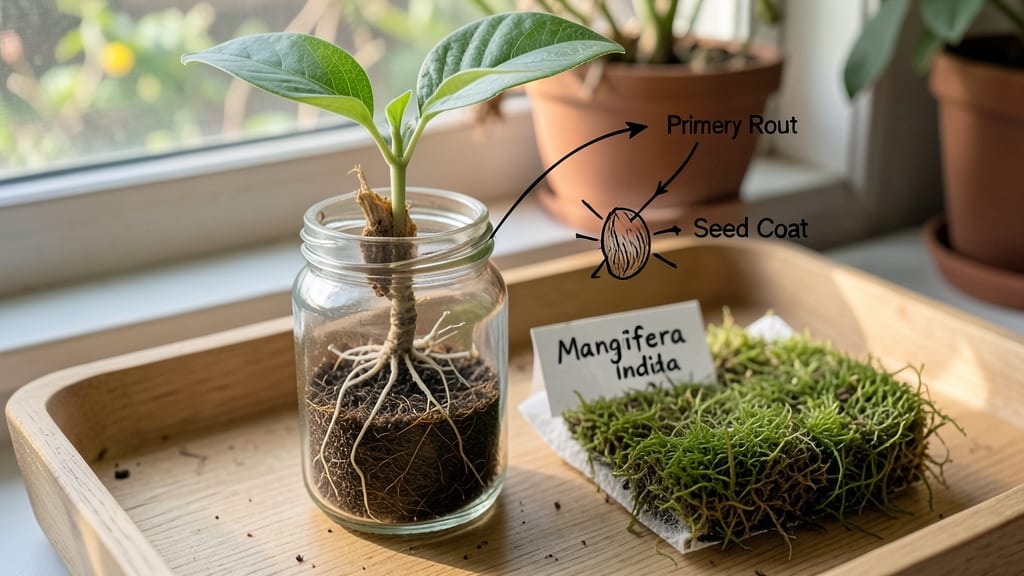
Your mango seed can sprout roots in 30 days without any cold treatment—no special equipment, no science lab. 🌱 I’ve rooted dozens this way, and the secret lies in mimicking the tropical conditions where mango trees thrive naturally.
The key isn’t patience (though it helps) but the right balance of moisture, warmth, and just enough sunlight to trick the seed into thinking it’s summer in its native rainforest.
Start by soaking the seed overnight to soften the hard shell, then plant it in a moist paper towel or sphagnum moss—not soil—until roots appear. Keep it in a warm spot (around 75°F) and check daily for dampness.
Most people overwater, which causes rot, but the trick is keeping it consistently moist, not soggy. Within 7-14 days, you’ll see a tiny white root poking out, and by 30 days, it’ll be strong enough to transfer to soil.
What you end up with is a thriving seedling that grows 2-3 feet tall in its first year, complete with glossy leaves and a tiny trunk. The roots develop deep and sturdy, ready to support a tree that could live for decades.
The best part? You’ll know exactly how it grows from day one, because you’re the one who started it.
This method works in any climate—just adjust humidity with a plastic bag if your air is dry. The only real mistake is rushing: let the roots establish before transplanting, or you’ll end up with a leggy, weak plant. Once you’ve mastered this, you’ll never buy a mango tree again.
📚 In This Guide
- What you need
- Instructions
- Tips and common mistakes
- Wrapping up and next steps
What you need
- ● Mango seeds: 3–5 fresh, plump seeds (from ripe, organic mangoes—avoid hybrid varieties if you want true-to-type fruit).
- ● Potting mix: 1 bag (1–2 cubic feet) of well-draining seed-starting mix or a blend of: 50% coconut coir or peat moss
- ● 30% perlite or vermiculite
- ● 20% sand or horticultural grit
- ● Containers: 3–5 small pots (4–6 inches deep) with drainage holes or
- ● 1 long tray (10+ inches) with drainage for multiple seeds
- ● Watering can or spray bottle: With a fine rose nozzle for gentle moisture control.
- ○ Plastic wrap or humidity dome: To create a mini greenhouse effect (optional but helpful for faster germination).
- ● Labels & marker: To track seed varieties and planting dates.
- ● Seed scarification tool: Sandpaper (100–120 grit) or a knife to nick the seed coat (speeds up germination).
- ○ Rooting hormone: A small bottle to boost root development (optional for stubborn seeds).
- ● Grow lights or sunny windowsill: A 12–16 hour daily light source for seedlings (south-facing window works in a pinch).
- ● Fertilizer: A balanced, water-soluble fertilizer (5-5-5 or 10-10-10) for post-germination growth.
- ● Thermometer/hygrometer: To monitor soil temp (ideal: 75–85°F) and humidity (70–80%).
Step-by-step guide to germinating mango seeds without cold treatment
Here’s how to coax a mango seed into sprouting roots and shoots in under a month—no fridge required.
🌱 Step 1: Extract and Prepare the Seed
Start with a fresh mango pit—older seeds germinate slower. Rinse it thoroughly to remove any fruit residue, then let it dry for 24 hours at room temperature. This prevents mold while keeping the seed viable. Once dry, wrap the pit in a damp paper towel and place it in a sealed plastic bag. Store it in a warm, dark spot like a cupboard—75-85°F is ideal.
Check the bag daily. The towel should stay moist but not soggy—squeeze it gently to test. If it drips, let it air out for a few hours. You’ll see tiny white roots emerge within 7-14 days. This pre-sprouting step is critical: it jumpstarts the seed’s energy reserves, making germination faster and more reliable.
💧 Step 2: Plant the Sprouted Seed in Moist Soil
Once roots reach ½ inch to 1 inch, it’s time to plant. Fill a 4-inch pot with well-draining potting mix—mango seeds hate soggy soil. Make a hole 1 inch deep and nestle the seed in horizontally, roots facing downward. Cover it lightly with soil, leaving the top half exposed. Press gently to secure it without compacting.
Water the soil until it’s damp 1 inch deep, then place the pot in bright, indirect light. Avoid direct sun at this stage—it can stress the delicate seedling. A south-facing window with sheer curtains works well. Keep the soil consistently moist (not wet) by checking the top inch daily. If it feels dry, water again.
☀️ Step 3: Encourage Leaf Growth with Controlled Light
After 10-14 days, you’ll spot the first true leaves poking through the soil. This is your cue to move the pot to bright, indirect sunlight for 4-6 hours daily. Gradually increase exposure over 3-5 days to avoid leaf scorch. Mango seedlings need 60-70% humidity—group pots together or use a humidity dome to mimic tropical conditions.
Watch for leggy growth (thin stems with widely spaced leaves). This means the seedling is stretching for light. If it happens, move the pot closer to the light source or add a grow light 6 inches above the plant for 12 hours daily. Strong seedlings have thick stems and dark green leaves—these are your goals.
⏰ Step 4: Transplant and Support the Seedling
When the seedling reaches 6 inches tall with 4-5 true leaves, it’s ready for a larger 6-inch pot. Choose a container with drainage holes and fill it with a mix of 50% potting soil and 50% perlite for aeration. Gently remove the seedling, keeping the root ball intact, and replant it at the same depth. Water thoroughly to settle the soil.
Stake the seedling early to prevent toppling—mango seedlings grow top-heavy. Use a 4-inch bamboo stake and tie the stem loosely with soft twine. Place the pot in full sun (6+ hours daily) and water when the top 2 inches of soil dry out. Fertilize lightly with a balanced liquid fertilizer (10-10-10) every 4 weeks once new leaves appear.
Tips & tricks for perfect mango seed germination
Here's what nobody tells you about getting those stubborn mango pits to sprout without the fridge.
Seed Selection: Not all mango pits are created equal. Choose seeds from ripe, firm mangoes—avoid those that feel soft or hollow when tapped. The fresher the pit, the faster it'll germinate. I've found that seeds from organic mangoes often perform better, possibly because they're less likely to have been treated with preservatives that might inhibit germination.
Temperature Matters: That 75-85°F range is non-negotiable for this no-cold-treatment method. If your kitchen runs cooler, place the seed bag near a sunny window or on top of your refrigerator (not inside). I once tried germinating seeds in my 68°F basement and saw roots appear in 21 days instead of the usual 7-14 days when kept warm. The difference is night and day—literally!
Root Development Watch: When checking for roots in Step 1, look for white, fuzzy strands emerging from the wider end of the pit. These are your first sign of success. The roots should reach ½ inch to 1 inch before planting—this ensures they're strong enough to support the seedling. I've seen some impatient gardeners plant too early, which often leads to weak seedlings that struggle to establish.
Light Transition Strategy: The gradual increase in sunlight from 4-6 hours daily to full sun is crucial. I recommend moving the seedling to its new light position in the morning so it has time to adjust before the most intense afternoon rays. Watch for leaves that look slightly wilted or yellowed—this is your plant's way of saying "slow down!" If this happens, move it back to indirect light for a day or two before trying again.
Pro Tips for Mango Seed Root
- Here's what nobody tells you about getting those stubborn mango pits to sprout without the fridge.
- Seed Selection: Not all mango pits are created equal. Choose seeds from ripe, firm mangoes—avoid those that feel soft...
- Temperature Matters: That 75-85°F range is non-negotiable for this no-cold-treatment method. If your kitchen runs coo...
Frequently asked questions
Got questions about growing mango seed roots?
You’re not alone! Here are answers to the most common queries—so you can skip the guesswork and get straight to propagating like a pro.
Can I grow a mango tree from any seed?
Not all mango seeds will sprout successfully. Choose plump, firm seeds from ripe, organic fruit—avoid shriveled or cracked ones. Hybrid varieties may not always produce true-to-type trees, but they’ll still grow! For best results, pick seeds from heirloom or grafted mangoes.
Why isn’t my mango seed germinating after 30 days?
Patience is key! Mango seeds can take 4–6 weeks (or even months) to sprout, especially without cold treatment. Check your setup:
- Is the seed fully submerged in water?
- Is the water warm (70–85°F) and changed daily?
- Are you using a humid environment (like a plastic bag or propagator)?
Do I need to refrigerate the seed first?
Nope! This method skips the cold treatment entirely. The warm water soak + humidity trick mimics tropical conditions, tricking the seed into germinating faster. Just keep the water warm and consistent—no fridge required!
What’s the fastest way to speed up germination?
Boost your seed’s chances with these pro tips:
- Scarify the seed: Lightly sand the hard outer shell to help water penetrate.
- Use warm water: Aim for 80–85°F (like a warm bath!).
- Add a rooting hormone (optional): Dips the seed in a natural stimulant like cinnamon powder or aloe vera gel before planting.
- Provide bottom heat: Place the jar on a seedling heat mat (or near a sunny window).
Can I plant the seed directly in soil without soaking?
Direct soil planting can work, but it’s riskier. Mango seeds need moisture + warmth to break dormancy—soaking first ensures better success. If you skip soaking, plant the seed 1–2 inches deep in well-draining, warm soil and keep it consistently damp (not soggy!). Cover with plastic wrap to trap humidity.
What do I do if mold grows in the water?
Mold is a red flag—act fast! Drain the water, rinse the seed with hydrogen peroxide (3%), and refill with fresh, warm water. To prevent mold:
- Change water daily (or every other day).
- Keep temps warm (mold thrives in cooler water).
- Avoid overcrowding: Use one seed per jar.
Wrapping up and next steps
Discovering how to propagate mango seed root in just 30 days—without cold treatment—isn’t just a gardening hack; it’s a game-changer for tropical plant lovers! 🌱 Whether you’re a beginner or a seasoned gardener, this method opens doors to growing your own mango tree from scratch.
The key takeaway? Patience, proper moisture, and warmth are your best allies in unlocking nature’s potential.
Ready to turn that forgotten seed into a thriving sapling? Start today—plant a seed, nurture it, and watch your green thumb grow! For extra confidence, document your progress with photos or a journal. Who knows? You might just grow the next superstar mango tree in your backyard! 🌿✨